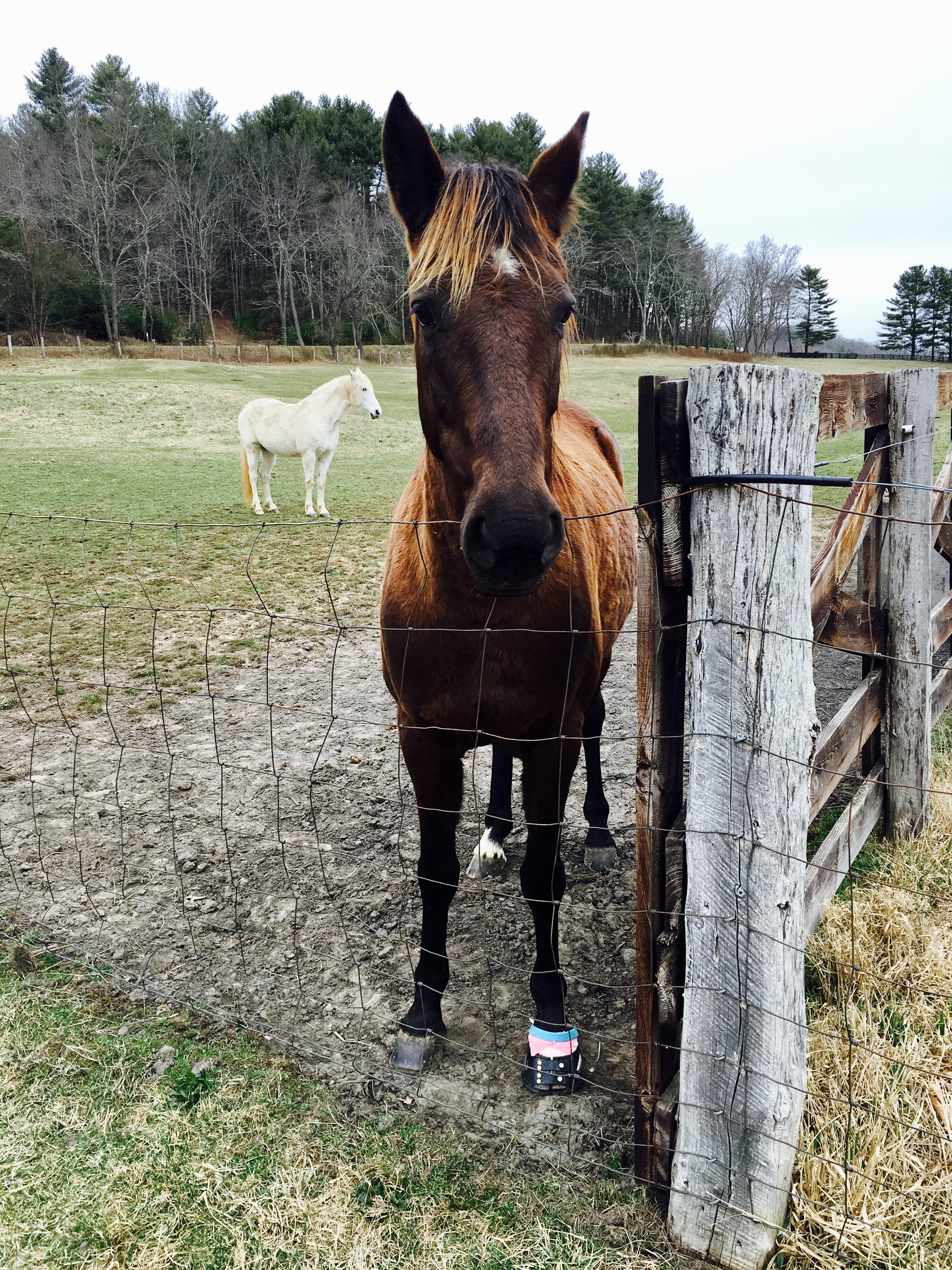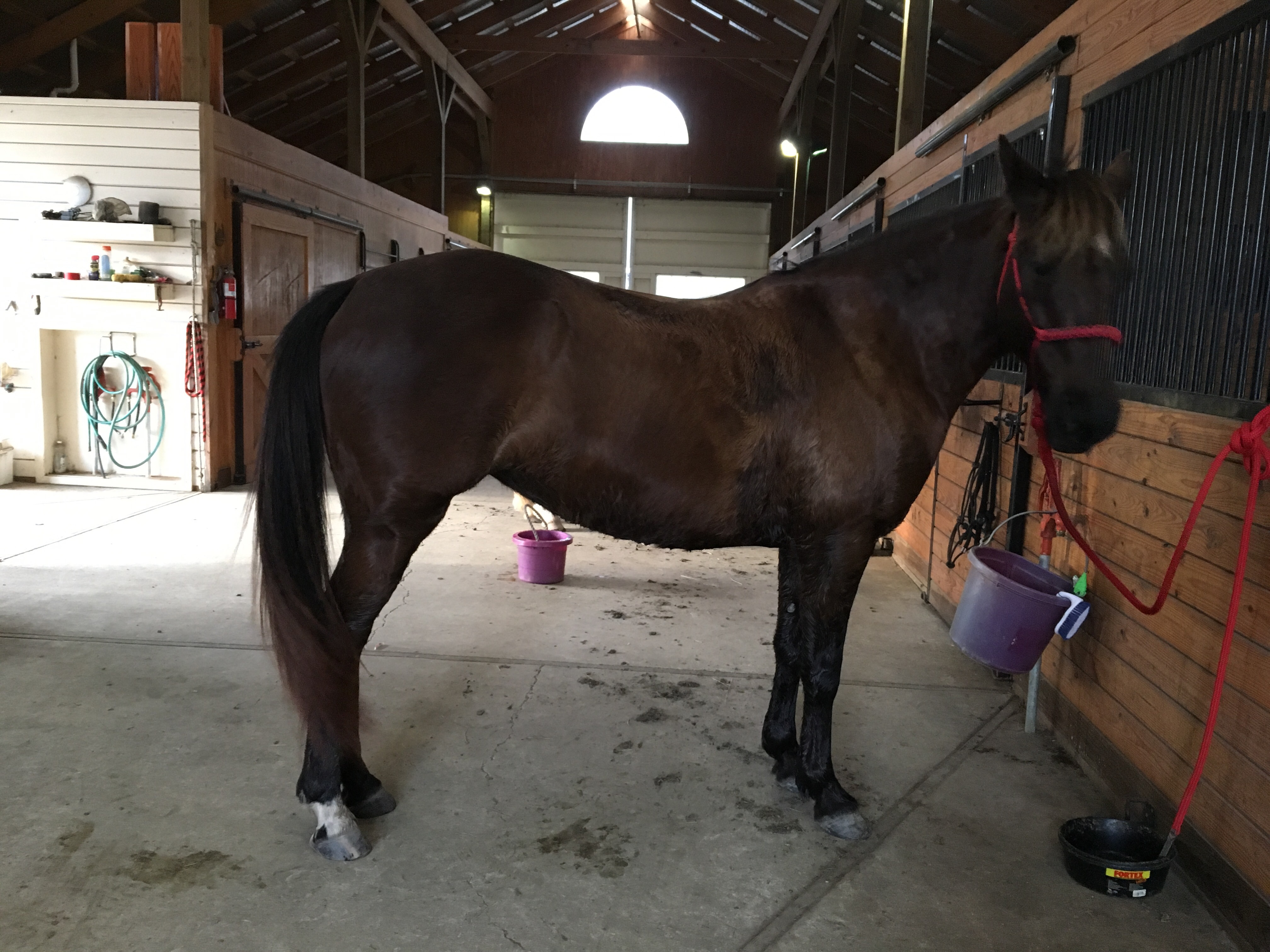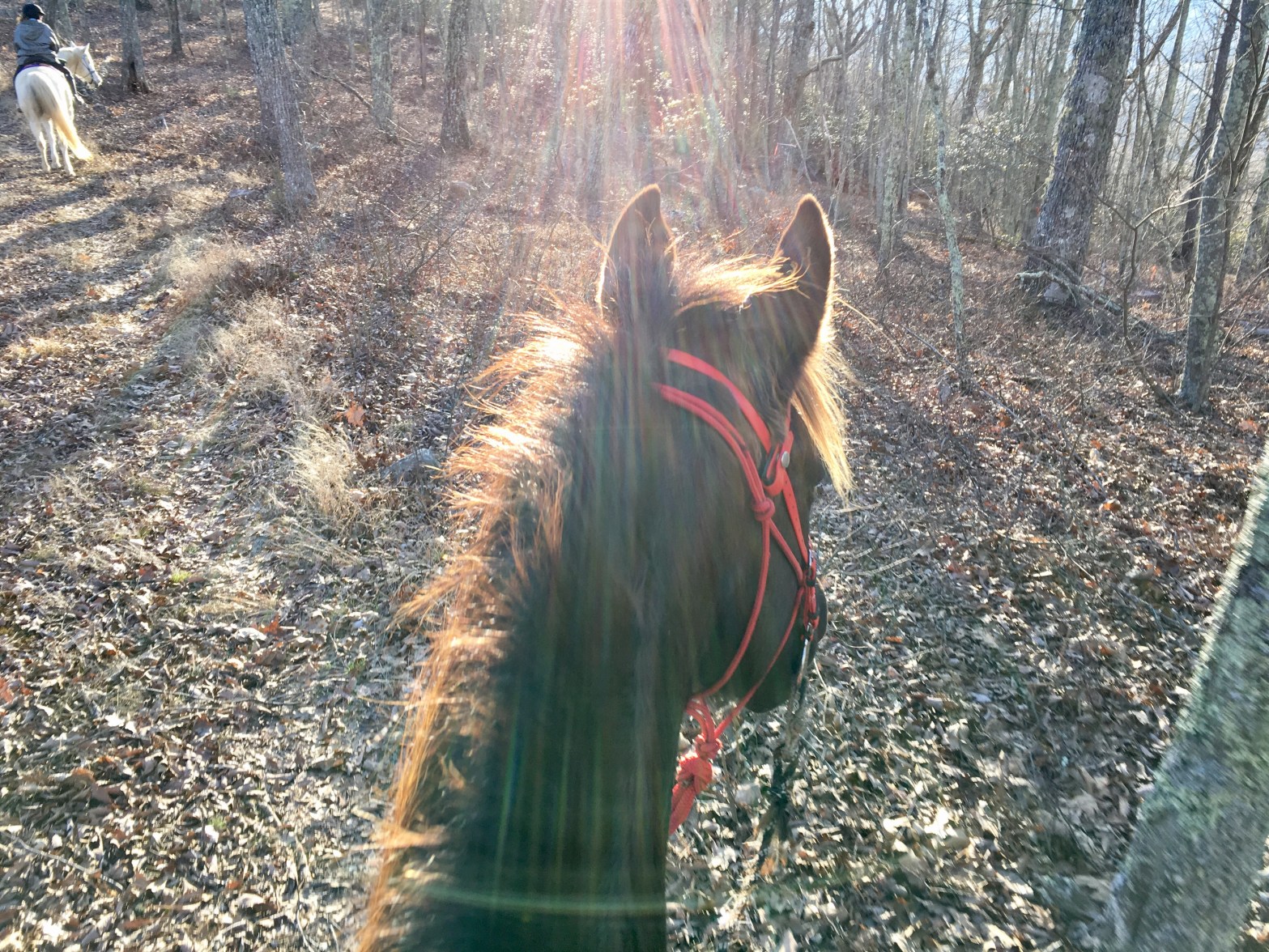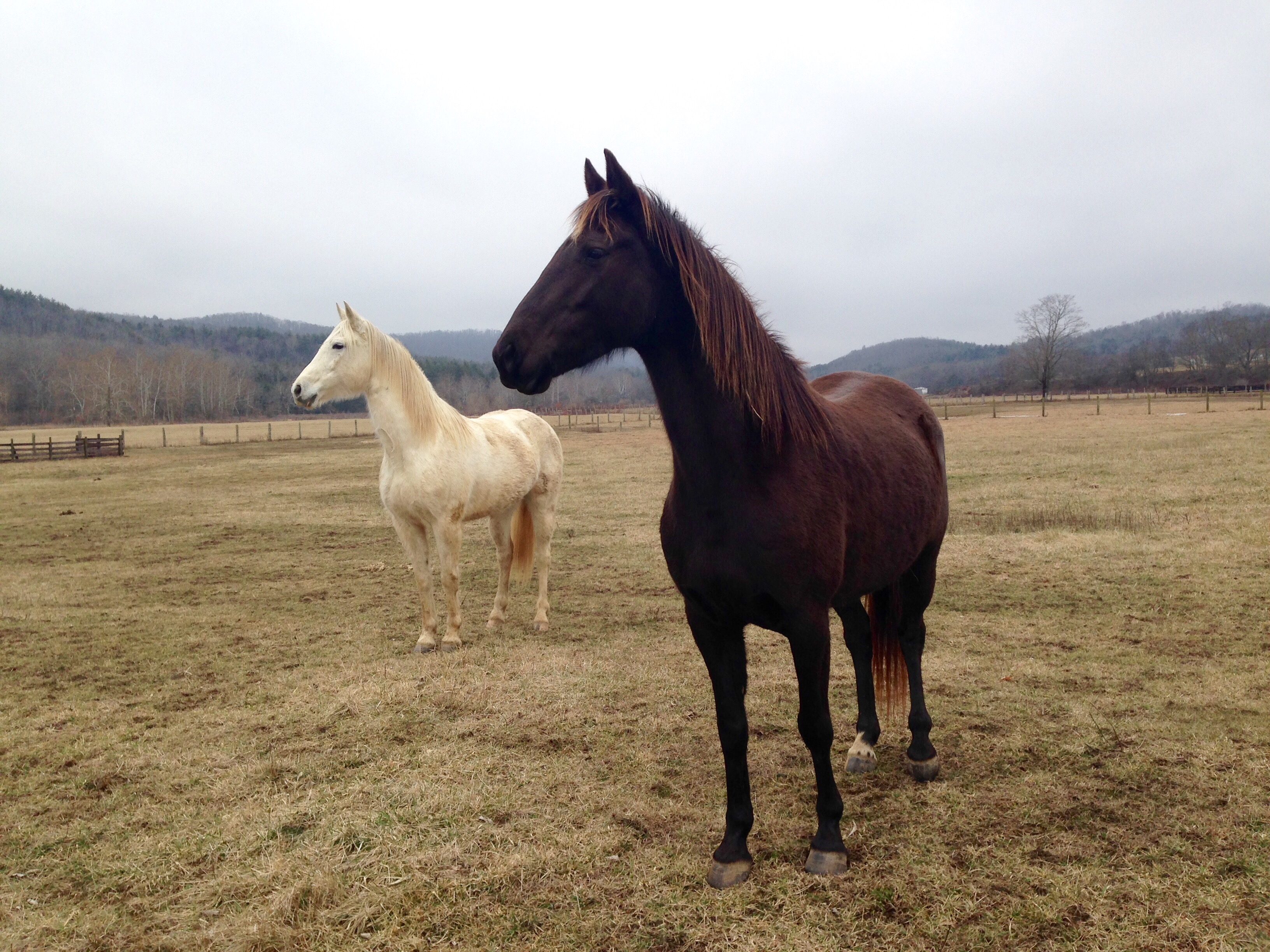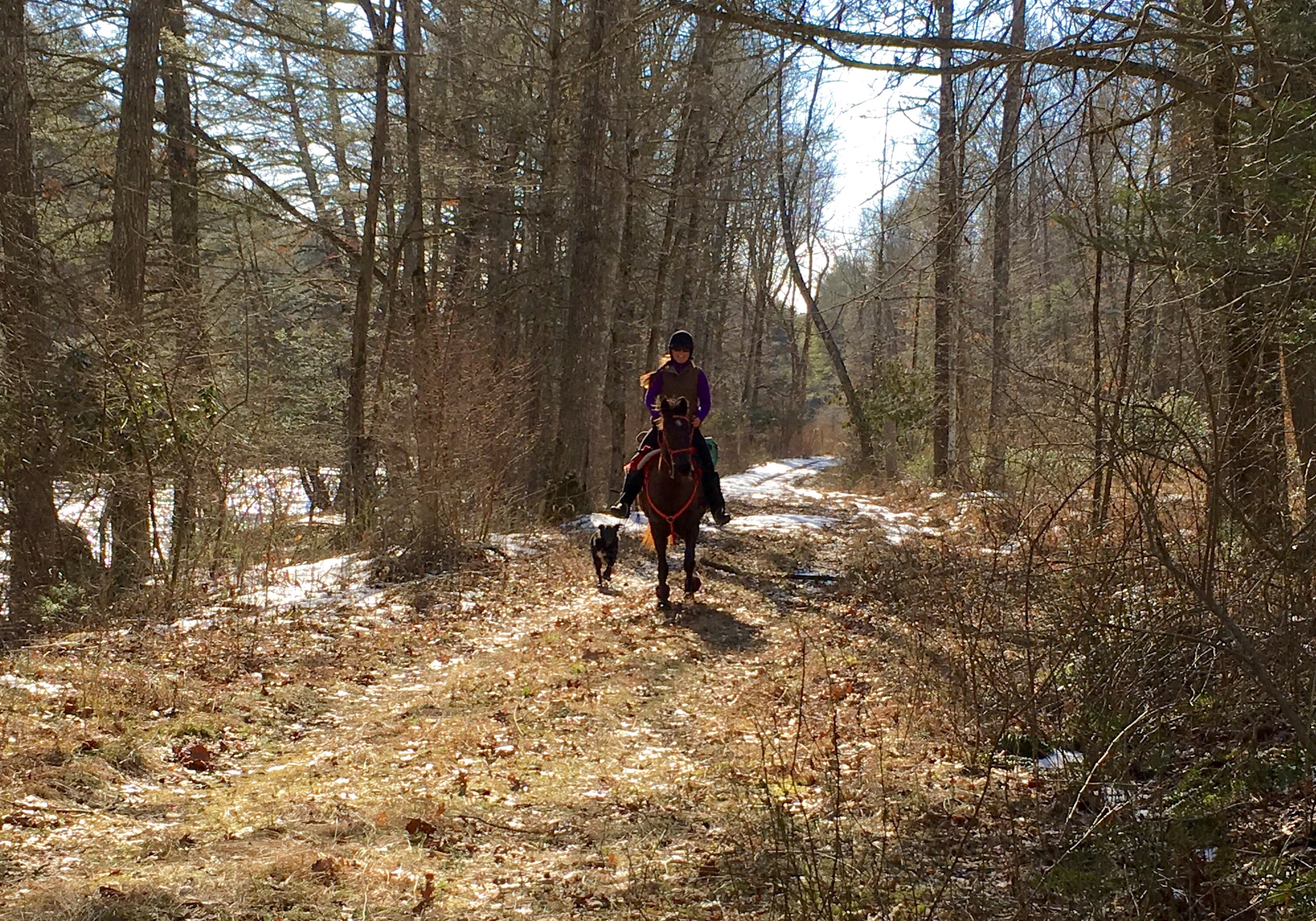
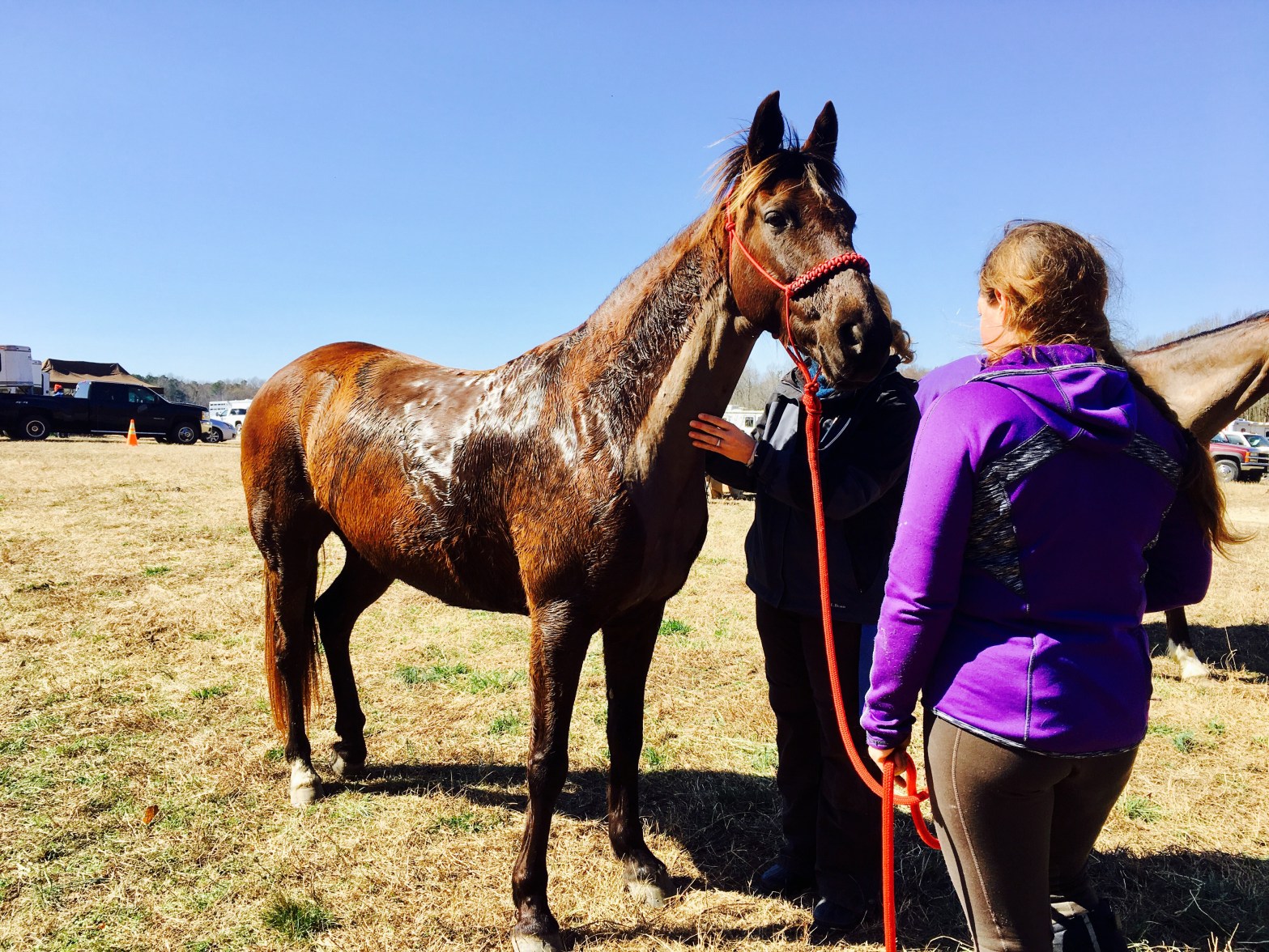
Blackwater Swamp Monster

Tuesday, March 7, 2017

I just don’t do early mornings well. 

Especially dark ride mornings that are 24 degrees after half freezing in the trailer even with a heater and having to get up to switch it on or off or change propane tanks. 

Tacked up by 6:30am… that’s the goal. Ride start at 7.

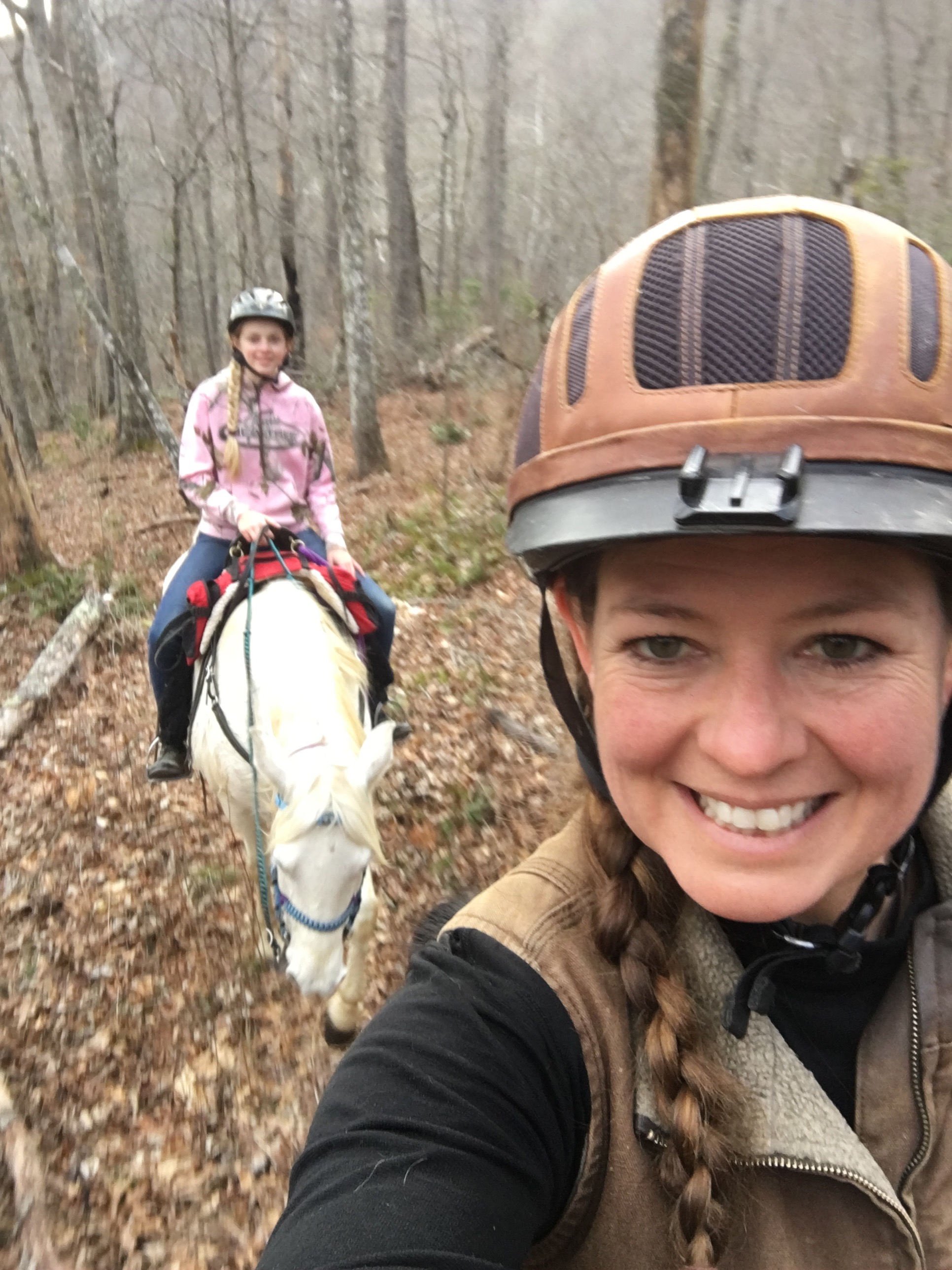
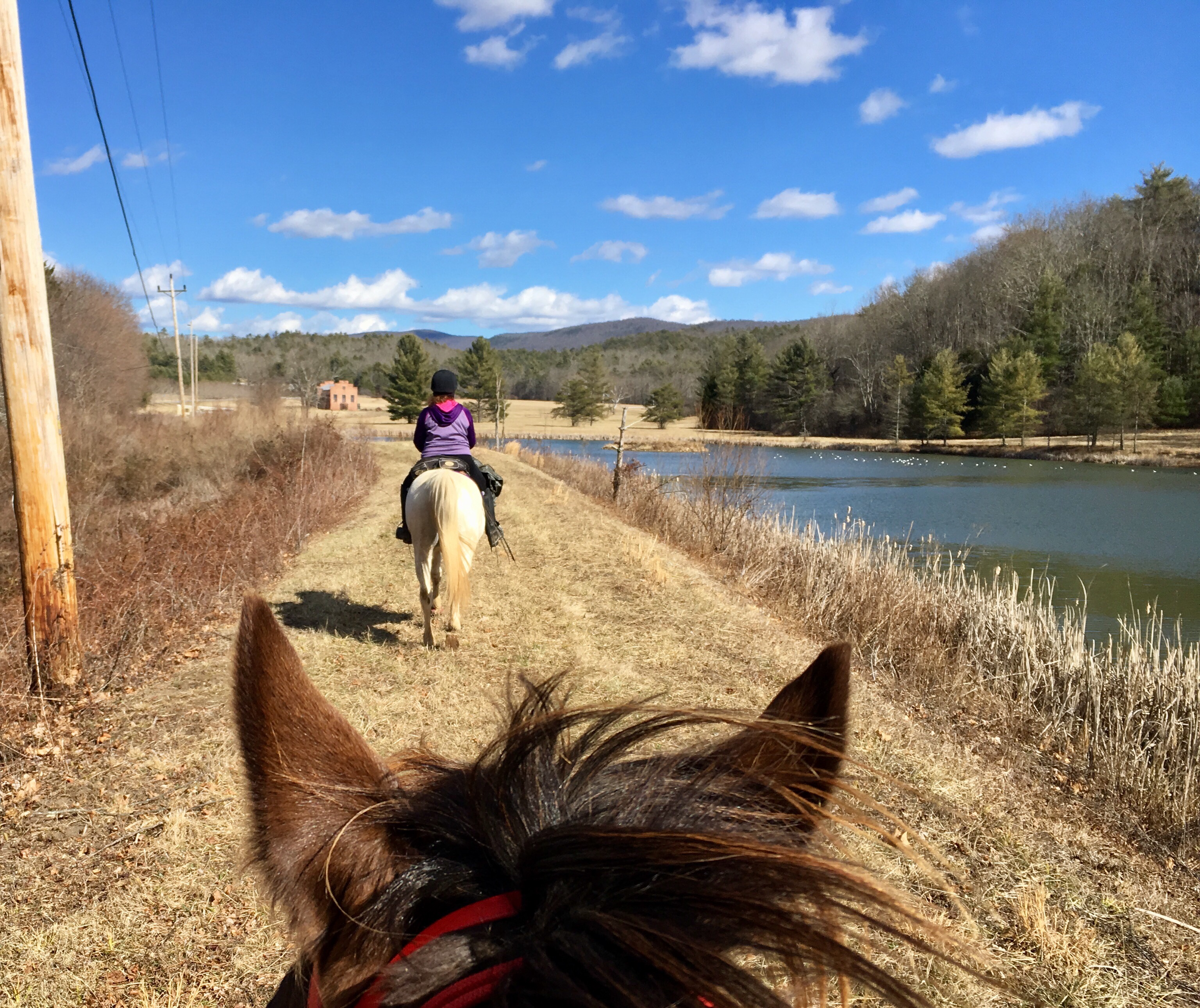
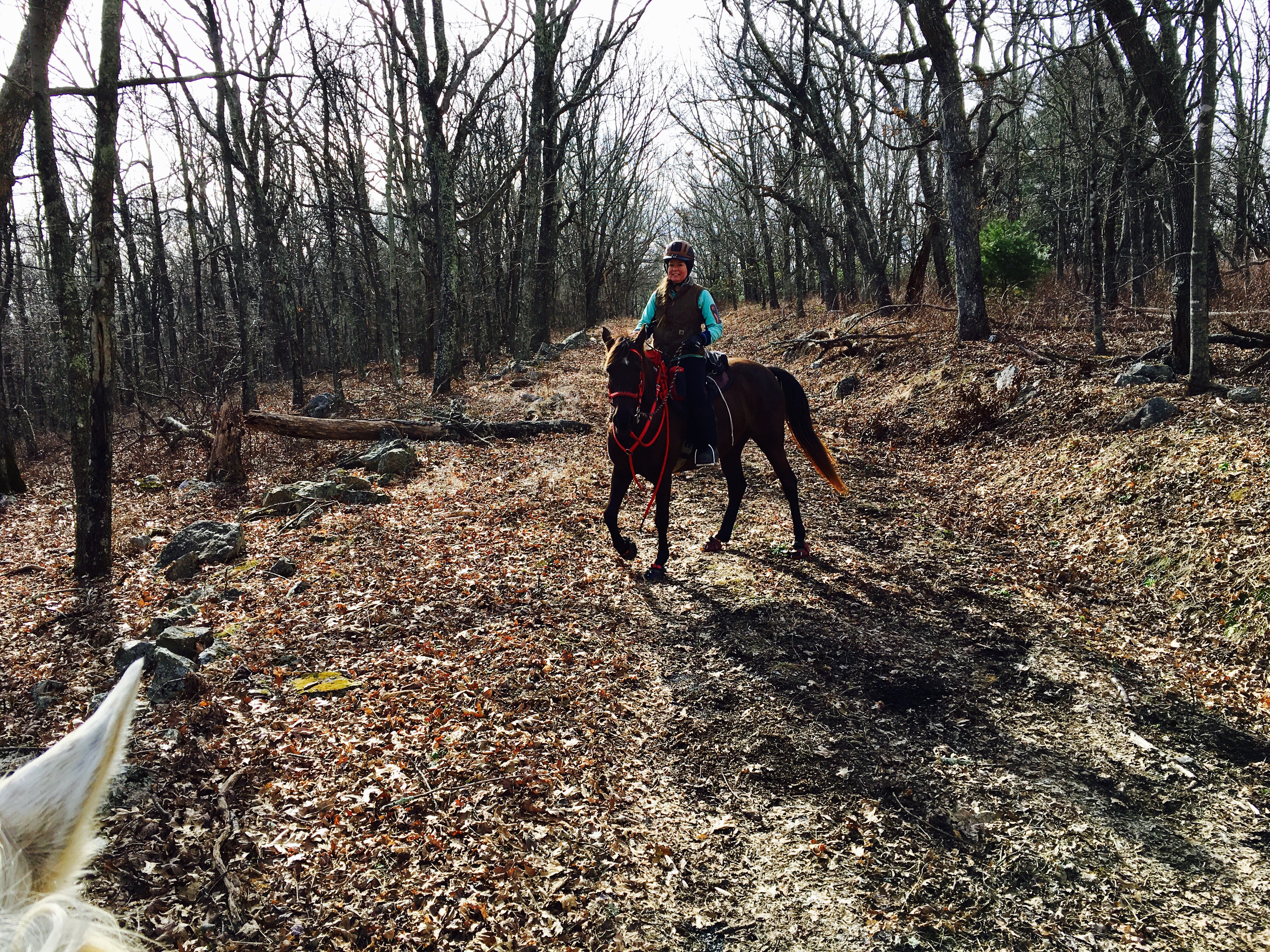
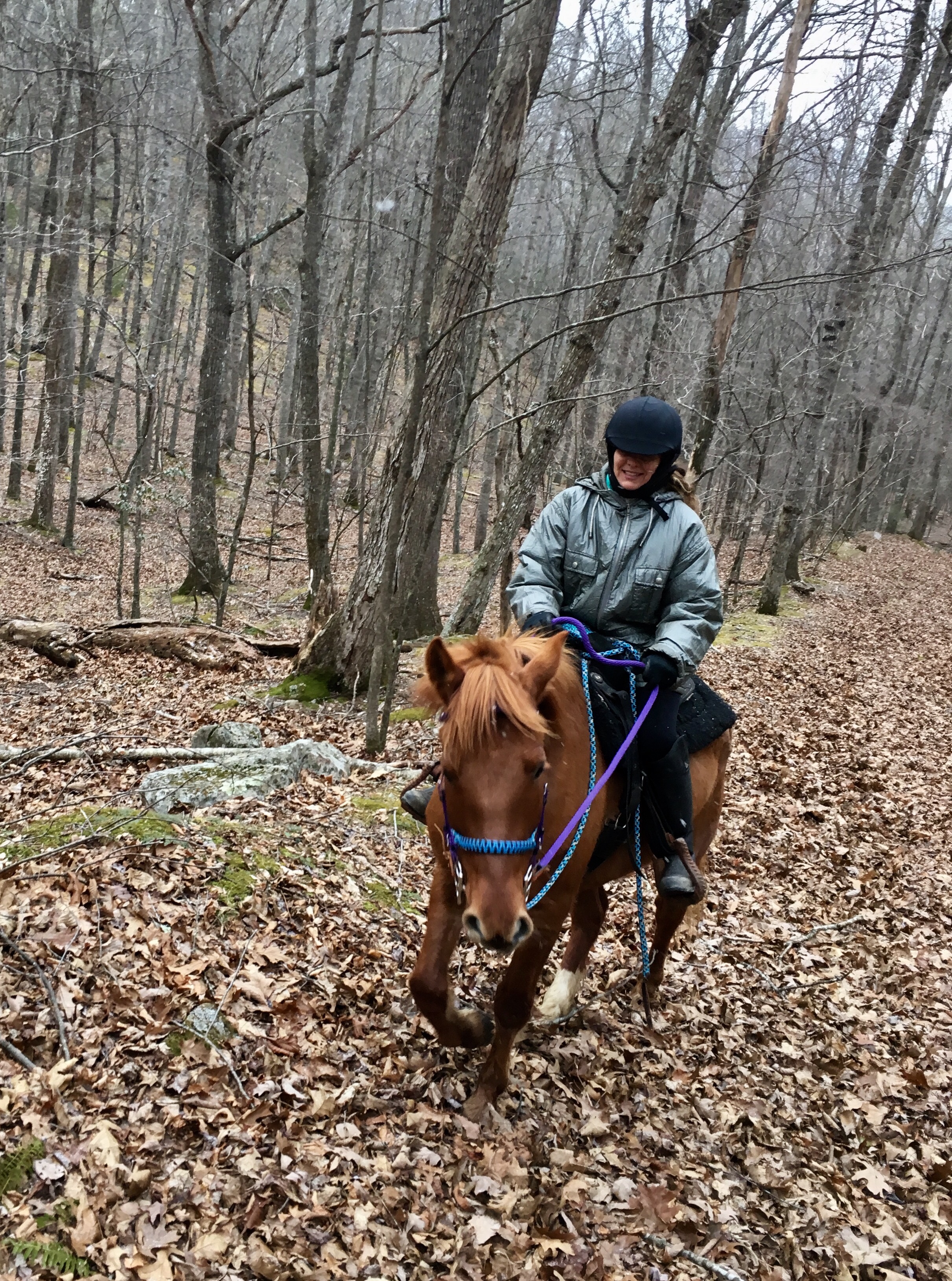
Photo credit: Gayle Driver

I’m usually sending someone to check in for me and barely at the start in time and half the time have forgotten something important but not vital by the time trails open. 

Sunday I had Iva… she does do mornings, and she does cold weather. She was perfect!


I was tacked up by about 6:40 and we hand walked together to check in, start warming up the beast and last potty stop for me before mounting up. 

It was cold for a ride start for us and at the ride meeting our head vet warned that we should take getting some good warm up time in very seriously. 

Just as I handed the lead rope to Iva so I could hit the porta potty I hear

Loose horse!! Loose horses… watch out!

I switch gears as a small herd come thundering through and I turn back to grab Khaleesi back in case she forgets about Iva in the mele and poor thing who weighs about as much as a potato chip gets dragged or trampled!


K was affected by the stampede but not hard to regain control… loose horses collected and potty stop successful. 

Almost as exciting as the controlled field burn the previous evening that at one point had me wondering if we might need to pack up in a hurry… 


In the saddle at least 12 minutes to spare, nothing forgotten and doing some warm up walking around much before our usual. Maybe Iva is my good luck charm, or I’m getting better at this?

Photo credit Gayle Driver

Cold air and lots of adrenaline made for a mare paying minimal attention to me as we choose a route to walk and warm up. Already we had a few words over which way the horse herd was moving and which way I wanted to go… mixed in with her desire to eat up whatever was growing in the adjoining field. 
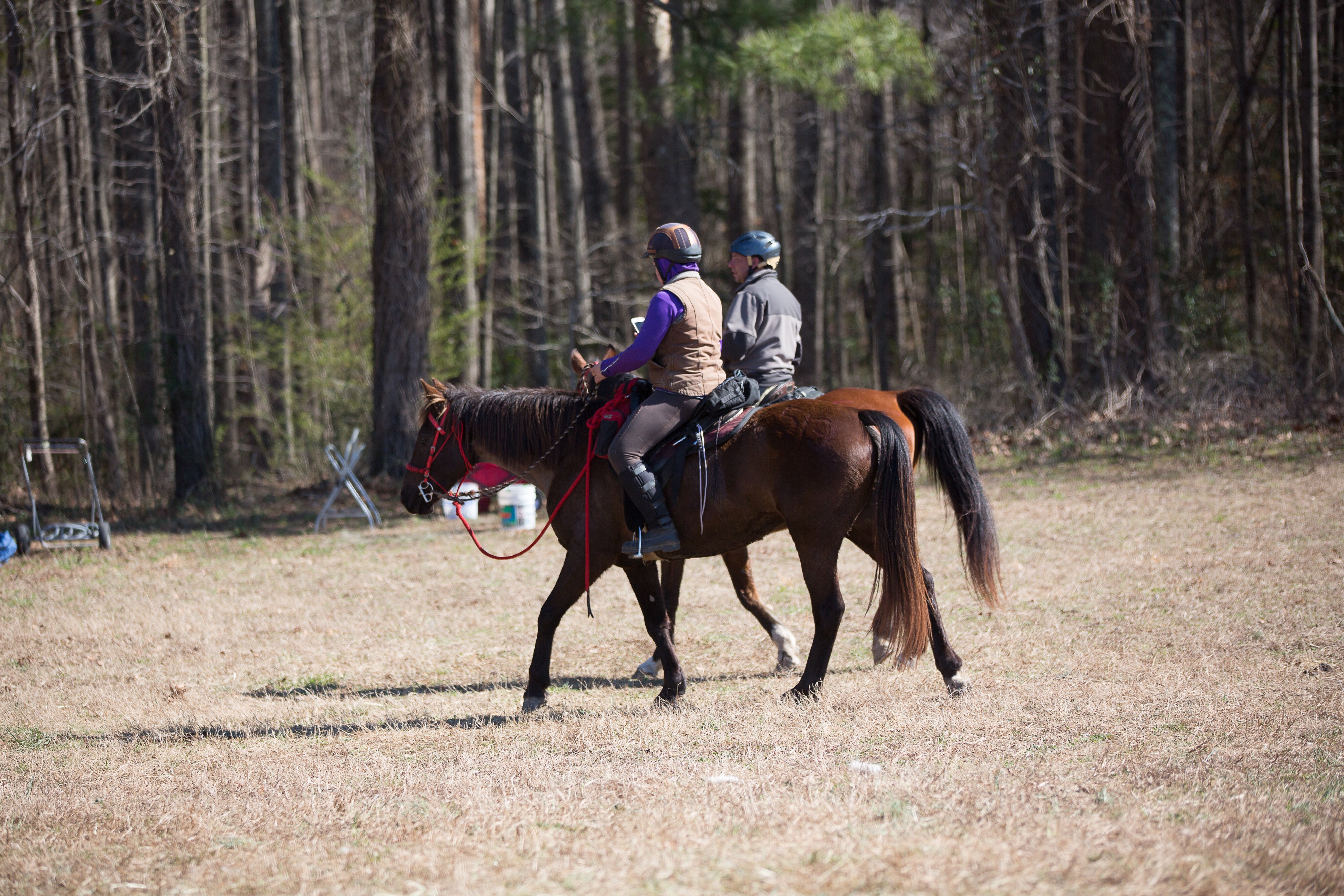
Warming up with Ricky and Ziggy: Photo credit Gayle Driver

Camp was small and I didn’t have a clear plan (that is always a hitch – if you don’t know where you’re going your horse probably realizes it). We were mostly circling around a small area and I happened to be right at the start at the sound of

Trails open!

The front of the herd began pouring out of camp in front of us. Usually I’m a little bit away from the front of the start – now all the excitement was right in front of us. 

So we made a circle around at least and then joined the party. 

Used to be she was nonplussed by the horses and their big hurry. People talked about their race brain horses and I would say oh, thankfully I don’t need to worry about that… if anything my girl is a little on the lazy side. 

Not today. 

I’ve created a monster!
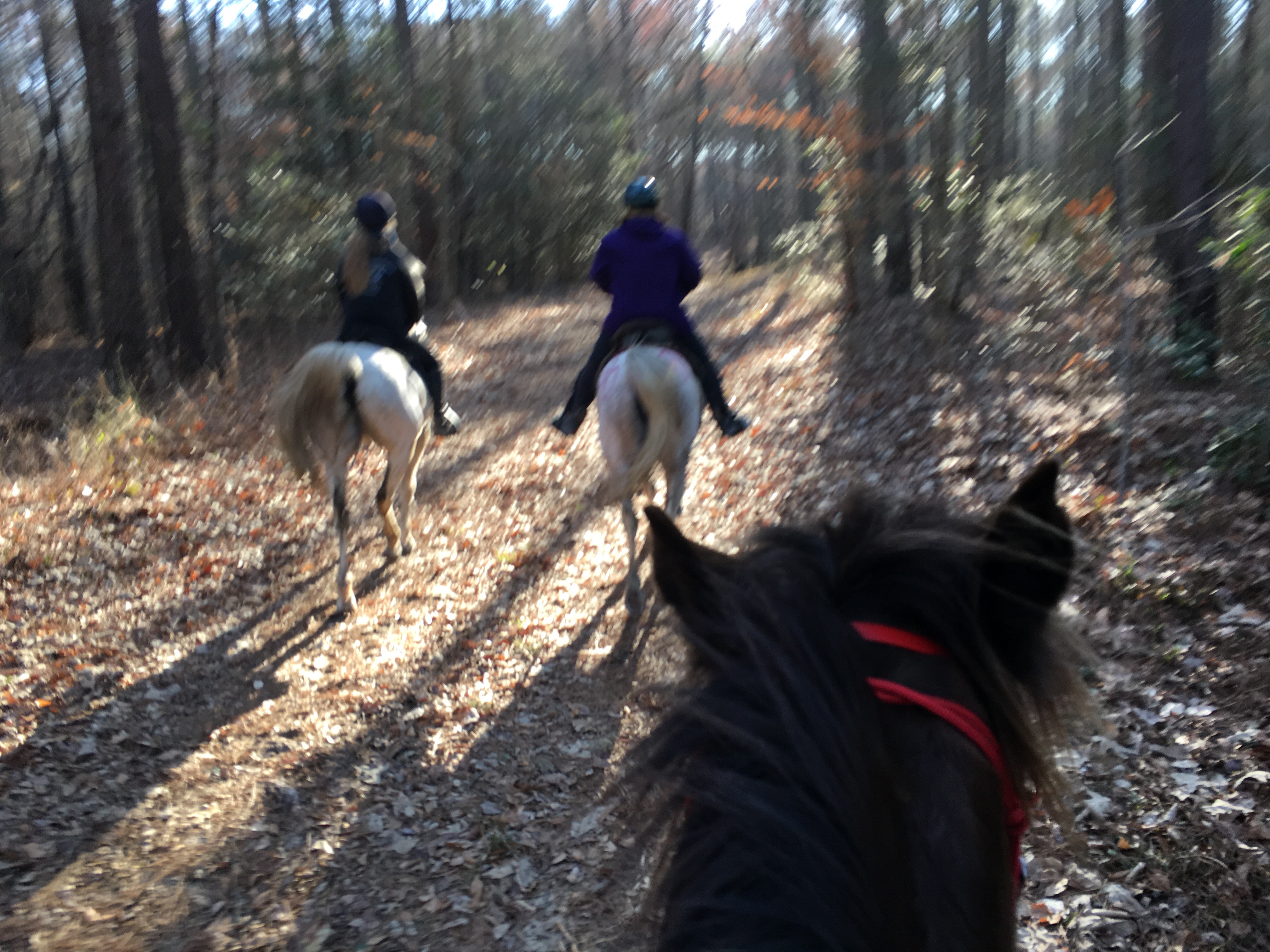

She was ready to go. It was the first time she was that strong headed and running through my hands. Part of me would have loved to just let her run. I wasn’t afraid of her or the speed in the group- but the responsible half won out. 

We have a perfect record of completing at this point. That cannot last forever. Things happen. If you’re going to ride, you’re going to get pulled at some point. Considering you were 3-legged lame less than two weeks ago, it’s very cold (muscles and tendons) AND have never ridden in sand (muscles and tendons!) AND can’t ride at high speeds on your normal training grounds (no idea how that will affect her) you’d better take this conservatively and err on the side of caution. 

So I pulled out occasionally and circled her… did a couple figure 8s and worked on getting her brain under control again. 

Blackwater Swamp Monster needs to use her powers for good today! We have a long road ahead. 
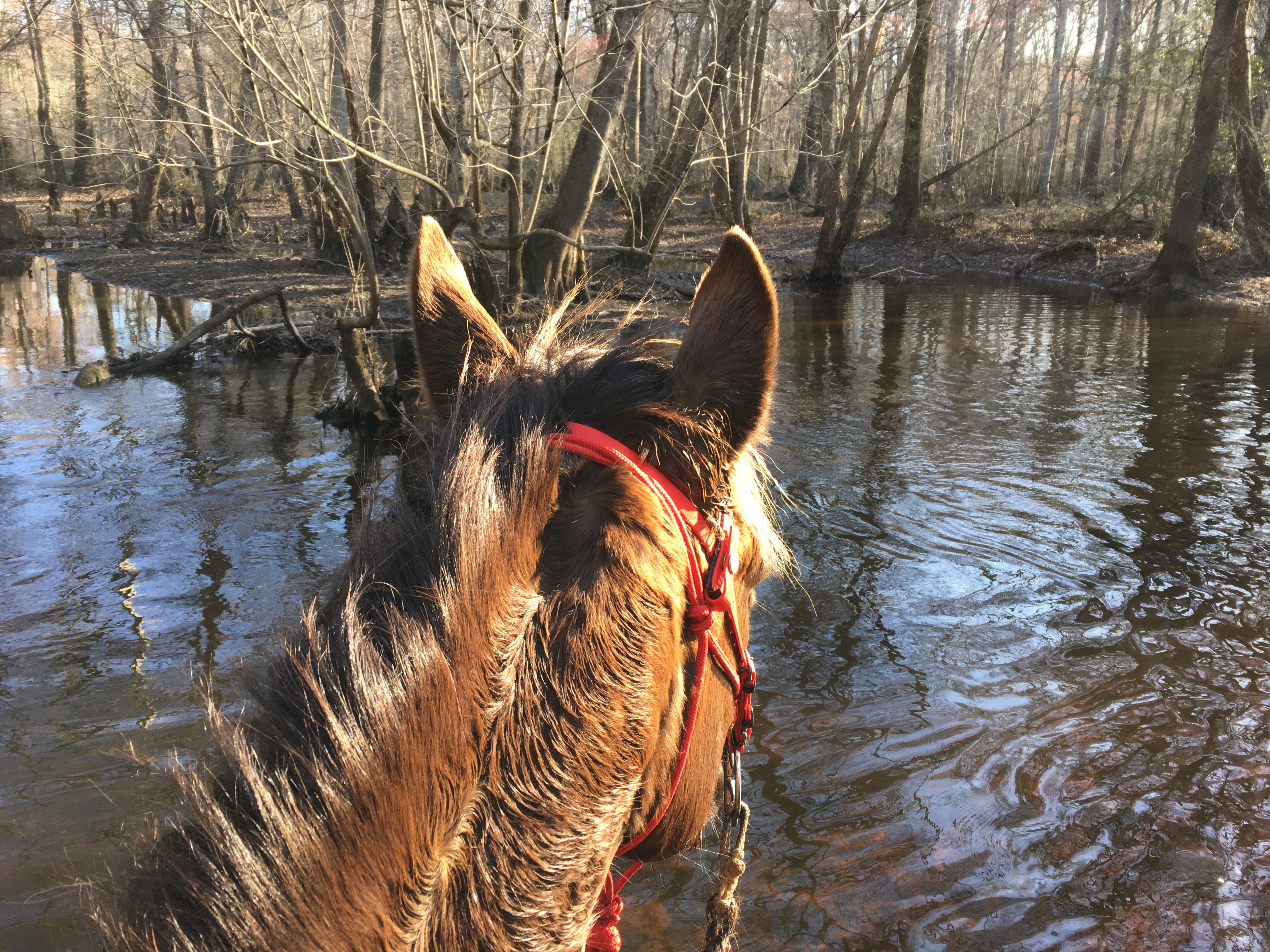

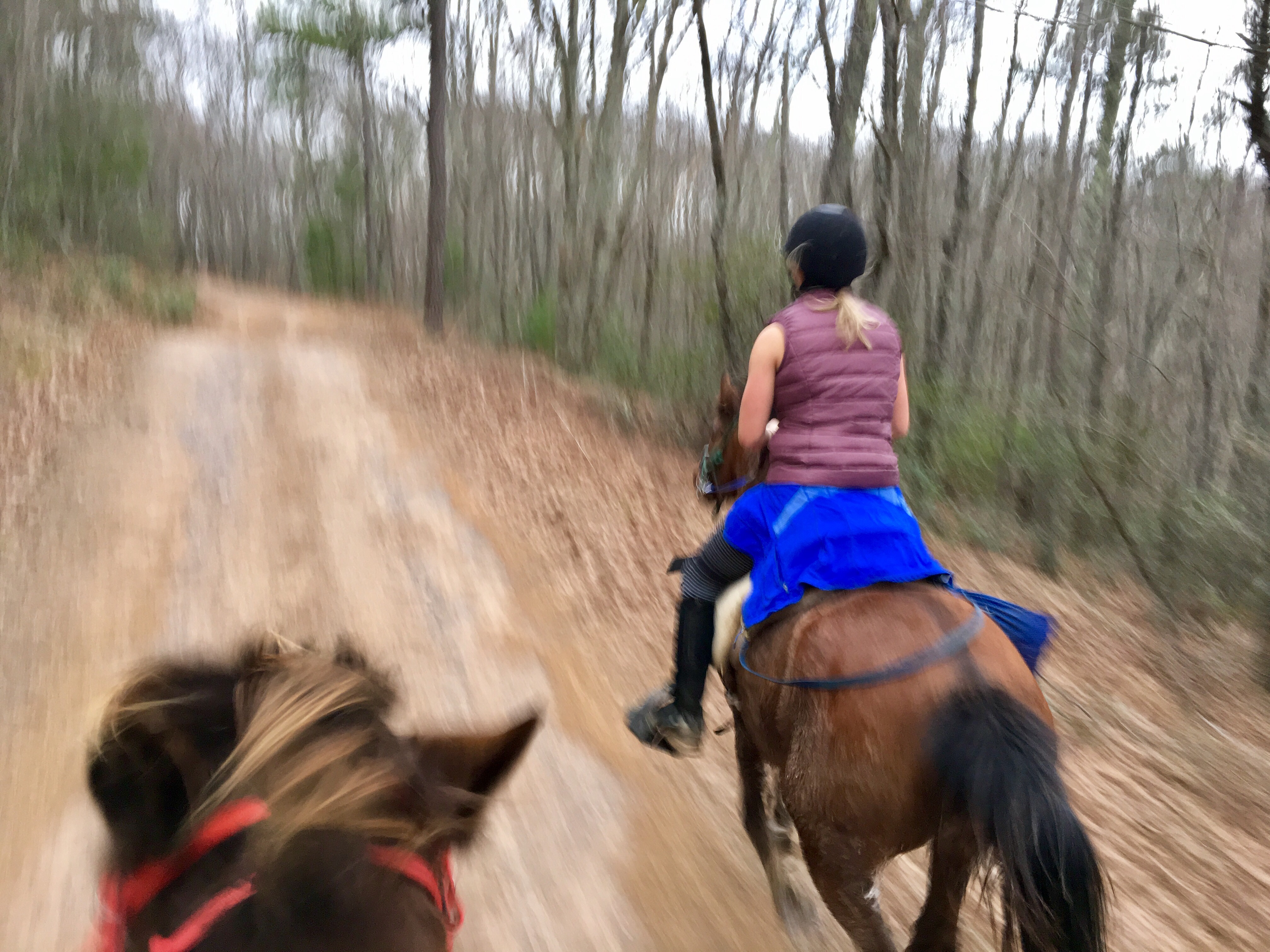
It took a few miles to relax into her job and we fell into a more controlled trot in a large group for a while but about about mile 8 or so we ran out of the starting gate booster, found a pocket mid-pack and began to lag on our own. 

This is ok. It’s remembering that the day is long and what we’re doing here. It’s like the crash after a sugar high. I now had the job of getting her re-motivated instead of slowed down. We kept motivated into the mile 12 turn around where there was water and hay and found Ricky Stone there with Ziggy. 
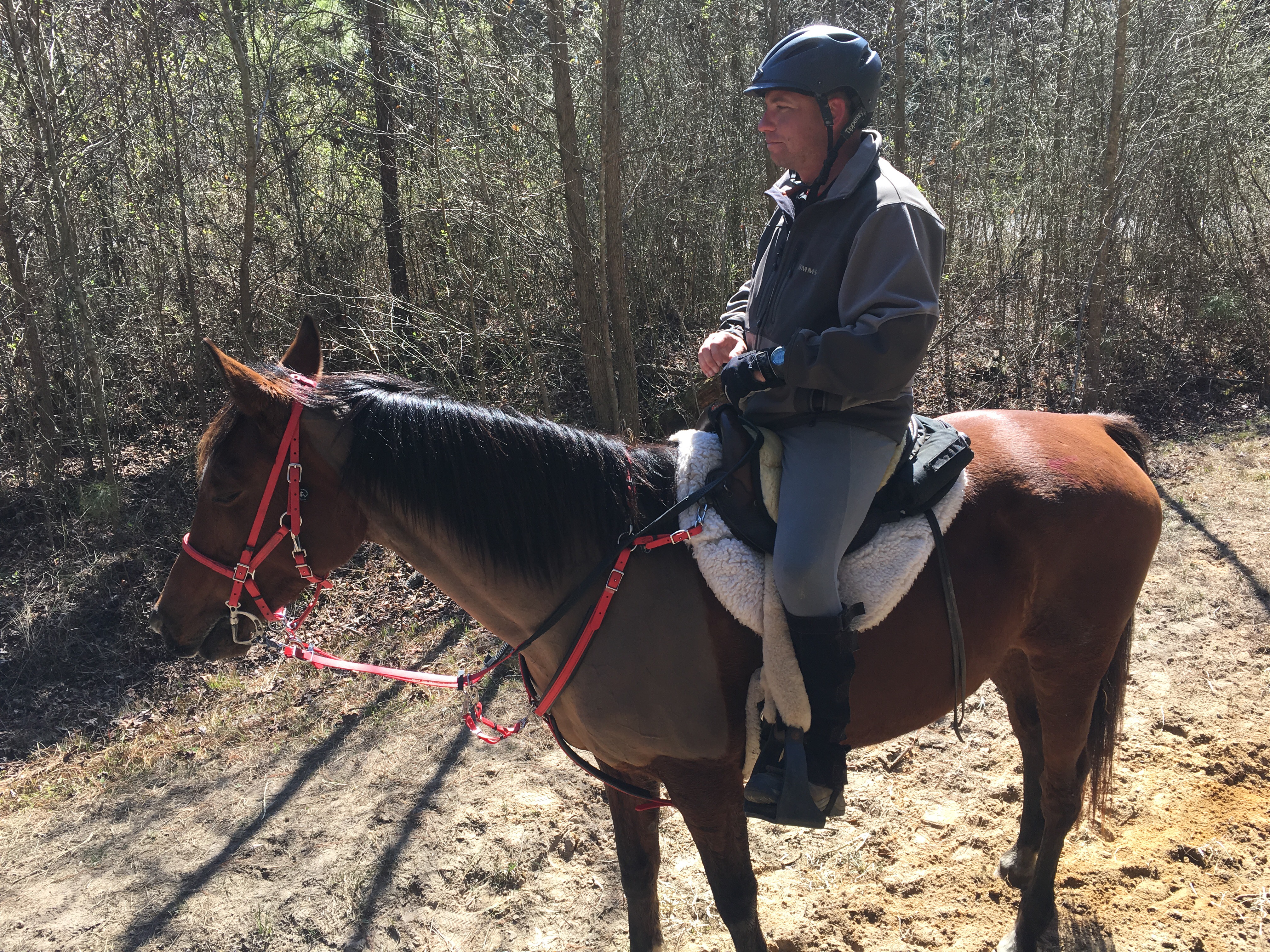

My main goals for this ride after reading some mistakes of other early season riders was rump rug to keep her hips warmed up and lots of electrolytes even though it seemed cold and sweating is minimal. 

I had begun the ride with my rump rug for the first time ever (breaking rule #1 of the good endurance rider never to try any new tack or rider clothes on ride day!!) thankfully it was a small thing and she didn’t even notice it. Except getting used to how it would sometimes shift to one side and how to tie it back up- I didn’t lose it and no troubles with it. 

Here at the turn around half way through the first loop I got off and encouraged her to eat as much hay as she wanted and hopefully drink. My first electrolyte was here and I electrolyted at each of the 2 holds as well. 

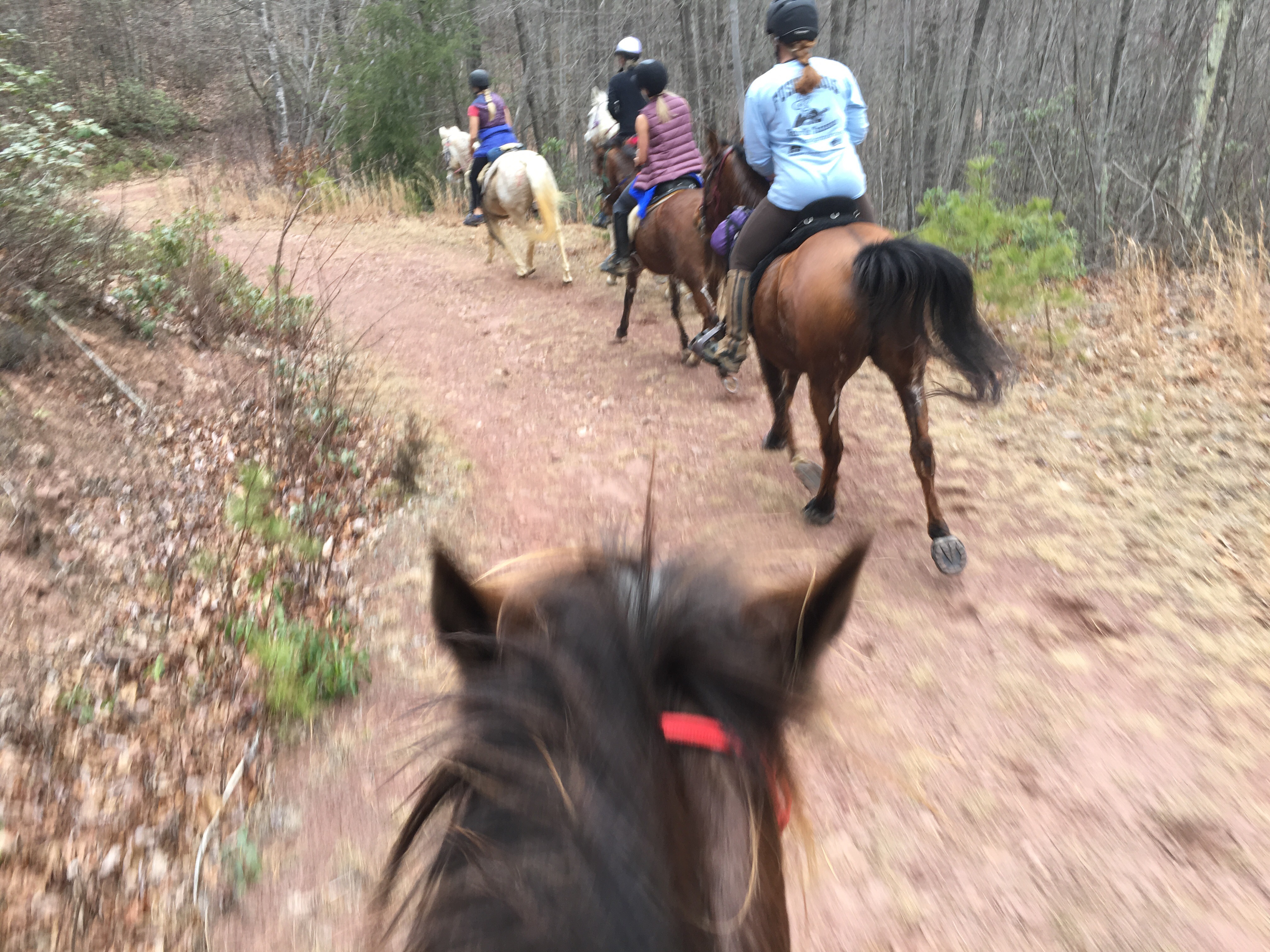
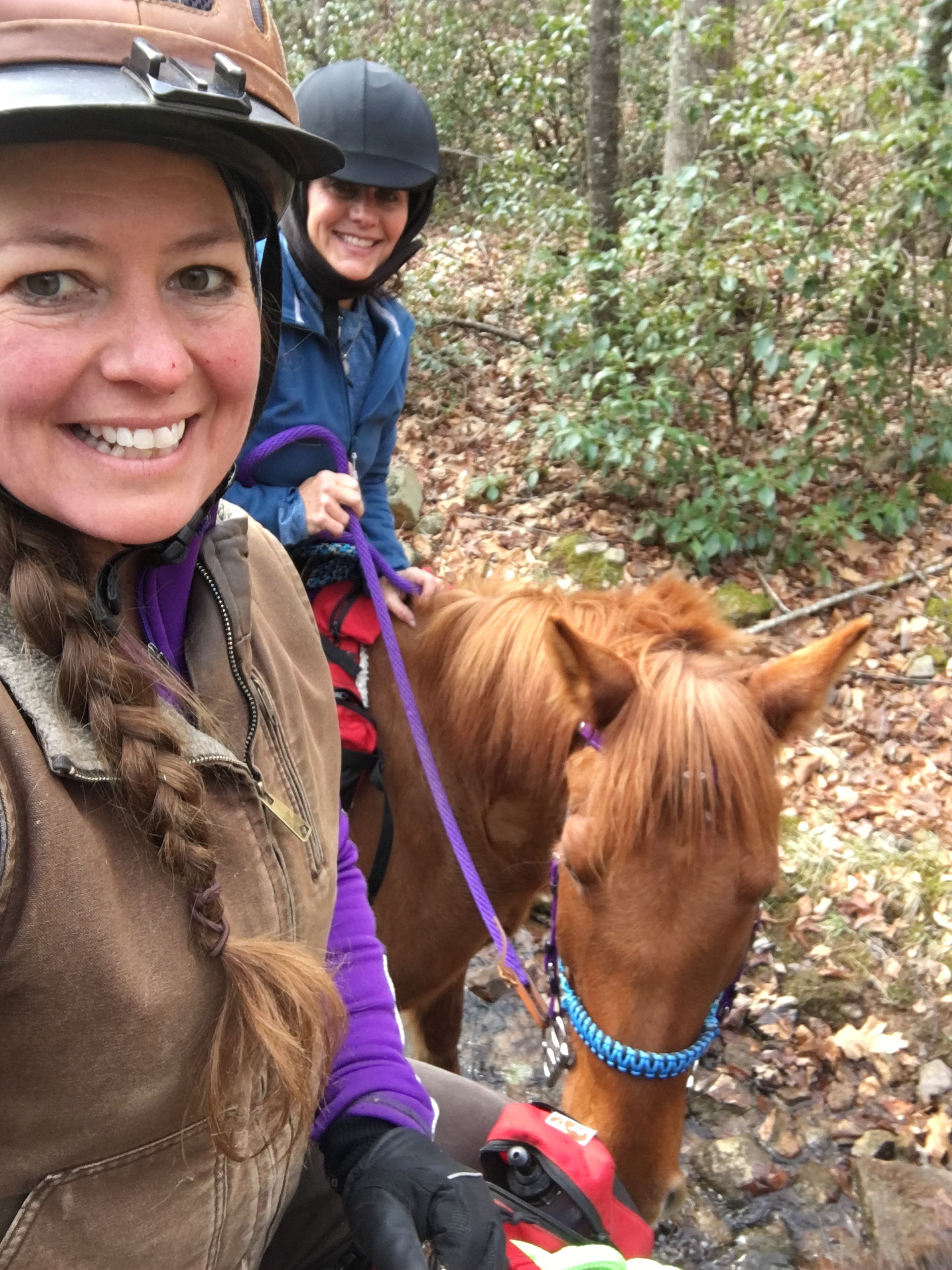
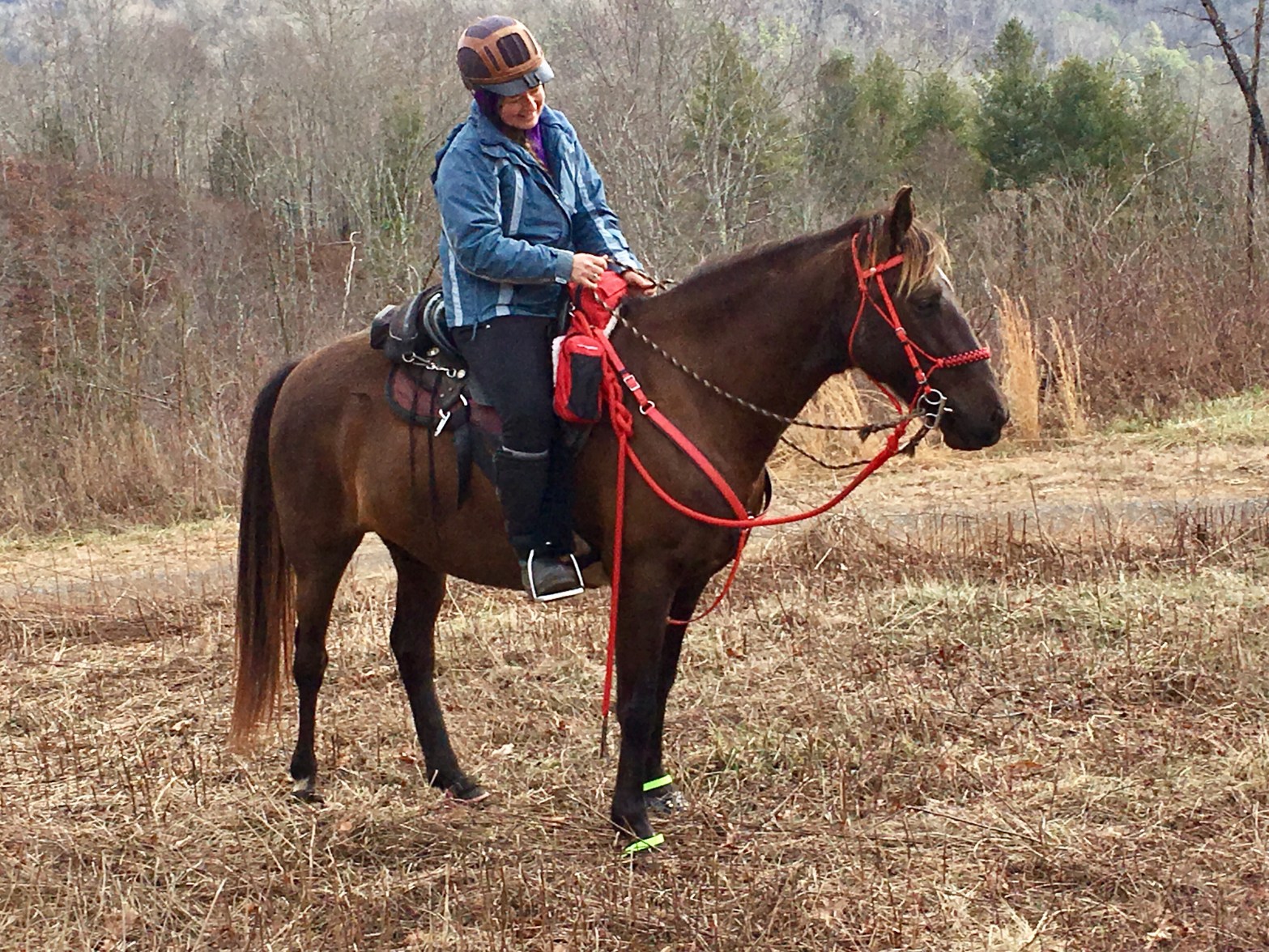
I was glad that Ricky also wanted to give Ziggy some time to eat and drink and they waited for us. We rode together the rest of the day- two good bay mares in red tack until we joined Elyse not long after… a third bay mare but hers in lovely blue. 

The trails were really nice footing as promised. Not a rock in sight, sand but not deep for the most part. We hardly walked and after mile 12 all horses were settled in for the long haul and relaxed and forward. 

Quick swamp shot

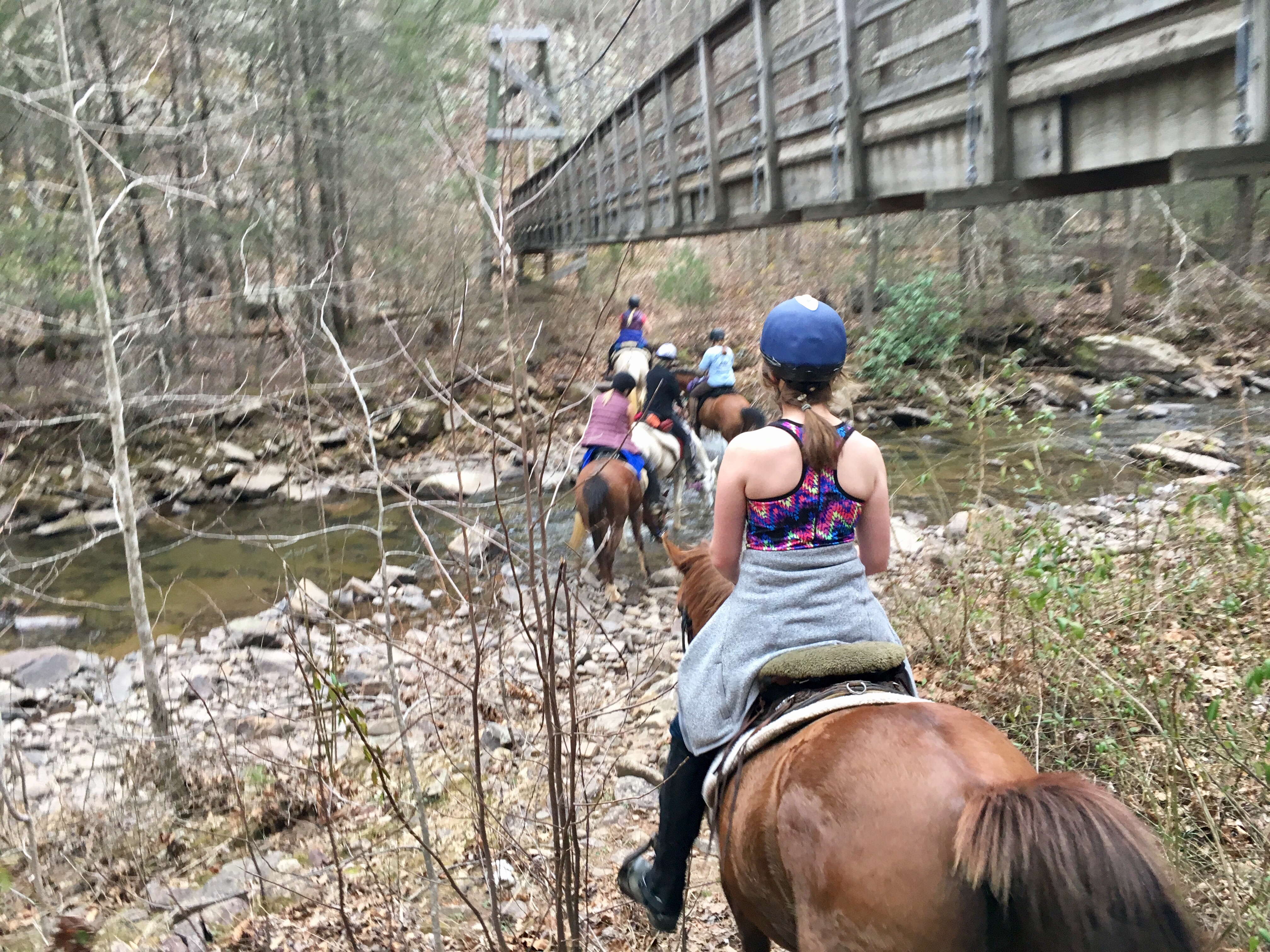
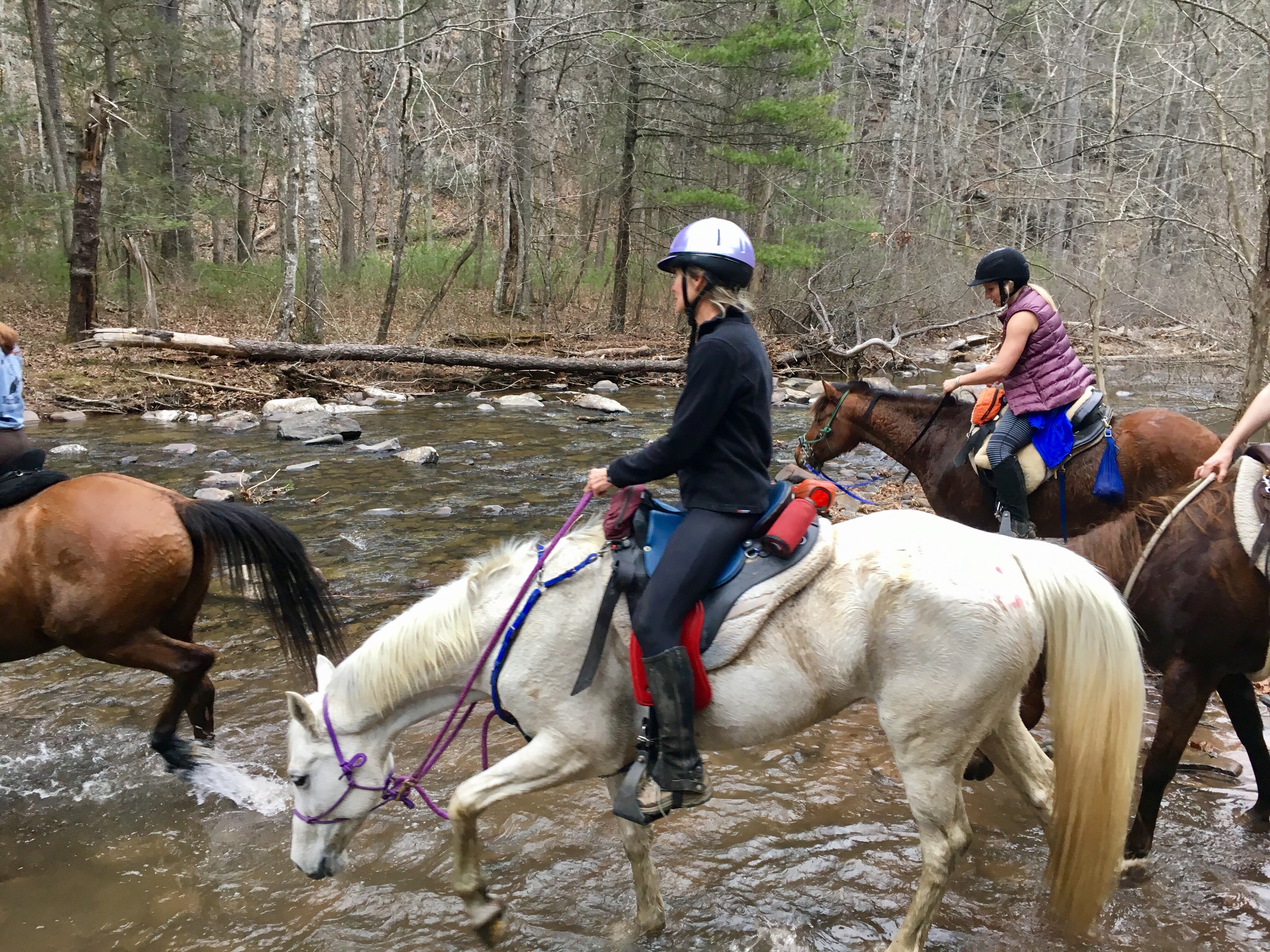
The ride was smooth for all of us. Lots of water along the trail and all the horses seemed to prefer drinking from the shallow mud puddles than the actual clear clean crossings we went through. 

One issue I was concerned about was how the finite amount of trail was turned into a 50 mile course. #1 in camp vet checks mean going BACK out which she always thinks is stupid. In this case to run very similar trail (even more stupid to a horse?). #2 getting lost. I’ve been lucky enough not to be that rider who goes 5 miles off trail and either finishes last doing 60 miles instead of 50… or pulling out due to not having the time to finish after a detour. Here with colored ribbons and shared trail sections I thought my chances of wrong turns wer high. And there would be hoof tracks everywhere anyway- so no help there!
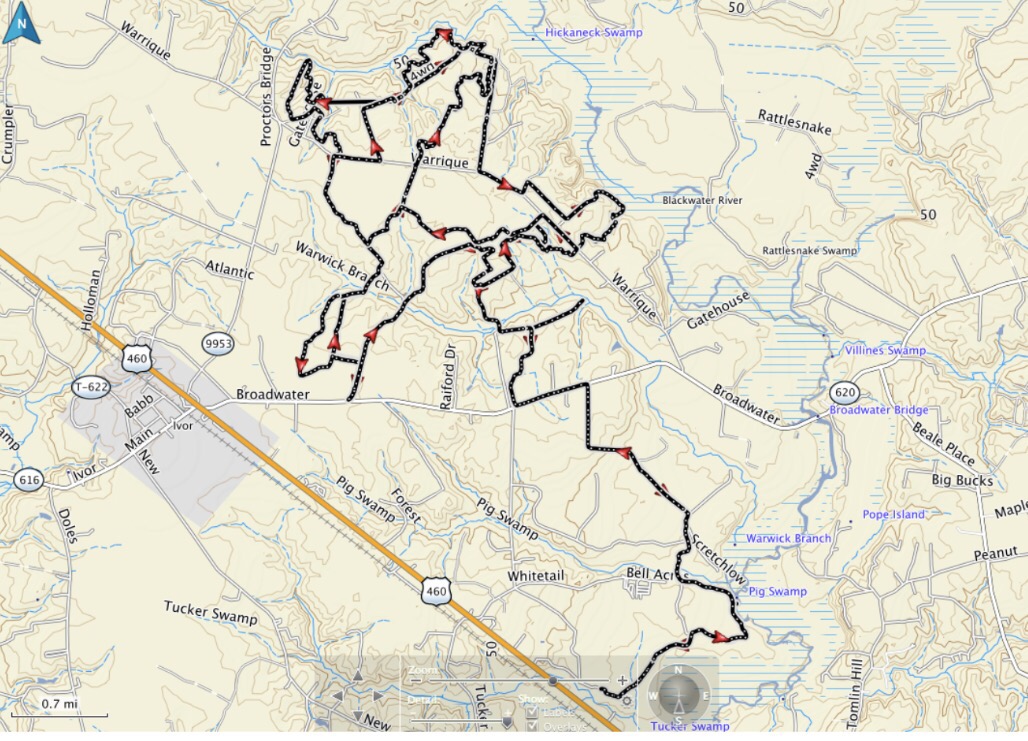

Turns out that similar trails ended up good for Khaleesi. Loop 2 was a repeat of loop 1 without an out and back extension- so though at first heading back out was not her first choice, once she got going it was like ‘ok, I know this road…’ and when we didn’t turn to add the 12 miles but kept on toward camp they got a burst of happy energy. The second loop was pretty successful due to its familiarity!

Also the trails were so well marked with pie plate X’s anywhere you might have made a wrong turn that we did not get lost (we missed a turn but that was minimal and the lack of marking made it pretty obvious). 

The ride was a mixture of the edge between farm fields and swamp woods and new single track trail built into the woods snaking through trees which is our specialty.

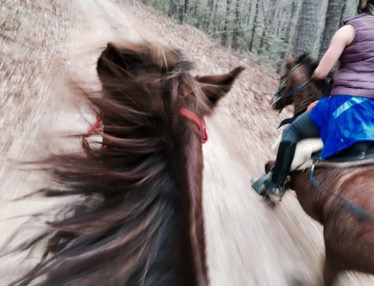
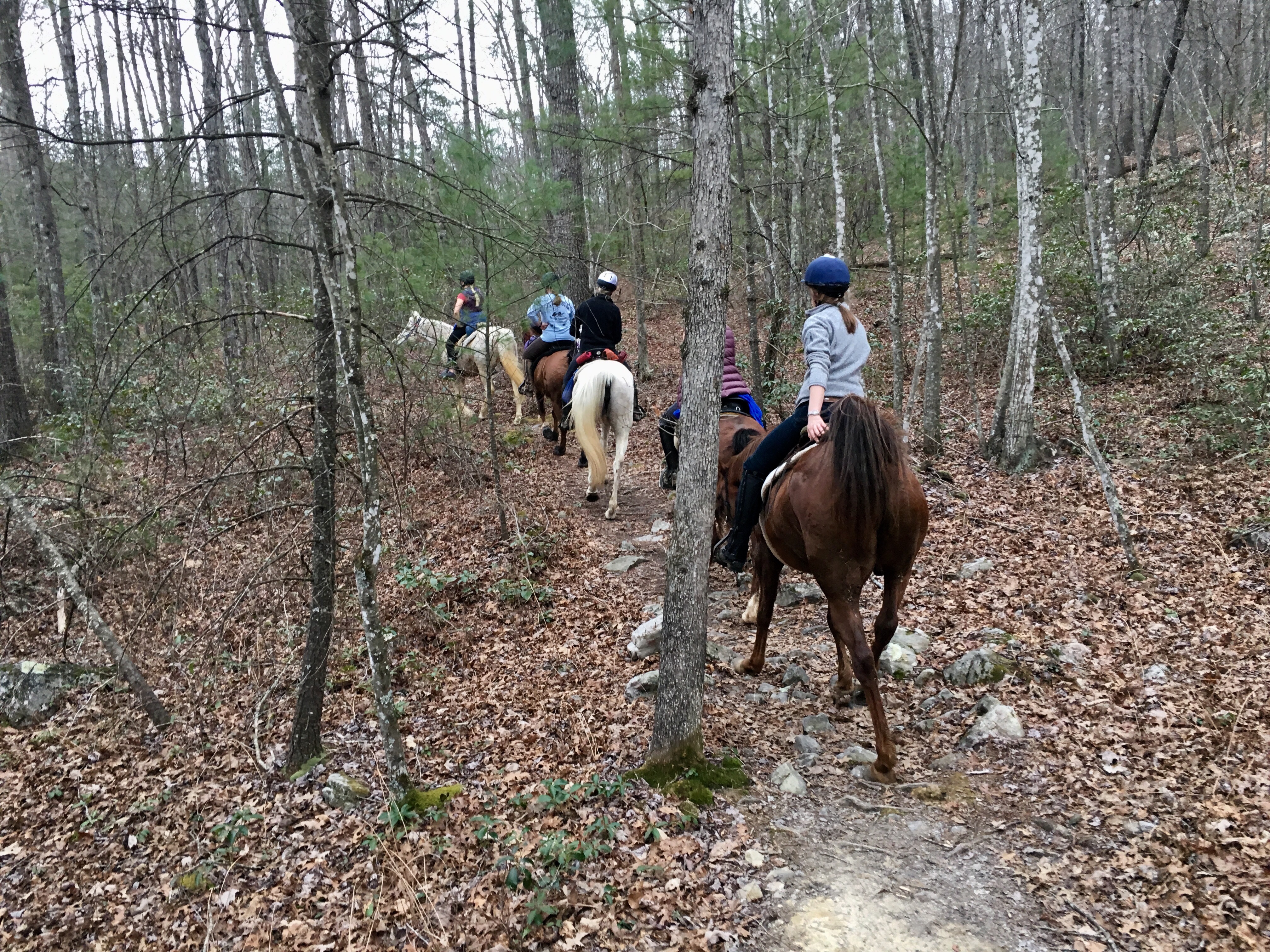
As we got our rhythm Elyse’s horse took lead on the field sections as she loved to canter on and we got sent into the single tracks first where Khaleesi was all business cutting her way around and through like a pro. One section was not so easy to follow the ground and you really had to watch for the ribbons and I swear that mare started looking for them on her own as we trotted through the woods. That was fun for both of us. I think she gets bored with the open field running. 

Photo credit Gayle Driver

All the vet checks went well. No gait/lameness issues. After the second loop – we’d gone pretty quick and not stopped long for hay at one of the spotter points- she had low gut sounds and the vet held our card. As she’s been voraciously trying to eat everything in the vet line I was confident she’d eat the entire hold, was indeed doing well and we’d be good to go (which was all true). 

Besides the fact that we were moving along and not eating a lot, Lynne told me that excessive cantering quiets down their guts and gave me some ideas to help with that. It’s not an issue we have much here in the mountains. 


I rode the entire day with a heart monitor and she never rose above 150bpm. Not even in long canter stretches. We generally stayed between 110-130 if we were moving and she dropped like a stone when we stopped. Cool temps and no hills made for those details. Never an issue dropping right away for the vet checks and it was cool enough that tack on was allowed which we did the first check. By the second check it was approaching 50 degrees and I thought she’d enjoy a break from the saddle. 
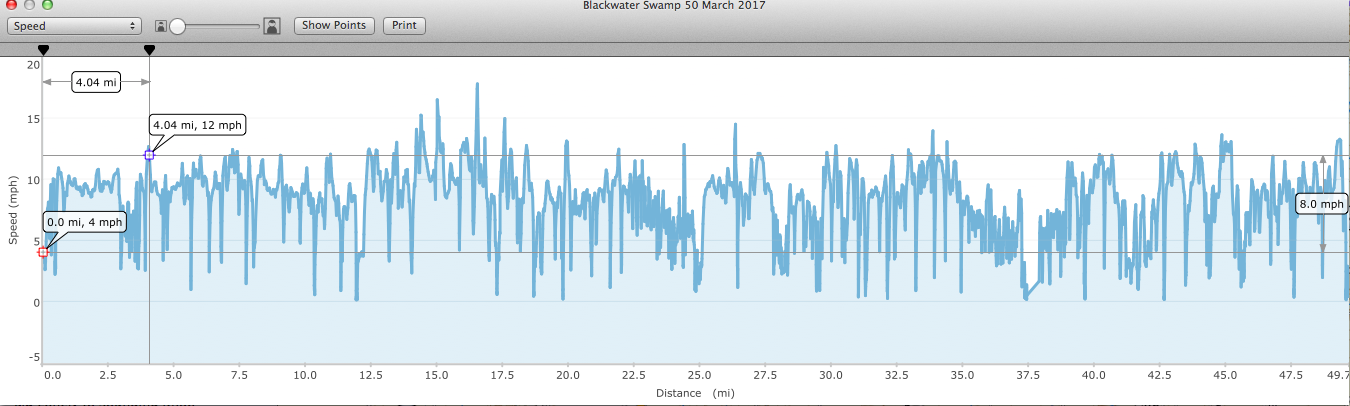

I was surprised we kept such a nice pace up and though all the horses hit that lull around mile 38 where they all seemed tired and we let them walk and eat a little to refuel- once the fuel hit we were strong and solid again. The last ten miles went back up at good strong pace and we cantered albeit a much more controlled canter than the start- into the finish line. 
Official ride clock time put us at 7hours 45 minutes tied for 14th place. We pulled into camp just ahead of 4:30 and thankfully still warm(ish) and light. 

Photo by Jen Coates

Khaleesi passed vet check with no issues and after Dr. Bullock gave the official capital C (completed) Kelly (our vet) came over and couldn’t help but share how excited she was:

You wouldn’t believe how lame this horse was just over a week ago!! Jaime has done an amazing job with her- she looks great!!

(I really don’t feel like I did anything actually)

Khaleesi looked the best she has after a 50 to date. Sure, this is probably in most ways the ‘easiest’ 50 we’ve done but I will also aretuibite it to learning the lesson of REST. she hadn’t been ridden in 15 days before this ride except one 2 mile test-leg stretch where we only walked to be sure the shoe was ok. 

After the finish line: photo credit Gayle Driver

She wasn’t stiff, walking nicely, good life in her eyes, hungry, happy even. 

As Amy reminded me:

She could have done another loop. You did your job well…. that 100 might be sooner than you think for her!

Three teams at the water before final vet: photo credit Gayle Driver

Me on the other hand… the constant trotting wore me out! I just am not used to it up in the mountains. And as the day wore on she began to find that big fast trot I hadn’t seen before- she started the ride offering more cantering even while others were trotting. By the end of the day Chianti was cantering and Khaleesi was trotting at speed. Be careful what you wish for- I would have loved to sit that lovely canter at that point in the day. 

50 miles of trotting though gave me a lot of time to work on my riding. Balance and diagonal changes especially. I believe my balance is improving a lot especially working with Noel T. at the gym to strengthen evenly and work on not havening a weak side has made a difference. 

However the left diagonal is still not as good and as the day wore on and we both got a little tired when I’d switch to it she would fuss at me, flip her ears back to me and try to ask me what I’m doing?! Sometimes she’d toss me back to the right, sometimes she’d pick me up into a canter. 

Our decent finish time and the fact that she looked so good were the basis for Iva and I deciding to pack it in and go home. One more sub-zero night with an early morning pack up didn’t sound nearly as good as a hot tub and bourbon drink before climbing into my warm bed. 

Team green heading back to the trailer: photo credit Gayle Driver

We got on the road before 7pm and though a little tired, adrenaline was still going. We stopped for gas and I decided to try one of those little energy drinks- when I got back in the truck and gave it a shot I grimaced and exclaimed 

Yuck! That tastes like crushed up sweet tarts!

To which Iva laughed and said –

You just made the same face Khaleesi does when you electrolyte her!

We got a good laugh. 

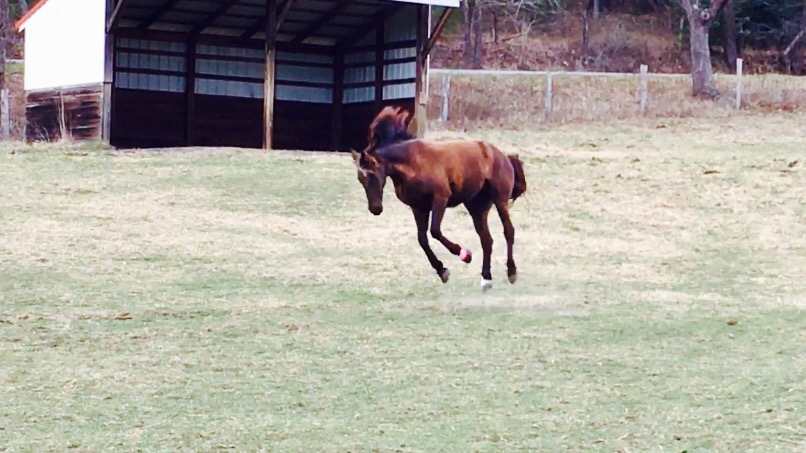
The energy drink must have helped because I was completely awake as I pulled into the barn at 11:30, Khaleesi dragged me to the field and cantered around bossing the herd again looking sound and happy. 
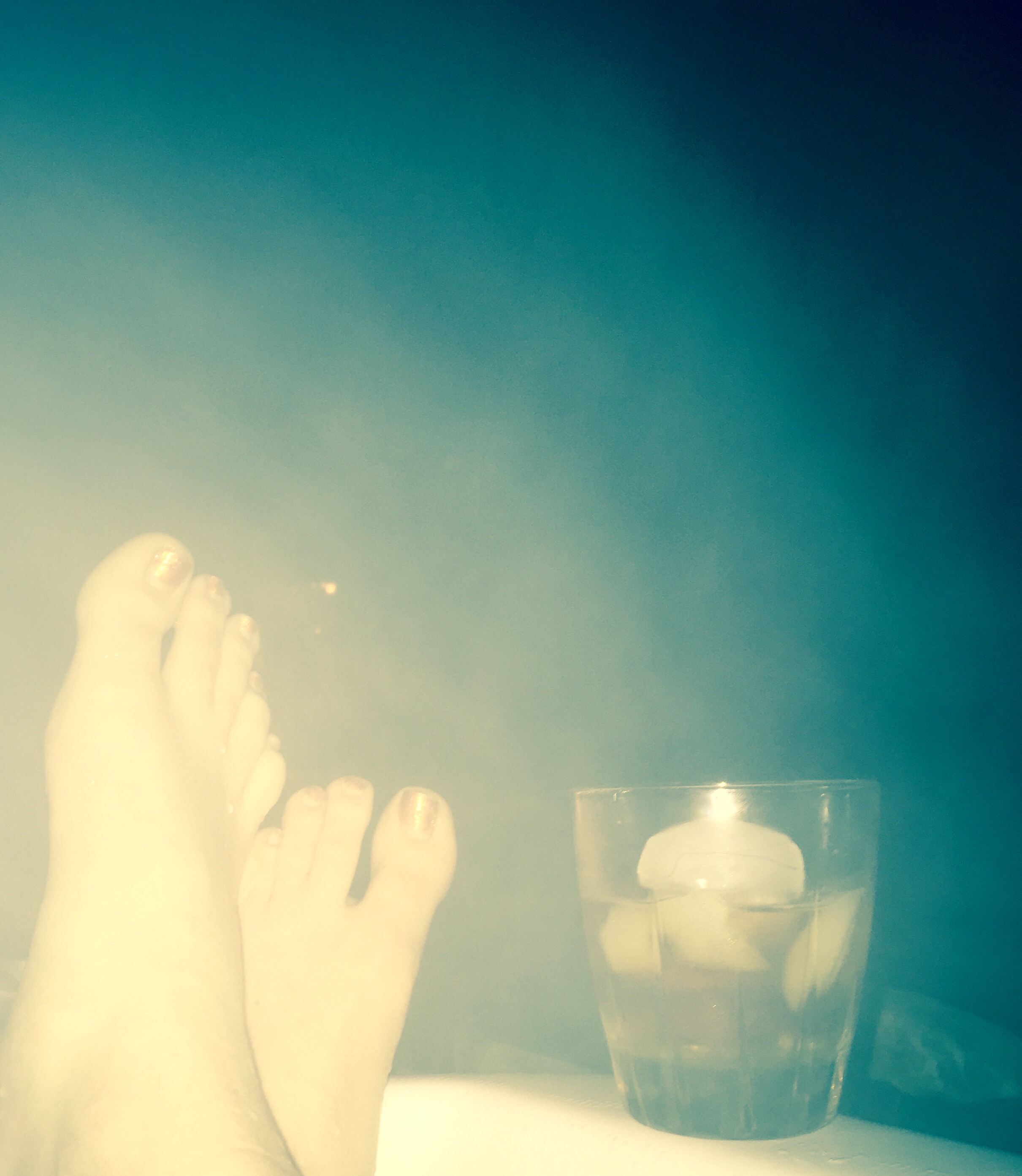
As predicted I enjoyed the hot tub and bourbon before sleeping soundly in my own warm bed. 

Next stop the No Frills.   
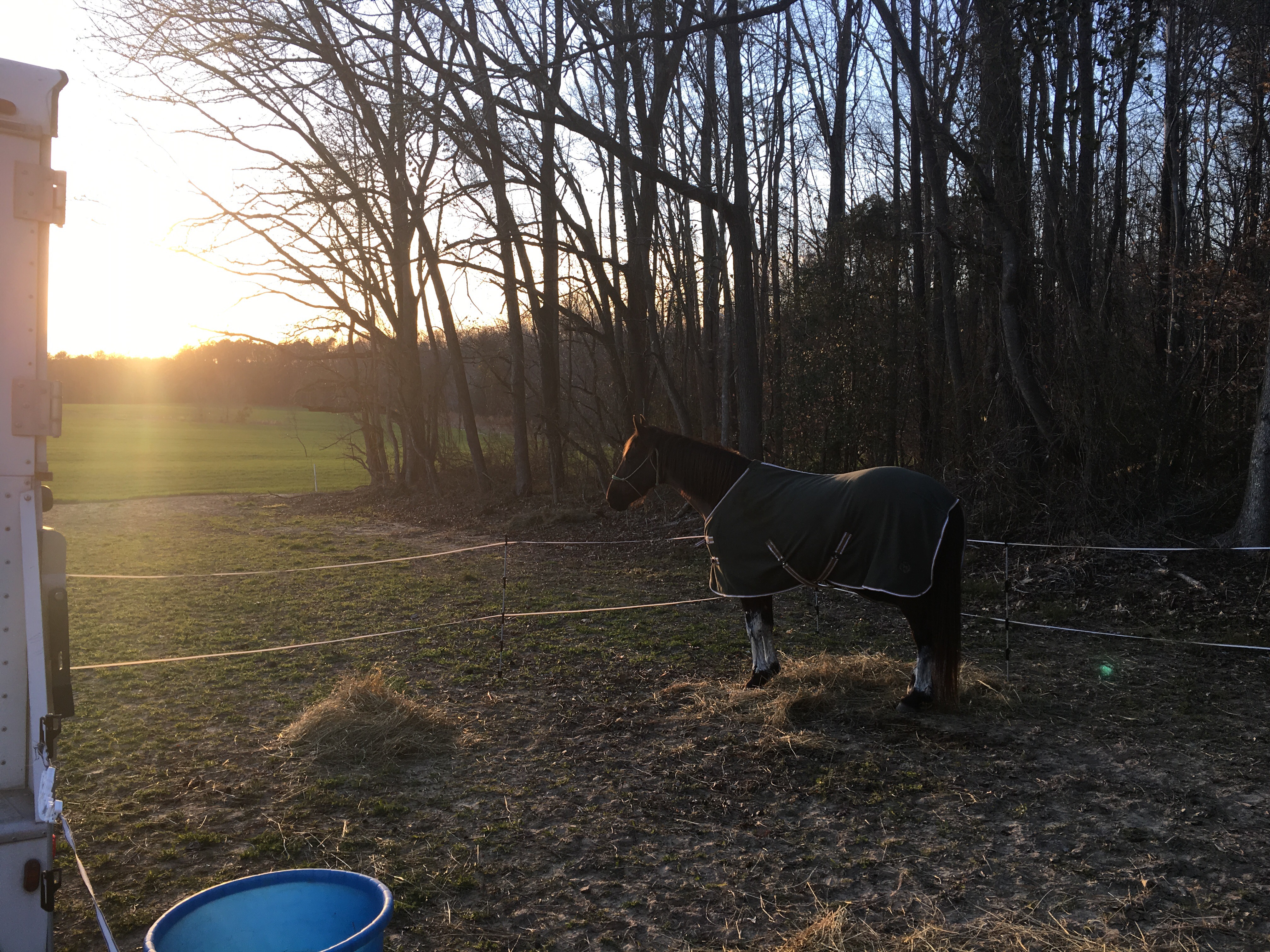
The road to Blackwater 

Friday, March 3, 2017

All systems are go so we plan to hit the road in the morning. 

My farrier came Wednesday to put the shoe back on- turns out his schedule changed and he showed up while I was at work instead of later in the evening as we’d planned.

This always makes me a little nervous because Khaleesi doesn’t really trust him 😙.  The mare that walks right up to me in the field becomes a running, herding evader when he comes to get her. I can just hear her:

No way- my mom isn’t here so what do you think you’re doing?? Are you sure this is ok… HELP!! I’M BEING HORSE-NAPPED!!! Someone… anyone!! I am NOT going with you!!! STRANGER-DANGER!!


Luckily the farm manager was also there and though he said it wasn’t exactly easy- he was miraculously able to get a halter on her and bring her in. He wins her over in the barn from time to time as he walks by, gives her a rub and asks ‘how you doing you hateful thing you?’

Thankfully the shoe went on without a hitch and the exact text quote I got from my farrier after I asked how it went was:

When she took off running she looked good…

😙

Took a short easy ride Friday with Wild Heart to be sure she stays sound carrying a rider, and so far so good!

​​​​​​

​​Now for ride prep.

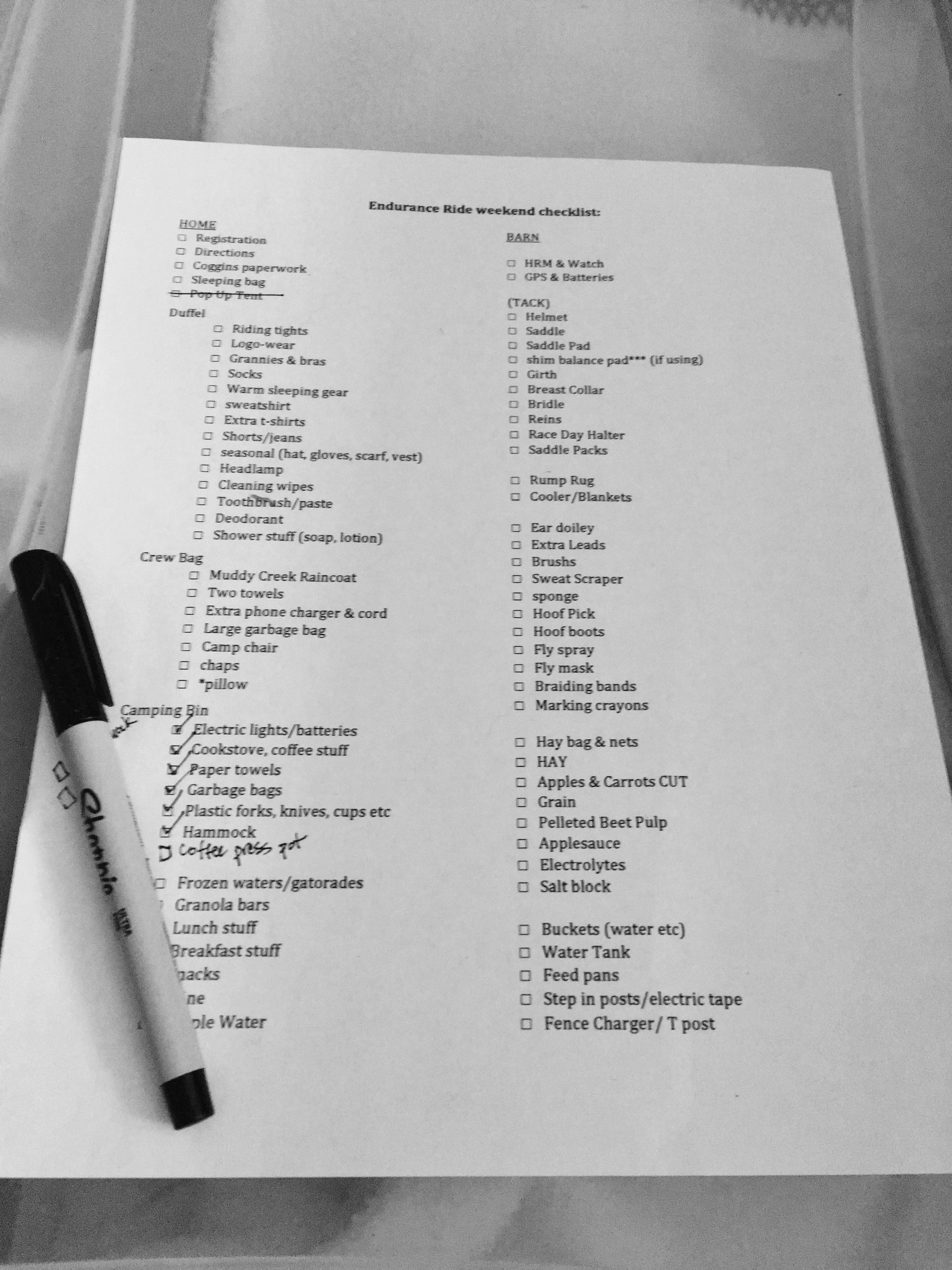
First I print off my checklist. 


The weather dictates a lot of the plan. 

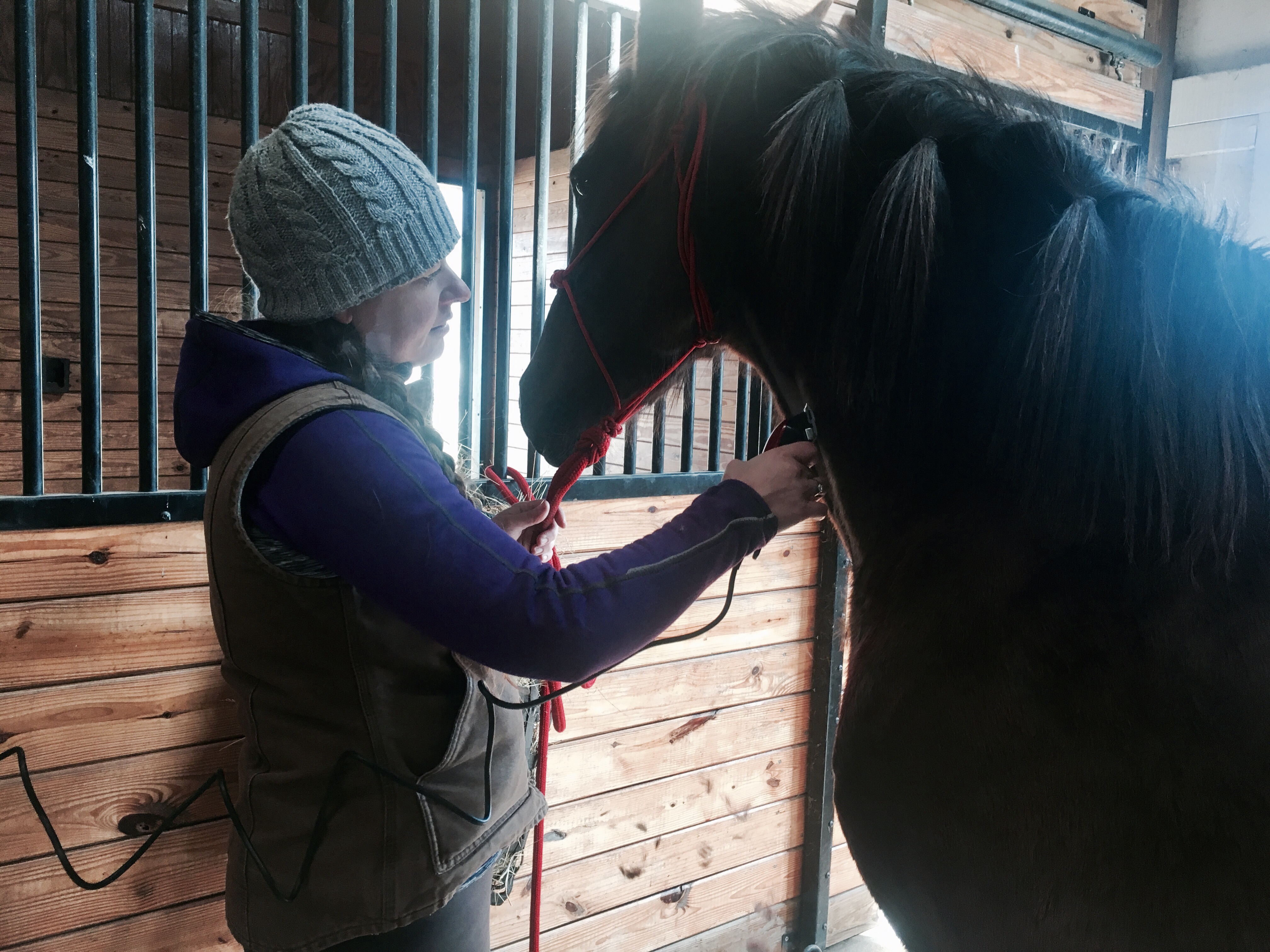
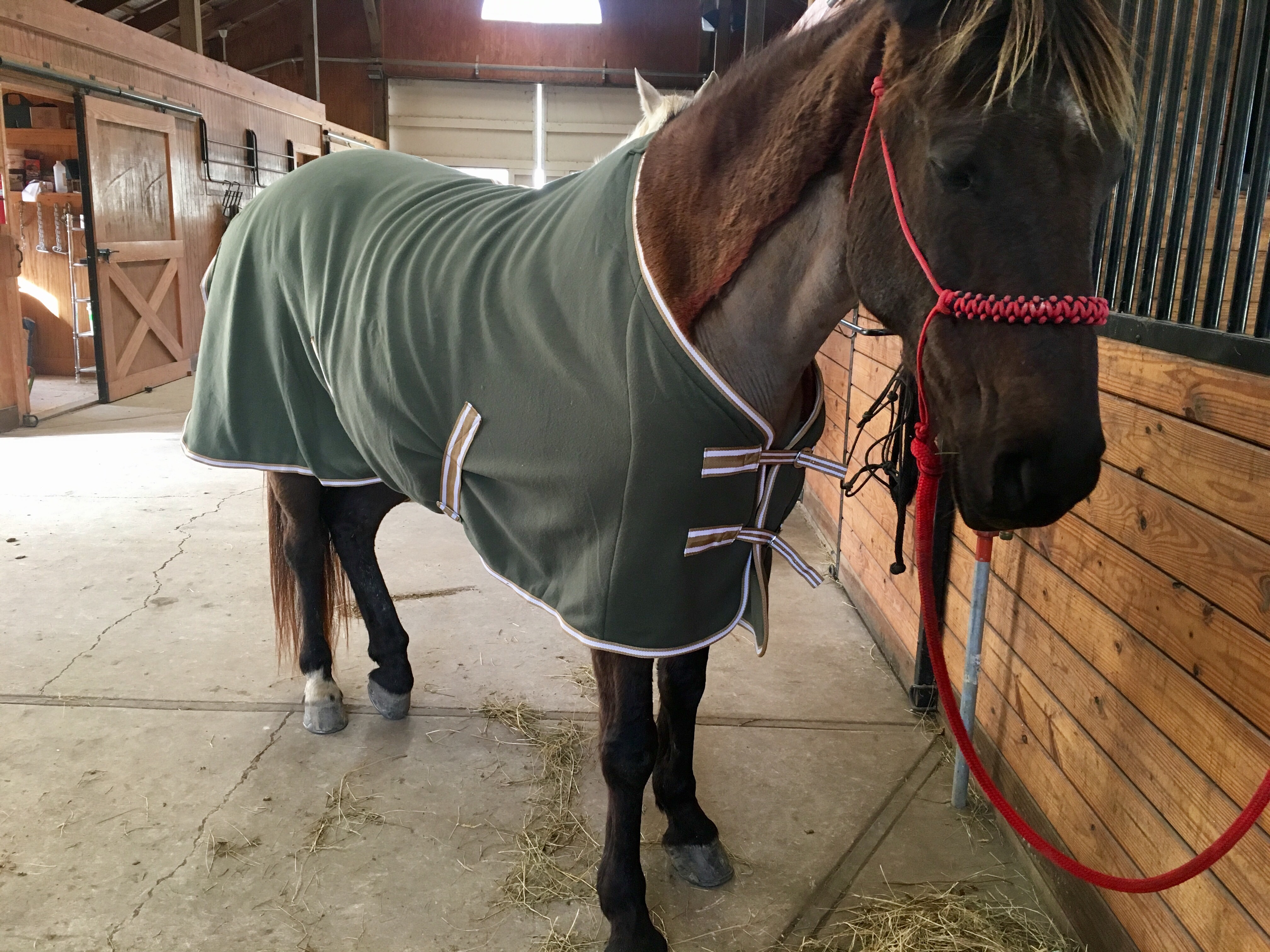
It will be cold night/morning (low of 27) and warm in the day (high of 50). I plan to do a slight trace clip just of her neck and chest but not too invasive. I will also bring a fleece and sheet to keep her comfortable at night.

Always amazes me how good she stands to be clipped on her neck and chest when sometimes she nips and fidgets with too much brushing and grooming.
I will steal a concept from a blog I recently read (and loved- you can see it here if you’re interested: 20 Mule Team 100). She said when you’re prepping for a ride:

You just can’t think about these things too hard… to be clear, you obsess, pack and re-pack, and continually go over all the details in your head and never stop thinking about it while not really acknowledging that you’re about to do something that half way terrifies you (ok, she was doing her first 100 and I’m heading into our 4th 50 so I’m not exactly terrified but you never know what will happen so it’s always a little of the unknown…) you just do it. I call it winging it while being as overprepared as possible. 

I love that phrase: winging it while as overprepared as possible. That is exactly how I feel each ride. And I try not to visualize getting up in the dark while it’s 27 degrees to make coffee and start getting ready for 50 miles underfoot and 8-10 hours in the saddle. 

Thankfully my friend and gym trainer loaned me a tent heater so at least we’ll be toasty as long as we are inside the box!

And I’ll say a prayer of gratitude that no rain is predicted and the winds should be minimal. Nothing really is as bad as being wet!

I’ve read a few blogs and reports from fellow riders who have begun their seasons and have been taking notes of their experiences. The two biggest ones seem to be: not using a rump rug on a cold morning start and not electolying enough early enough (as cooler temps didn’t seem to call for it). 

Love the lightweight fleece and she looks so good in it!

I will keep her fleece sheet as long as possible since I gave her a trace clip and to keep those joints warm. Finally I’ll use my (still in the package) rump rug for this start. We’ve never really needed it before but this will be the earliest (in the season) ride for us so time to bust it out. 

My plan is to electrolyte early and regularly even if it’s cool. 

Susan Garlinghouse once wrote: the feeding you do Thursday becomes the fuel for the ride Saturday. So… I’ve been fueling up Thursday and Friday with spaced out meals of senior feed, beet pulp and all our antioxidants and minerals as well- making sure not to forget the salt so she’s encouraged to keep hydrated before we load up. 

I’m tossing plenty of hay twice a day and opened up an extra section of baby grass pasture they’ve been blocked out of a few weeks. 

The first event of the season always takes me longer to sort out my gear, but each year it’s a little less mayhem and nerves of forgetting that essential item- whatever it may be. 

I’ve never had a disaster of gear/packing yet, and as I told ed: I’m getting to feel part of the endurance family and they’ve always got your back in case of emergency. 

I am excited this ride to have Iva (a horse crazy teenage violin student who has come up to ride with me on occasion) as my company and crew. I know I can do this on my own but it’s always nice to have help. Bonus, she’s fun and I enjoy spending time with her! It’s great borrowing other people’s kids… 

Iva and me on a ride a few weeks ago

I suppose now I’m just stalling. There are snow flurries out there and it’s gusty. Not the kind of day I enjoy spending hours in the barn packing up, but it’s what we do!

The edge of the known. 

Monday, February 27, 2017

Go ahead and get the shoe back on when you can and let’s if she stays sound…..

I’ve been icing Khaleesi’s hoof and changed the poultice wrap a few times. This is her last day on butte (for inflammation in the hoof) and we also put her on low dose of omeprozal over the weekend to ensure she doesn’t get an ulcer from the butte the week before the ride. 


In this case we are certain it’s a hoof issue so the butte is a pain reliever but she is not likely to do much in the grass field – with her foot wrapped and protected in a hoof boot- that would cause her more damage by having a pain reliever. 


In this case the anti inflammatory properties to help settle down any inflammation and heat in the hoof is more valuable than a potential masking of pain.

Also when I first get to her the following day it’s always been enough time that the butte pain relieving would have worn off so my videos are pretty much butte free. 

Video below is from Sunday morning:

​​​​

​​​

Then a real test to see how she was healing- turning on the hoof. 


My California Trace supplement arrived and she’s been on that since Friday (not nearly enough time to see any results yet) Supposedly if I am dealing with a fescue endophyte issue at least the added minerals should help combat the effects. 

As for the endophytes- the enzyme that can have toxicity is found when the grass has gone to seed though not only in the seed heads (the stems also contain the enzyme) so it is more likely the hay they are hammering into 24/7 than the actual grass they are picking on as it comes in. For precaution I’ve stopped with the farm hay and am tossing hay from a local grower that is mainly orchard grass and pretty high quality.

Also- I’ve removed the Legends Omega Plus from her meal plan as I have a small concern the balance of omegas in that product for her could be the kind that creates inflammation (too much 6 not enough 3 to balance it out) I’m not really sure I understand that correctly but she’s on ground flax now so I decided to just pull her off the Legends omega pelleted product in case. We don’t need it with the flax. 

Trot out from Monday- she’s looking pretty good. 

​​

​After sending the videos to Kelley she told me she looks great. Go ahead and get that shoe back on to see if she stays sound.

My farrier said he’d get out here Wednesday to get the shoes back on. Once that happens I’ll take a SHORT ride, not fast, in SOFT footing to be sure she stays sound with the shoe on. 


If all those things work then we load up Saturday for the ride. We take it easy on any gravel or pavement and see what this 50 does. Hopefully good news but even if not I continue to learn. 

A friend remarked: You probably don’t want to hear this- but it could just be that it will take some time for her to get through the changes. She may just need to get used to the new angles and grow a little more hoof. 

We that’s true- I never like to hear things will just take time. I do know however it’s often the truth and as long as I’m doing everything I need to in order to support positive changes I can live with that. 

There’s a lot to learn and it’s what I love most about this sport. By pushing to the limits we learn much more about where they are than by staying in the safe zone – for us and for them. Hopefully the limits are tested and not broken beyond repair with serious injuries for either human or horse. But especially as I’m learning it’s always a chance. 

Thankfully I have a great team and friends who’ve gone before me to rely upon for guidance. And I’m willing to keep learning and open my mind to what is easy to hear and what is hard. 


And we ride a little closer to the edge of the known. 

Getting there part 2

Later on Thursday, February 23, 2017

We loaded up at 7:30am and headed down the mountain to the vet. Khaleesi was already improved from 3-legged lame the previous day but she was still noticeably off. 

Morning fog as we came off the mountain

My farrier said he was sorry he couldn’t meet us at the vet and I assured him we’d stay in touch. It was a nice thought but I know how busy he is. 

When we pulled in Kelly said she was glad we were getting together right away instead of waiting until Friday (the original time the office set before she’d received my text video and contacted me personally) – me too. Especially when she saw her come off the trailer:

She’s already 90% better than that video you sent yesterday. 

I thought 90% was a stretch but she said regardless it was a very good sign that she was recovering so quickly. 

We were pretty certain that it was the hoof as there was some heat. I asked if she was picking up digital pulse and she said yes but it’s tough to find.  I always have a hard time when feeling for digital pulse on her and it makes me second guess what’s going on. 

Kelly suggested she’s in such good shape that her heart rate is already slower and makes it harder to pick up. But it was there though somewhat faint. 

I trotted her for them see her head bob and the extent of the left front lameness. She examined what she could with shoe and pad – tapping all the nails and didn’t find any of them particularly sensitive. She tapped on the front of the hoof wall and K didn’t like that so much. Kelly said you could see that front tendon pulse when she knocked the hoof from the front. 

We decided to go ahead and pull the shoe to get more information.


Hoof testers didn’t seem to reveal anything obvious except if anything she’s more sensitive on the inside of the front of the hoof. The tapping was the most obvious and Kelly thought it was possible she hit it on a rock – like stubbing your toe- more likely than a bruise on the sole (which makes sense since she is padded to protect from that). She pared out a small bit of sole to see but nothing was apparent so she stopped. It didn’t appear to be an active abscess. 

Then we trotted her without the shoe and she was still off. 

Next a nerve block to see if we could be completely sure we weren’t missing anything- if we numbed the nerves to the hoof only and she was sound then we’d know we didn’t miss something in a tendon, leg or shoulder. 

Sure enough she was basically sound after the nerve block so at least we could be confident it’s her feet. 


So we are back to major changes in her hoof shape which were very likely a good thing but we’re paying up front so to speak with issues now to hopefully have her set up for more success in her joints, bones and tendons during her career. Her feet, angles, and shoes look great now but she needs time to grow hoof underneath her. 

Here is where it’s nice to have a vet who also endurance rides. She went through a similar process with one of her endurance horses and sees a very similar case with K. She said a few months of hoof growth and proper trim made all the difference but it does take some time.

Meanwhile I’ve ordered a supplement the hoof folks recommended (California Trace) that has a good combination and ratio of minerals to help support that hoof growth. It may not produce a miracle but it can’t hurt. We are considering putting her on a short term medication that is often used in laminitic horses to encourage faster hoof growth and healing to see if it speeds the process. 

We are also talking with my farrier (had a call with him when we wrapped up the visit) about easy shoe products that are basically rubber or rubber with metal horseshoes that would give her better concussion protection and also allow me to continue filing back her toes in between shoe intervals to keep the hoof growth in the right direction (think regular pruning of a tree). 

Kelly is about to start experimenting with these in her performance horses so hopes to get ahead of the learning curve for us. 

But in the immediate present she said not to give up on the March ride yet. 

Khaleesi is more than fit for this ride. You shouldn’t ride her in the next 10 days anyway- you’ve created an athlete now leave her alone – she will excel on more rest than work right now. 

The ride is soft footing and if she bounces back in the next 5 days she should do well if you aren’t trying to ride in rocks and hard pack. 

Curious what all that stuff is for…

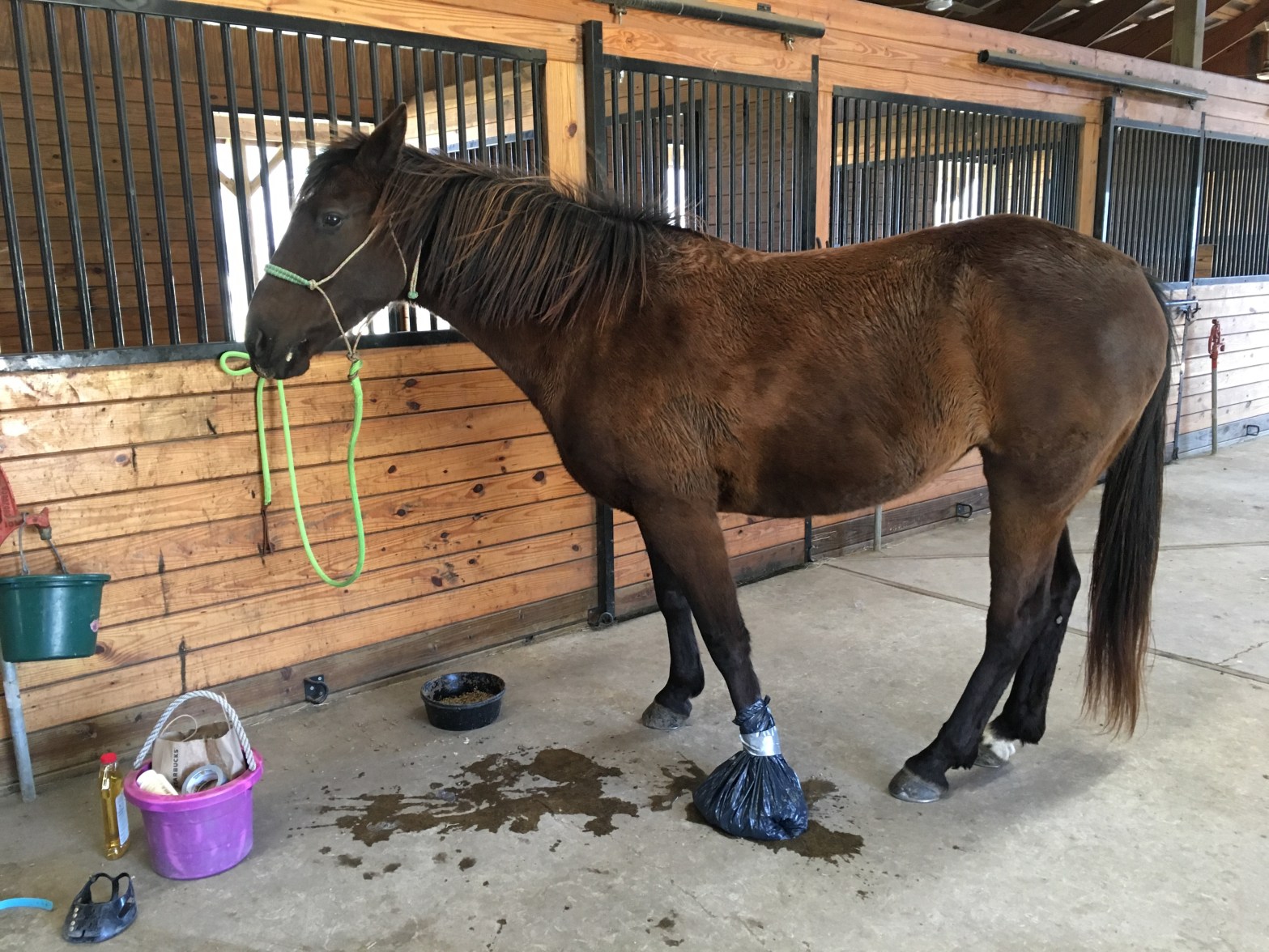
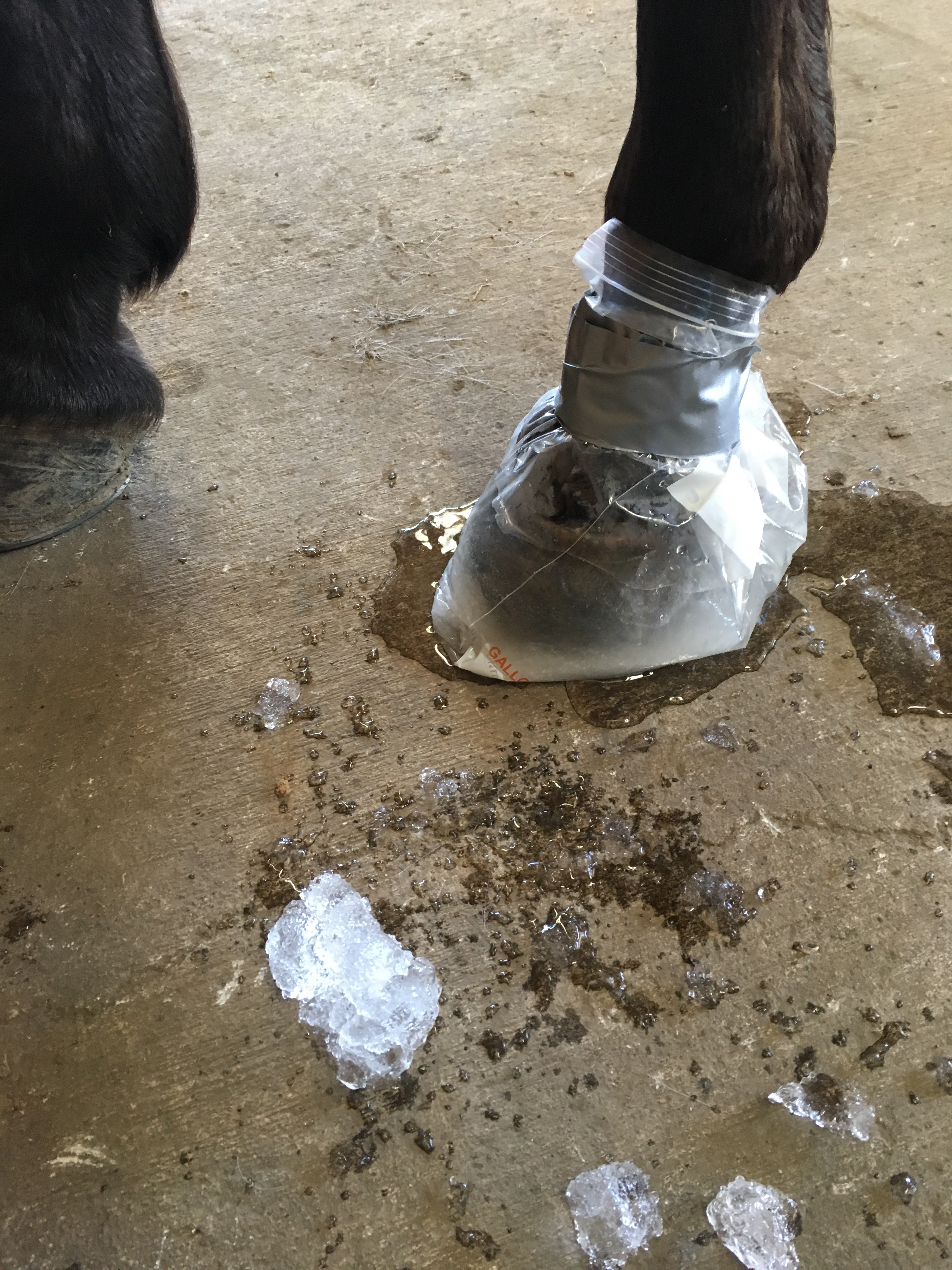
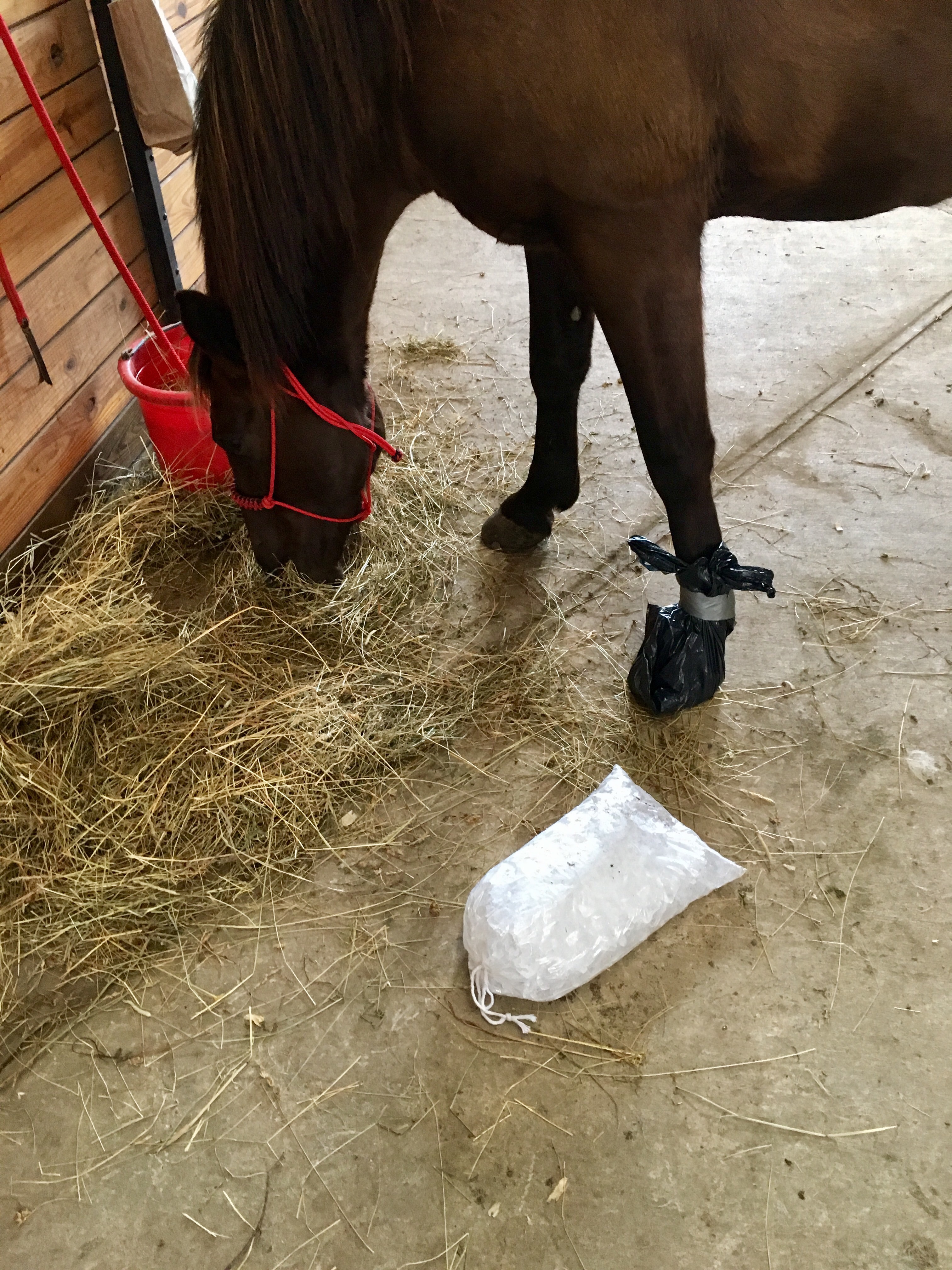
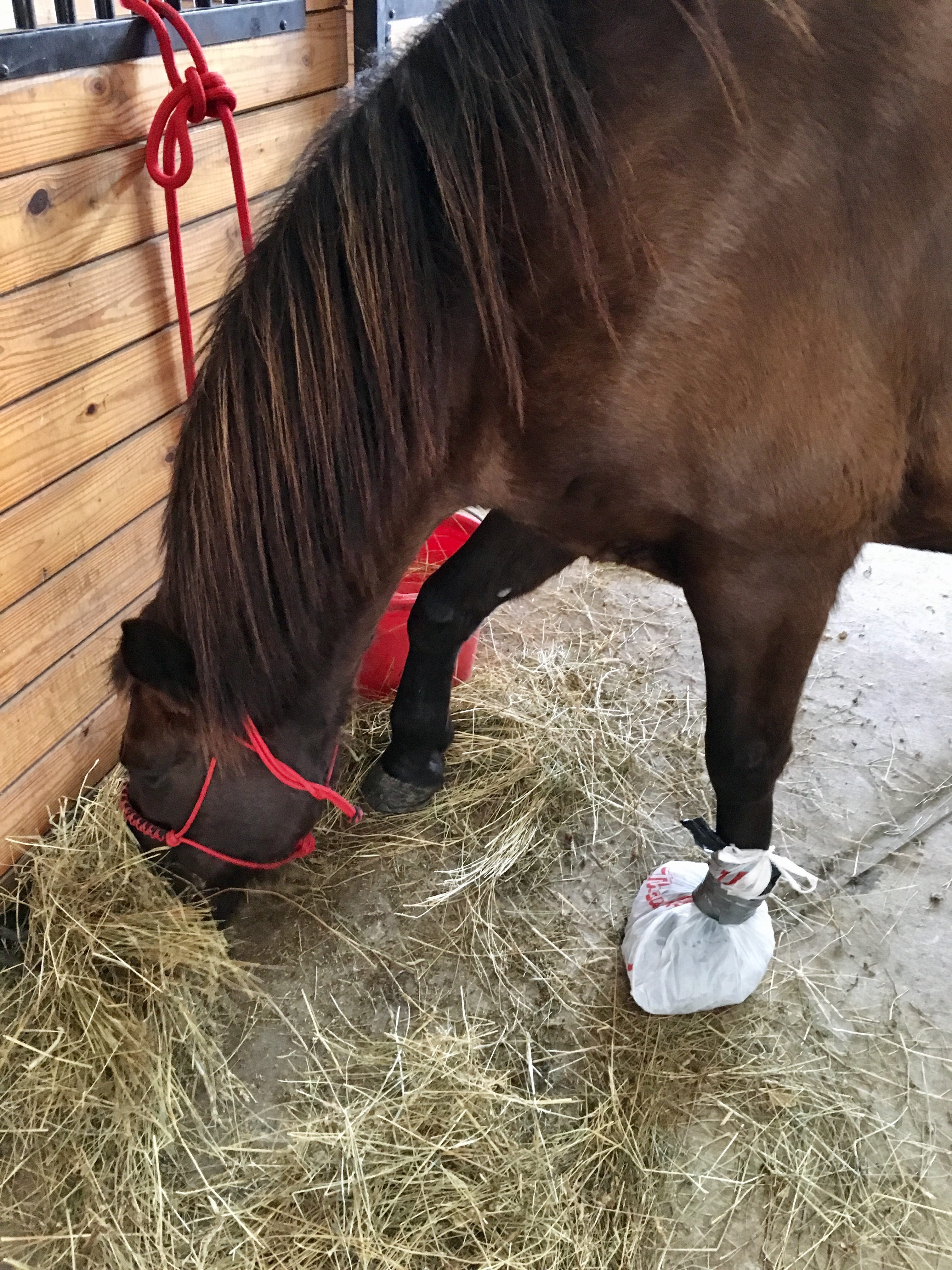
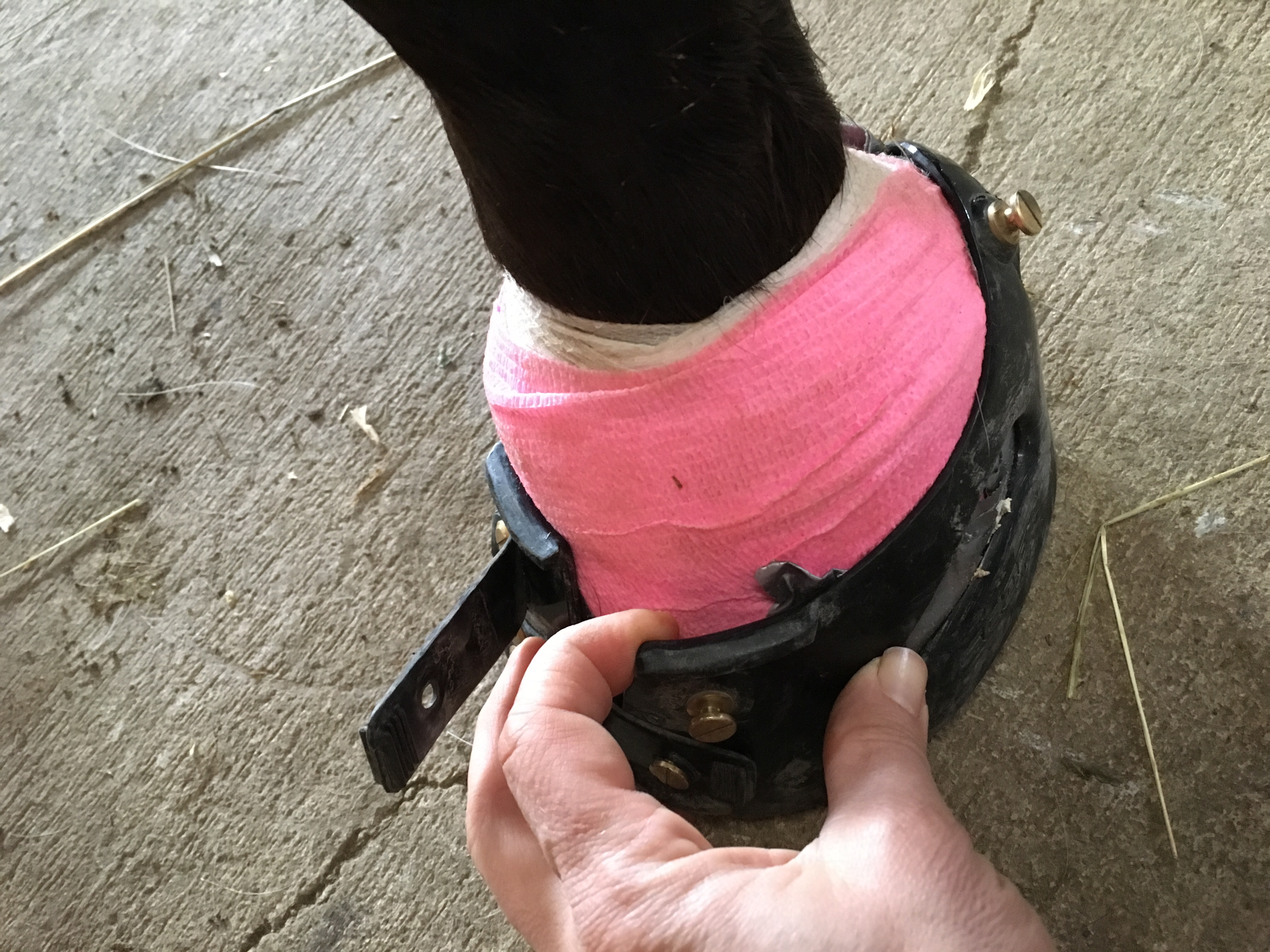
We have wet poultice pads on her foot wrapped in bandage and then in her hoof boot in the field. This should help soften the hoof and draw out anything that might be starting (abscess). She is on butte for a few days to help with inflammation as well as omeprezol (to protect her stomach from the butte). I am also icing once a day. We can’t be certain an abscess won’t brew in there but these things should help offset that possibility. 

Double ice bag
 

Also I’ll adjust my riding/training for a while. She can walk all she wants on tough surfaces without having to trot and we’ll look for easy footing to work on speed. This will help keep her sound while her feet are growing and changing. 

I am also going to send some pasture samples to our extension agent for testing. It’s a long shot but a friend sent me a study regarding horses being sensitive to a mold endophyte in fescue. It’s called fescue foot in cattle and only has been considered an issue in pregnant mares when it comes to horses but some studies are showing that mild lameness can be found in some horses as well. It doesn’t affect all- and there’s another horse on the farm that struggled from a mysterious lameness after coming up there about 2 weeks this fall. They tried various things for a month or two and eventually ‘gave up’ on the horse as they couldn’t get him 100%’sound and took him to another pasture to hang out a few miles away. He got better within about two weeks of leaving. — I know it seems unlikely but at this point I’m curious about anything (and so is Kelly). If we have the endophyte and it’s making it harder for her to stay sound it’s at least something to consider in the equation. 

Another far flung idea that was suggested to me is struggling from low grade sub-clinical laminitis from her years as a feral horse on all the grass one could ask for and only as much exercise as she felt like. The X-rays do not show any separation in the laminae at all and we feel that is least likely at this point. 


I asked it it was ok to put her back in the field. She is not used to or a fan of being stalled though she willingly stayed in last night when she was so bad. Kelly said as long as her field isn’t too rocky she should be ok- I’d like her not to be cantering around like a wild thing especially on rocks and hard ground. 

Nope, it’s grass. 

That should be fine. 

Well. She felt so good that when I let her out into the field she showed me just what she thought of being on pasture rest. And I winced as I heard Kelly say as long as she’s not running around.  

I got a chance right away to redo the bandage. I was worried my hoof boot was too tight with all the layers so I left the top strap off. 


Mistake. After re-bandaging I closed both straps. And she stuck with walking around as well so hopefully tomorrow the boot and poultice is still on. 


So again we hit the field rest button and see how she does when we pull her off the butte in 5 days. 

I told Kelly that today I’d hoped to do our last long ride and leave 10 days rest. She expressed once again that Khaleesi can easily take 2 weeks off before a 50 and didn’t need one more long ride today. 

She’s totally fit for this. 

I have written here that I’m listening to the pleas for rest… I am trying to get that… but TWO WEEKS???? It just seems so much…

I said that I had this other voice that was telling me that I’m going to be asking more of my horse than I’ve prepared her for… and that is unfair and can injure her. That’s my struggle to get past. 

She said she understood. She shared with me her first 100 and how she was convinced that she would be crawling into the finish and dragging her horse behind her. There’s no way they had ‘done enough’ – she’d been in vet school at the time and just didn’t have the ability to do what she thought she should. But in the end she was still holding her horse back at the finish line and he had a ton left over. Because he was ready with a good fitness base- and rested. 

Her opinion of field rest

I am reminded that I can be so hard headed the universe is still screaming at me to understand things. In this case as I drove home I heard it screaming you don’t need to do one more ride. She needs to rest. Jeez, I’m sorry we have to keep doing this to you but you aren’t listening. 

As many have reminded me these animals are great at keeping us humble. A lesson I learn over and over again after I feel I’ve worked and studied and tried my best so we should be ‘golden’. But as my friend Kate reminded me on Saturday- it’s the luck that no one really talks about. Some are lucky and some are not. Sometimes it doesn’t matter what you do and how hard you work and what amazing care you give. Sometimes you get lucky and sometimes you don’t. 

So we’ll keep trying to do our best- and we’ll take some luck if we get it. And when we have a great ride- we’ll also be thankful that along with preparation and training and hard work- we also might get lucky. 

Just getting there

Thursday, February 23, 2017

Cue the suspense music…

After the wonderful glowing report that we were all back on track and looking forward to a fabulous season (barring any unforeseen circumstances) the unforeseen circumstances have come early!

Khaleesi is lame. Bad lame. Like hoping it’s an abscess lame. It does look like it’s in the foot, and there’s some heat in the foot as well. 


I got in touch with Kelly and Brandon immediately and sent video to Kelly- we have an appointment first thing this morning to have her checked out. 

To me it seems most likely this is a product of the same root cause of her occasional lameness. Field rest has always cleared it up in the past but the only way to get a hold of it is for someone to examine her while it’s happening. 

Of course it could also be completely unrelated… but I doubt it. 

It is disheartening to go from great to broken down in just days- but it is heartening to have a team of folks who want to see you succeed: a vet so dedicated she’ll see you on her day off and a farrier who stays in touch and consults with the vet- and says he’ll do whatever we need after the visit as soon as he can. 

In part I hate to even write this post- I feel discouraged and a bit of a failure. I can’t seem to keep this horse sound- it must be something I’m doing wrong. 

But I really am determined to be honest and share the whole story for the ugly hard parts and the glorious success (if we ever get to that!!)

Stay tuned. The saga continues. 

I keep hearing reminders that half the reason they call it endurance riding is how hard it can be just to get to the starting line.  

Test run. 

Monday, February 20, 2017

After the vet visit we had at least a plan. 

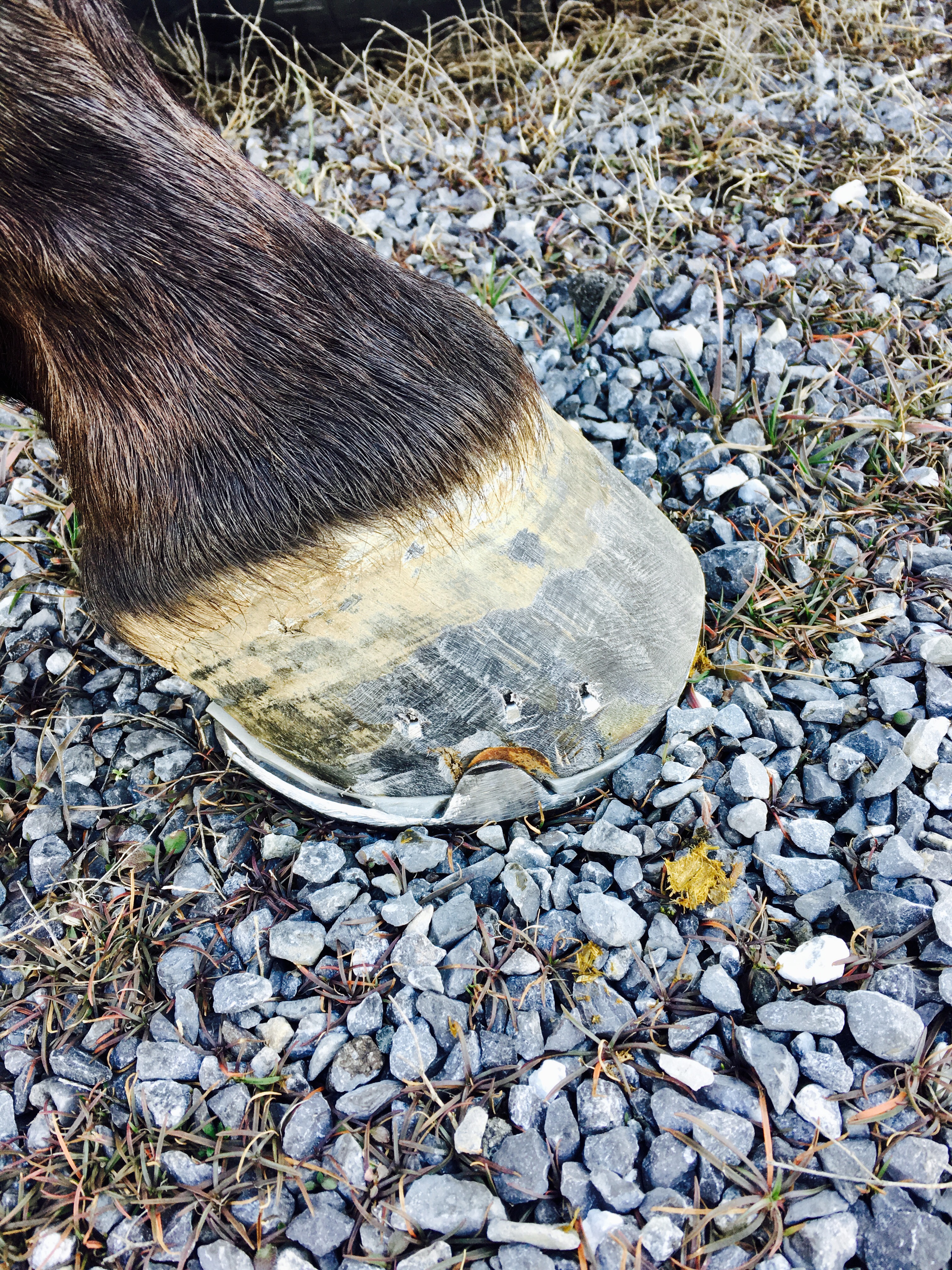
My vet and farrier got together, went over the X-rays and my horse’s history and needs and we all agreed the best way forward is to be in metal shoes and pads for the foreseeable future. This will make her as comfortable as possible 100% of the time to give her a chance to grow some hoof in a better direction. Over time… at least a year… could be longer. 

Khaleesi getting more patient with the farrier each time.

I asked him about the value of pulling shoes for winter and he said it’s common where we live- but then again not everyone is asking what I am from my horse. I guess now even my light riding isn’t really light. Each horse really is an individual. 

Some horses are just not going to do well – it’s genetic. 

Do you have to burn them on? She’s terrible with this… can we do less burning and work up to it this year?

Yes we have to burn them on.  And no. I need a good burn the first time out. They need to fit exactly- her foot needs to be 100% flat with no variations on the surface to cause any imbalance, and she doesn’t grow enough foot to chance losing shoes and having to make more nail holes than necessary. 

We were ready to sedate her if needed. Now that we knew it wasn’t painful due to thin soles, it was a matter of getting her used to the smoke and sound. And I was ok with sedating if that’s what it would take for her to be ok and get the protection we need. 

Bless the man and his endless patience though in the past this mare has dragged his poor body all the way down the barn aisle and also a good way around the front yard (we’ve tried inside and outside) We decided one last thing to try to this visit was in a stall. If she could stop fleeing long enough she may realize it doesn’t hurt and she’s ok. Just as we hoped, she backed herself into a corner and stood still while the shoe burned and with no where else to go she seemed to calm down. The second front shoe went the same way a little easier, and then we were able to do her rear feet just standing in the aisle. 

Shoes & pads

By the end of the session he actually said:

Jaime – she did real good today. Real good. 

Whew

Susan and I rode that afternoon and it was immediately noticeable that she was moving better especially when there were rocks. 

What I needed was a real test- not only of her feet but to see if she truly was still in shape and ready to take on a 50 in a couple weeks. 

A group of endurance ladies were doing a 17 mile training ride not terribly far away; both my mentor and my vet were riding – great opportunity for us. 

She was immediately amped up considering it was a group with 5 mares and 1 gelding. Lots of girl juice in the air… I began the ride with a hello and:

I really try to stay ahead of her- but this mare can kick- so just be aware when passing us and I apologize in advance if she bahaves badly!

I am glad to report success: we rode back and front and middle – passed and was passed – and though she wasn’t always completely happy about it, and there was another little mare that didn’t like Khaleesi’s ‘tude and kicked out at us once (no contact), she did not kick anyone!

🎉🎉🎉

It is amazing how my low key horse who is perfectly willing to walk calmly 6 miles with Wild Heart and really isn’t even barn sour to get ‘hot’ heading home… yet what I see at home as my reliable sturdy get it done but Not particularly driven Metal Horse turns into this competitive raring to go Wood Horse

How did she do physically?

If my heart rate monitor [HRM] is functioning properly then as she’s warming up she runs high. Also I think this is due to situational excitement – new trail, lots of horses… She can get up to 150-180 on a slight uphill warm up trot. 


As we worked she stayed in a comfortable range as we trotted along around 120-130. We did a fair amount of cantrotting because Kelly’s awesome horse Laz trots faster than K can so if we were next to him she’d canter a bit then trot a bit then canter a bit to keep pace. 

The real test was the logging road. It’s 2 miles of climb with great footing around the end of the ride. There were only two of us training for the March ride in the group (others had horses still not yet fit or coming out of big rides and were on easy ride/rest so not cantering) so we all decided that us two would separate for the hill to work on canter intervals and the rest would hold back then walk up the hill. 

The great endurance rider and vet Jeanne Waldron passed along a conditioning ‘game’ to Lynne who has passed it on to me (and I’ll pass it to you!). They take a hill and canter up until heart rate gets to 200bpm then they’d trot (I forgot this and we walked…) to recover to 150bpm then canter again. As fatigue sets in the horses will get to 200 faster, and as fitness increases they’ll take longer and longer to get there. 

Off we went with the two mares who eagerly began to race up the road. I watched my monitor and was surprised at how long it took before we got to 200bpm the first time. She would hold out at 185-190 then drop while cantering to 170… keep running girl… back up until finally hitting 200. 


My data shows:

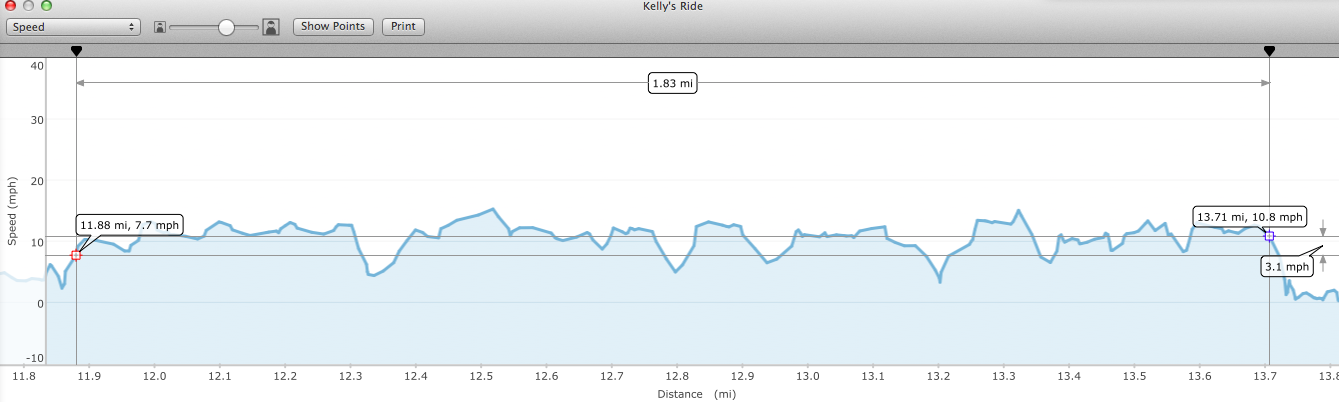
  • for 2’40” we cantered at an average speed of 10mph for 1/2 mile with an elevation gain of 170 ft before she hit 200. We slowed to a walk for 9 seconds to drop below 150 bpm then picked up the canter.
  • Next leg: 2’14” for .4 mile at 11mph average elevation gain of 166 feet. Walked 23 seconds to recover. 
  • Next leg: 2’16” for .4 mile at 10mph average elevation 155 feet. Walked 10 seconds to recover. 
  • Last leg to the top: 2’55” for .5 mile at 10mph average with an elevation climb of 187 feet. We stopped at the top not quite up to 200 bpm. 

Speed graph of the uphill canter

Just standing and some walking around up there waiting for the group we dropped to 64 bpm in less than 6 minutes. 

This was a good sign. She was way more fit than I’d thought she’d be. We had an easy 2 miles back to the trailhead for just under 17 miles at a respectable training pace. 


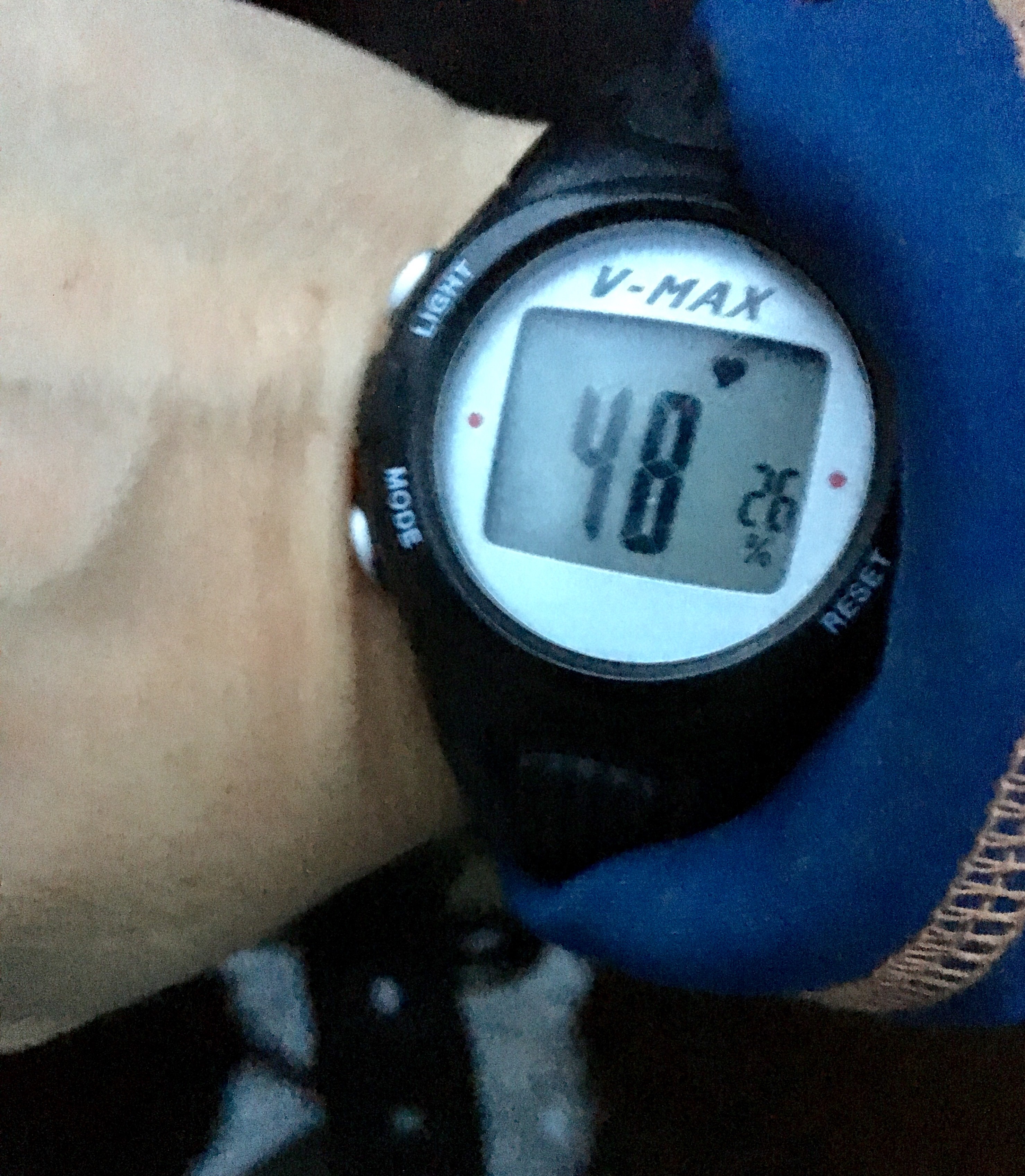
She dropped to 48 before I even had her saddle off. 

Lynne asked me more than once if I learned anything about my horse that day. 

As I thought that over I learned even more how competitive a spirit that little mare has – I’ve seen glimpses of it but boy did she show up ready to ‘win’ that day! 

Even though we purposely spent a fair amount of the ride in the back and she settled in there and did fine- she really wanted to get up front. She wanted to lead- in fact the girl we took off from the group with said she didn’t know if her horse would go, that her mare may not leave the group.

I assured her she would when mine started and true enough. I knew Khaleesi was more than happy to canter off and run on ahead. And that little mare picked up and ran with us without hesitation. 

I also learned once again for myself that the endurance rider drumbeat of rest rest rest is just as vital to success as they all say it is. I’m just as amazed at what these horses are capable of- long distances at speeds and multiple days of it, and the secret isn’t nearly as much in the training as it is in leaving ample recovery time. 

I used to feel guilty as a trail rider not to be on my horse keeping fitness 4 or 5 days a week. Now I see that probably didn’t build fitness but actually can break down fitness. Of course we did a lot of walking and that helps – but now I understand that to really have a fit horse the best plan is to start slow 3-4 days a week for a while (a couple months) then to increase fitness you really need to get some longer intervals of speed worked in. And then once the conditioning base is there it’s better to ride a good long ride once a week and one or two smaller rides and leave them be in between. 

Yes I hear this all the time but it’s so opposite everything I thought before- and it’s contrary to our human experience.

Many endurance riders are also distance runners and they often remark that just a week off training changes their fitness drastically but a fit horse can take a month off in a pasture and come back still about the same as they went in. 

It’s not the same- humans to horses

So the more I do this the more that truth goes from something I’ve heard and get in my brain to something I truly believe and have seen with my own experience. 

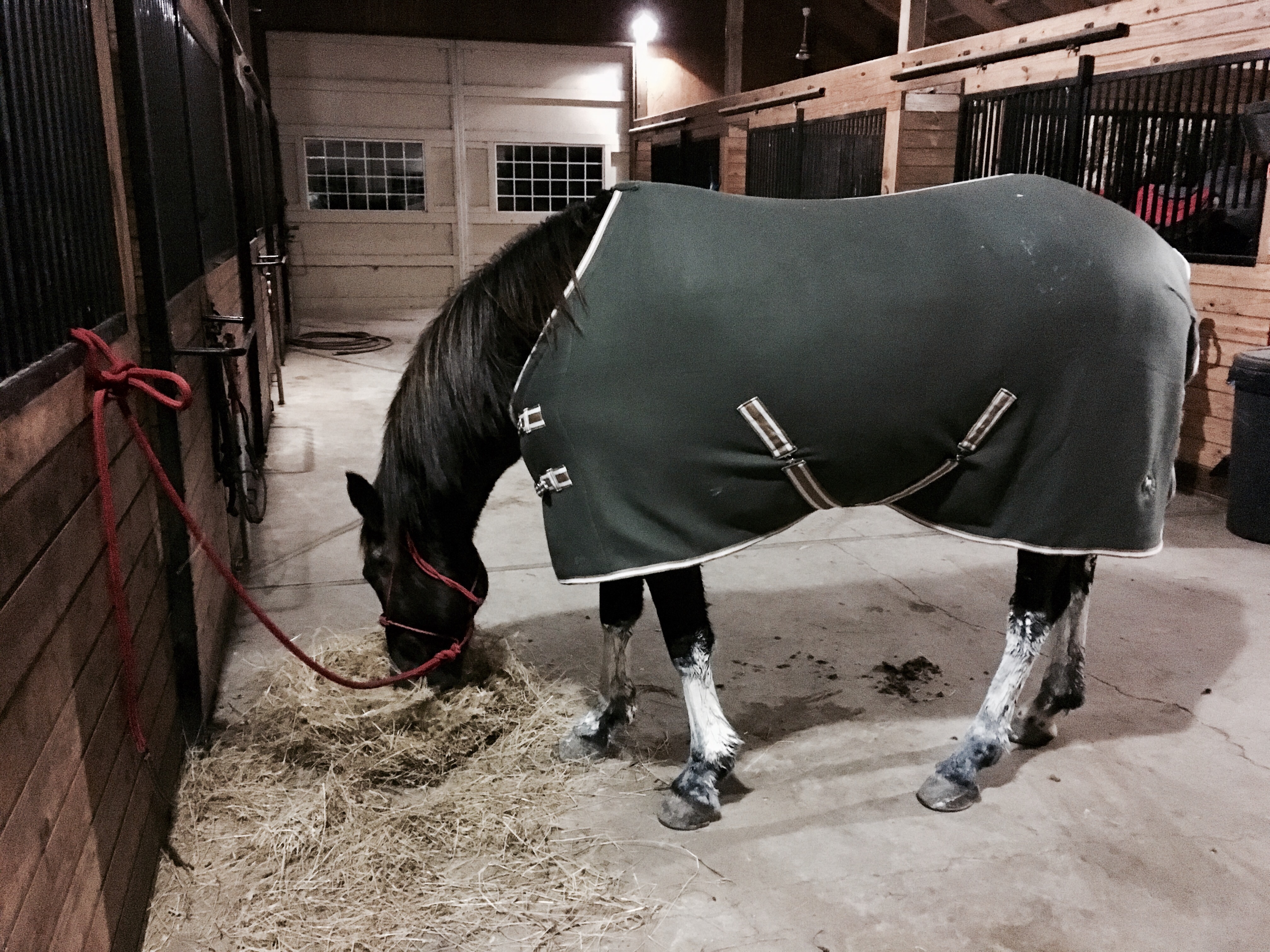
After the ride I rubbed a poltice on her legs because it couldn’t hurt- this was more distance and speed than we’d done in a while. This was the kind of ride that could cause some fluid build up. Then I put her fleece sheet on because she was damp (though not nearly as sweaty as I’d have thought) and we had a long drive home and the temps were only going to drop. 

Back at the barn snack before I took off her blanket and turned her out.

When I turned her out at home she was awake and didn’t seem at all tired. She trotted right over to take a big drink before a roll. 

The next day I visited to wash the clay off her legs and see how she was doing and she was completely sound and her legs felt cool and tight. She was her bossy self insisting to be fed first and chasing Wild Heart away from the fence area where her food dish waited empty for me. 


I’m pleased. She is ready for an easy 50 to start the season. Kelly thought she did great, that her feet looked good, and said if all goes well we should try for a two-day 100 late in the season- maybe fort valley. 

Never know what will happen as the year progresses, but for the moment I’m feeling pretty good about this year!

Here are a few more pics from the ride:

Unnatural horsekeeping: Vet day 2017

Sunday, February 12, 2017

I always love vet day!

It’s a day where instead of bugging your vet friend with questions they can only vaguely answer- you (gladly) pay for them to hang around the barn as you pick their brain about anything that’s been curious to you about your horses all year…


I always have a million questions.

It’s even better when your vet is also at your endurance rides, has ten years of competing and riding experience, two fabulous endurance horses herself and understands the challenges and ins and outs of the sport we’re trying to participate. 

Wild Heart got her first dental visit and Kelly found one remaining wolf tooth along with some hooks and points to file down.

For the non horse owners: horse’s teeth continue to grow most of their life… they get worn from constant grazing in a way that over time  can mean sharp edges and ‘hooks’ this can be uncomfortable while being ridden, it can make their jaw get kind of stuck (hooks) while eating (also uncomfortable) and they can develop ‘waves’ where their teeth don’t meet correctly all the way through their mouth making it hard to grind their food well and get all the nutrients. 

No. Horses in the wild do not see a dentist. However horses in the wild don’t usually live to 20 years, and they aren’t asked to carry riders around, and they’re much less comfortable in their head-jaw-mouth than one who gets dental care. 

The wolf teeth is a little bit like a human’s wisdom teeth. They are in the back of the mouth, aren’t really necessary, not every horse has them and they are in a place that can get clunked by a bit which is a big reason to have them removed. 

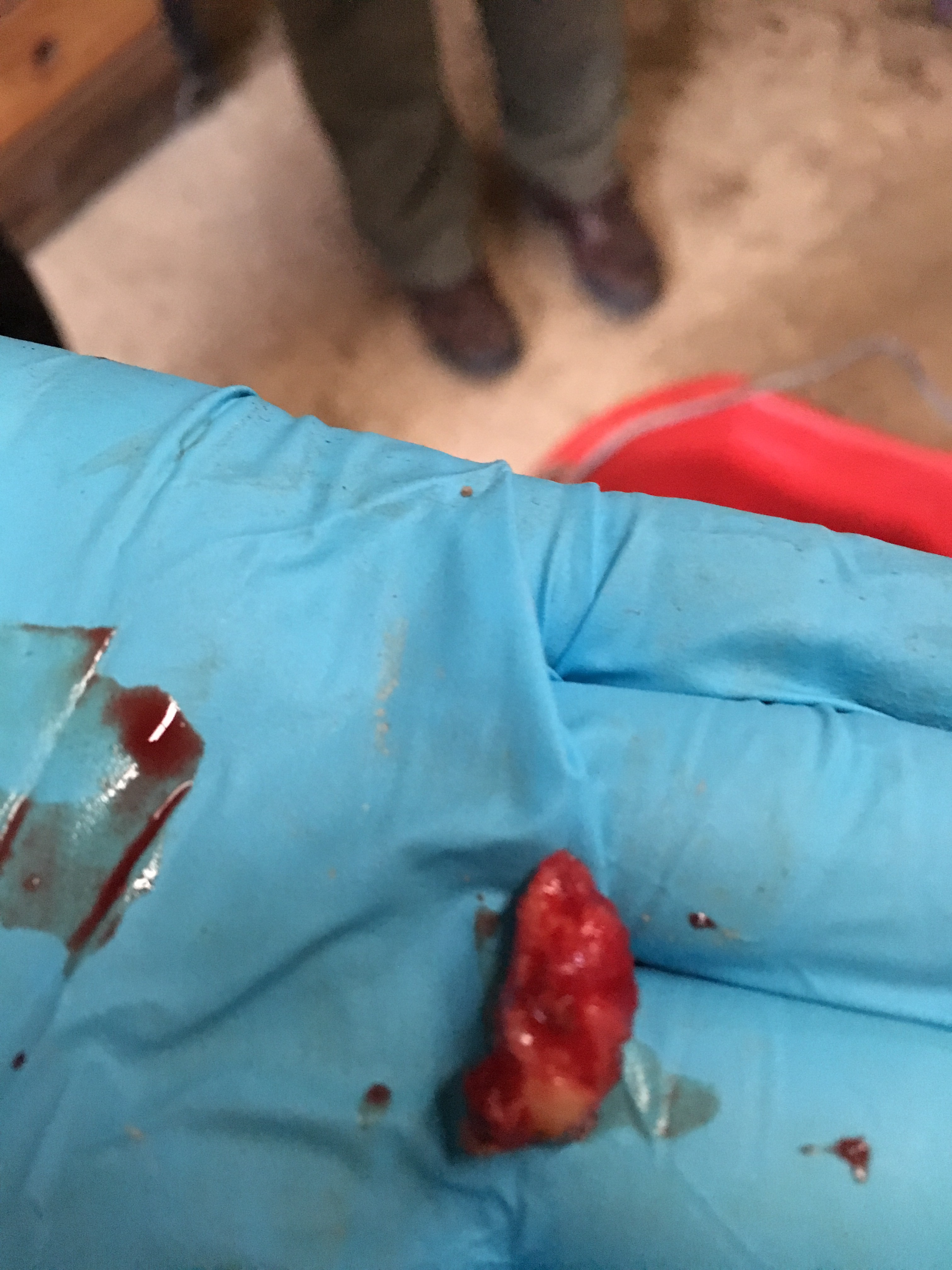
Heart’s wolf tooth

Wild Heart was ok at the walk with the bit but would toss her head the day we started to trot. Though it could have been a handful of reasons- wolf teeth were my first guess and the easiest to solve. So it was good to find one! … and remove it. 

Khaleesi is at the early stages of what I hope will be a long successful endurance career (including Tevis someday if we are good enough and lucky as well) and young enough to still be developing. As I get one thing down another needs attention to ensure she’s at her best and I’m doing the best to keep her healthy in a rather extreme sport. 

My biggest concern for her last year was saddle fit. Now that we have that going well this year is the hoof puzzle. 

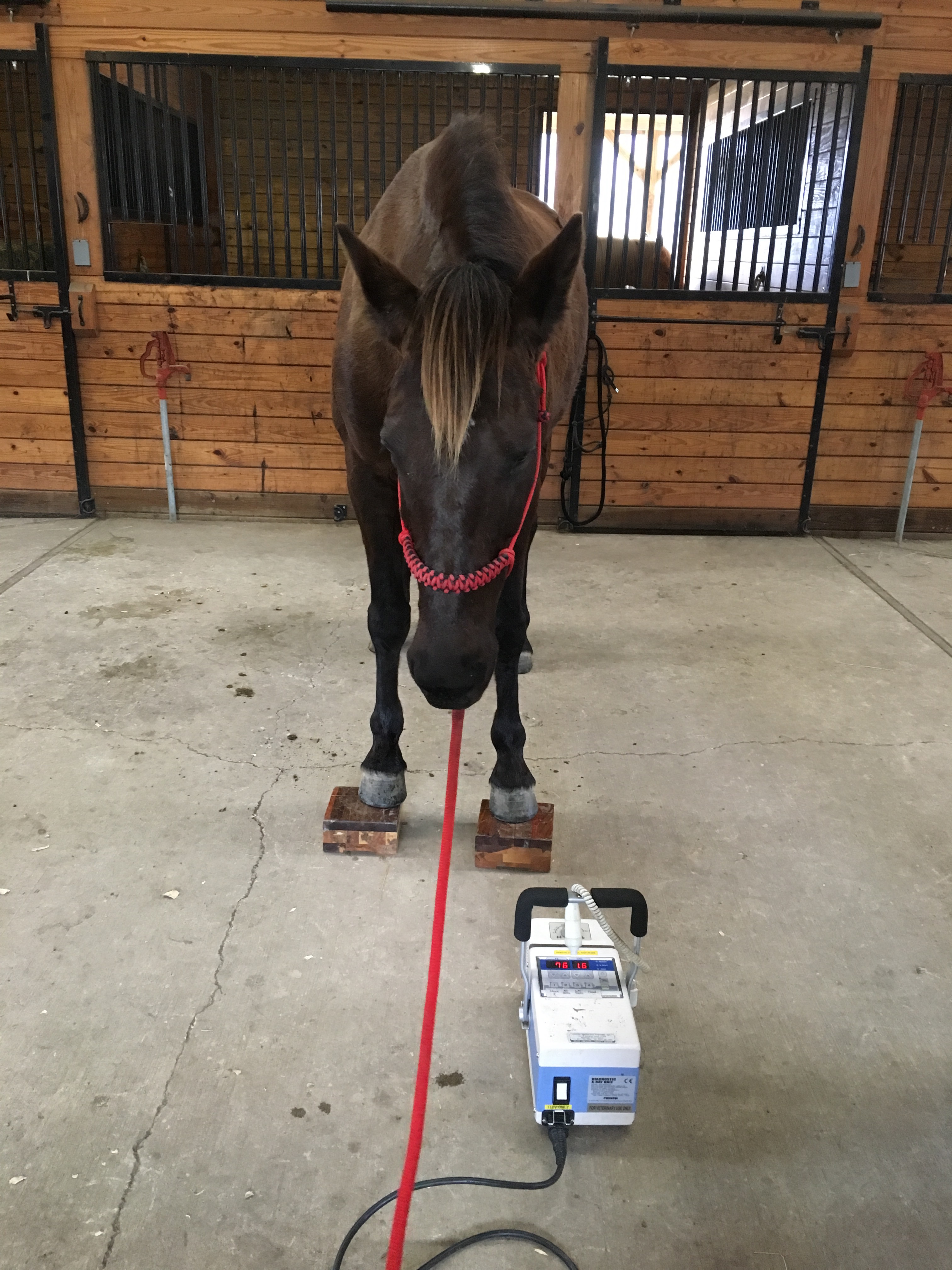
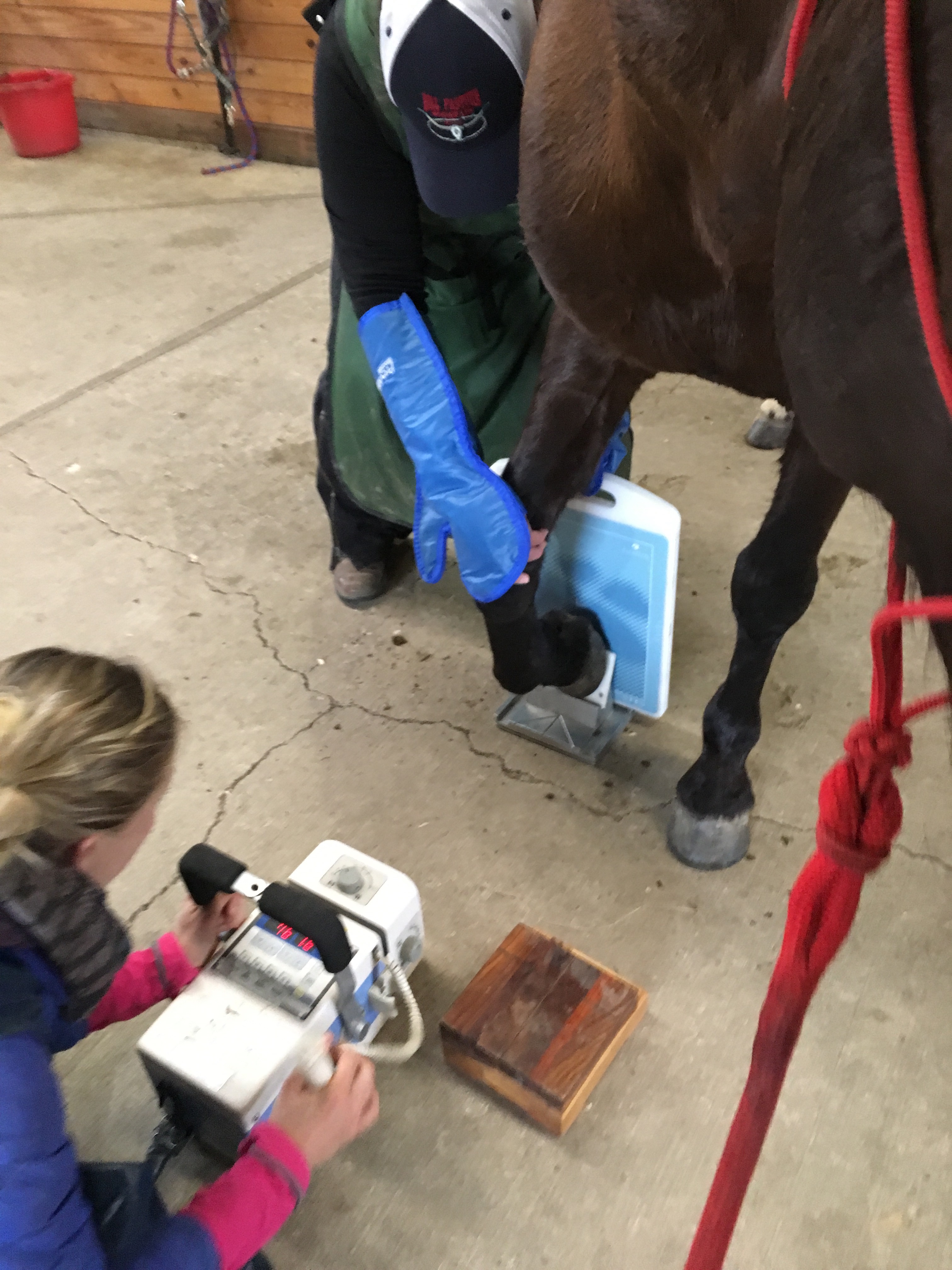
I asked them to bring along the X-ray machine because I felt after two years of educated guessing and trial and error it was time to get some better data on why her feet are just not quite right.


I picked her up as a 4-yr old July of 2014 basically feral. I didn’t think much about her feet at all- positive or negative. When I began ponying her on my wooded trails I used to call her the anchor because she was so slow – not even carrying a rider. 

The anchor back in her pony days

Over time (about 2 years) the more I protected her feet the better she would do. First hoof boots helped, but they wouldn’t stay on. Then metal shoes- she increases speed and willingness. Then we add pads and she’s really doing well. At the end of last season I opted to leave the pads off- I saw them as extreme for the super technical rough riding like the Old Dominion, but not necessary for ‘normal’ rides. 

This brings us to the Iron Mountain ride in August where I pushed her through 50 miles – with a lot of rocks and hard surfaces- with metal shoes only. I thought she was being obstinate (we didn’t always have company on the trail and I struggled getting her to leave the vet check alone both the 2nd and 3rd times). I pushed her to go and she grudgingly did, but it cost her. Finally I got the picture and on the last 15 miles or so we walked every rocky patch and trotted when we could on soft ground. 

Her feet hurt. 

Thankfully early that morning, the best wooded footing, and cool weather we’d breezed into the vet check quite accidentally with the top 5 riders. So even walking much of the last loop we still finished in plenty of time. And we were given a gift of finishing because though my horse wasn’t lame – she was hurting. I was pretty sure we wouldn’t pass, and with the pain in her feet her heart rate would rise and wasn’t coming down enough. That day it was like she knew what to do and we got into the check and she trotted out the best she could on the hard dirt and her heart rate fell enough to be sufficient. We were given a “C” due to ‘attitude’ and ‘gait’. To be lame it is able to be attributed to a specific leg/foot. She was just a little off all over as if she was pretty exhausted. The vet wondered if we should have electrolyted more- I won’t say that isn’t a factor. But now I really know: it was her feet. 

I learned a lot that day. 

After iron mountain… her feet were super sore.

She was a walking disaster for a day and I felt terrible. Then she took a good 2 weeks of pasture rest at home before she was completely back. 

It was her feet. 

She is not regularly lame, but there have been times she’s ranged from not quite right to actually lame and now I look back and am fairly sure it originates in her feet. We don’t find heat or swelling in the legs or shoulder. She heals up with a couple days or a week of pasture rest. The boots are not enough, and shoes alone are not even enough. 

What’s going on?

My readers may recall that a social media group took a look at her hoof photos and said her feet are too long/narrow with her heels not supporting underneath her body enough (especially barefoot). 

Wait? Why is she barefoot?

Because I have always heard that 

  • #1 it’s good to give horse’s feet a chance to ‘rest’ and get a break from metal shoes. That shoes can constrict growth and expansion/contraction that is good for the hoof. 
  • #2 we usually get enough snow here that accumulation of ‘snow balls’ in their hoofs which is more likely with the metal shoe can cause some damage – also I like to ride in snow!
  • #3 it’s ‘off season’ so she is in lighter riding and more downtime anyway, so pull the shoes and give her feet a break. 

Problem is that I can’t ride her barefoot, so I need hoof boots. And at first my hoof boots always came off because her hoot is a long narrow (not really balanced shape). Besides that I’ve found even with the hoof boots on she is still sensitive to rocks. 

So this winter I filed back her toes. Her hoof angles are more correct now and structurally can support the concussion better – but Kelly believes she has a small foot proportioned to her body and now that I made her foot even smaller by filing back her toes (which was probably a good thing to do now in the down season) she has less surface area to disperse the impact. 

Feet right after shoes pulled in December
After my regular amateur hoof filing to bring her feet more underneath her
 

This means though she’s not pasture lame- it will help her to have this support  even in the pasture for now while we get her feeling good, repair concussion damage, be able to move comfortablely and grow some hoof mass in the right direction (down underneath her instead of out in front). 

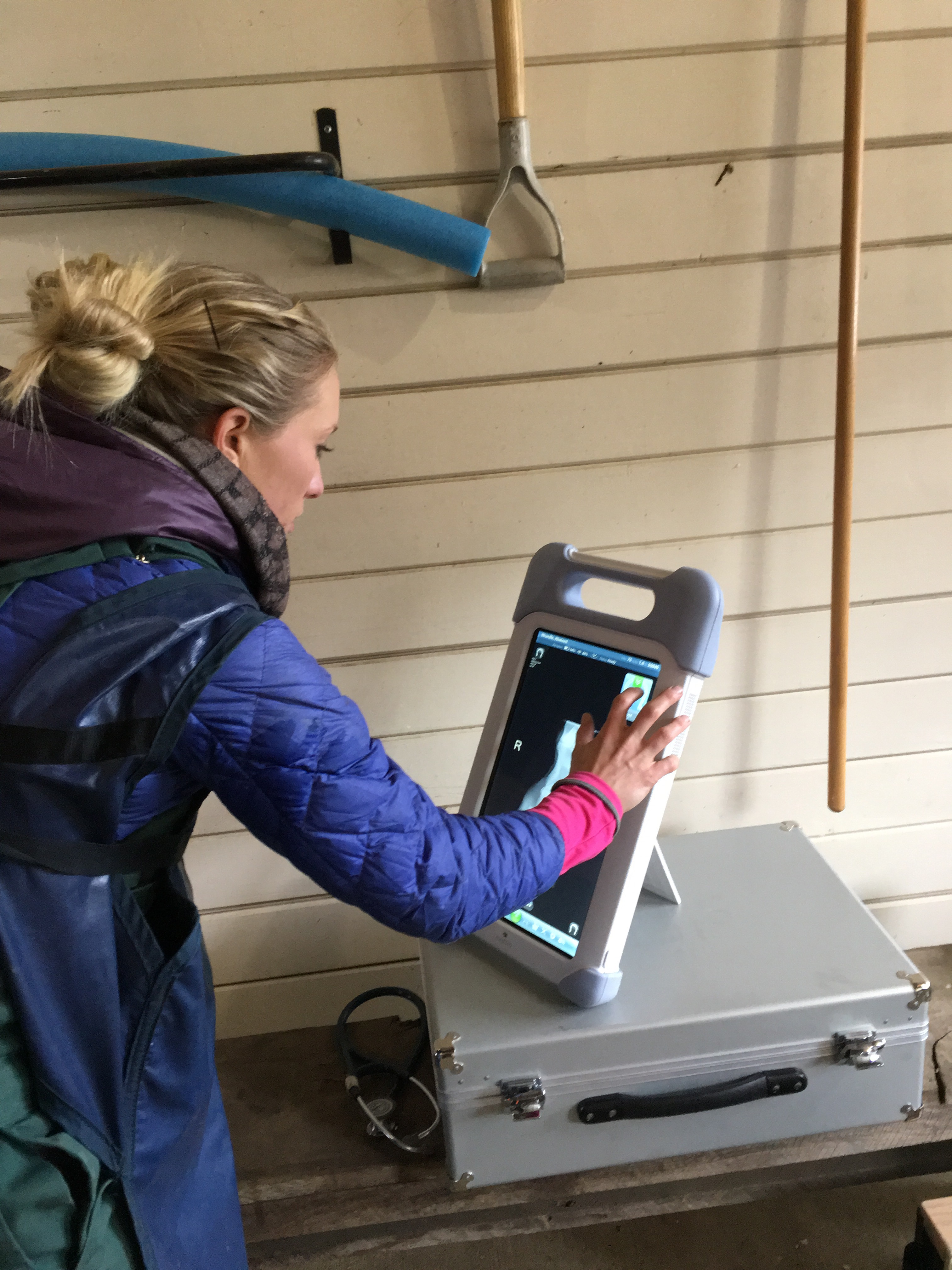
The X-rays gave good information. It was super cool to have it done!


Thankfully there’s nothing of great concern and she has enough sole depth that thin soles (what we thought could be the cause for sensitivity) is not a concern. 


Her bone structure (especially from the filing I’ve done to pull her toes back under her) is looking good overall. She seems to have a slight difference in bearing weight to the inside on her left hoof so we’ll keep an eye on that as well. 


There is a slight trace of early pedal osteitis starting in her right coffin bone (in the hoof). It’s reversible and not too bad yet so we caught it early. This is from concussion damage and I wince to imagine how much of it was due to the iron mountain ride. 

The best thing we can do now is get her back in shoes as soon as possible and always always use pads for now to give her good heel support and ‘shock’ relief. 

What you don’t know. What there is to learn… one reason I’m in love with this sport. I have learned a ridiculous amount in 2 short years of endurance. 

No. In the wild horses don’t get to see a farrier. And there is a pretty vocal group of ‘natural’ horsepeople who say that all horses can and should be barefoot with a proper ‘barefoot trim’ in order to be healthy. I’ve been told that metal shoes is one of the worst things we do to our domestic horses. 

As a recent article reminded me horses in the wild – who normally have the best feet because the ones without have been taken out of the gene pool- actually have pretty widespread occurrences of laminitis and hoof pain problems in a recent study. And last I checked horses in the wild aren’t expected to race through 50 or 100 miles in a day at speeds greater than a walk. 

That being said Wild Heart genetically has those amazing wild hooves that will probably not need a lot of protection depending on what we ask of her.

Khaleesi though basically feral is human bred for many things with hooves being just one component and no paddock paradise is going to get her sorted out without some help along the way from a good farrier and some shoes. 

I suppose another thought is that I’m just not willing to take two or more years to not work her and revamp her feet during the prime of her early career in hope that they will come around with trimming, nutrition and pasture test… that can’t be the best answer for her all around.

So if your horse does well barefoot with occasional protection (like Faygo) then great! But what I learned about K these past 2 years is that she is not better off without shoes, in fact they will help her longevity and comfort for the time being not to mention be an important tool in correcting the issues that her ‘natural’ hoof for years living ‘wild’ contributed to. 

Speaking of hoof boots…Until the shoes and pads… I thought I’d try something on my own. 

Iva helping me cut a pad out of an ergonomic foam kitchen mat

I rode a short 7 mile ride over the weekend and experimented with making my own hoof boot pads. They didn’t seem to make a big difference in her taking on the rocky sections, and added weight to her front legs (minimal but the weight on a foot is exponential compared to weight carried on the back. Just a few ounces on a foot can equal pounds carried balanced on their back). She was less coordinated if anything and not noticeably faster. 

Upon returning home I pulled the pad out and her 1000 pounds had completely flattened the ergonomic foam. Well…. ok. 


Kelly and my farrier have conferred over the X-rays and agree on the game plan and shoes and pads are going on tomorrow to get us back on the trail.  I always appreciate how much my farrier will do to keep his horses competitive and in their best hoof health. I never expect him to drop everything and come running but he always finds a way to fit us in when we need him. 

We are planning a long ride Saturday with some friends that will be more challenging training buddies (100 mile horses). 

Sometimes it seems that 100 is an eternity away for us. 

Spooky

Monday, February 6, 2017

I’ve been thinking about (and talking to Susan about) how sensitive to her environment on the trail Khaleesi is and how interesting it is to me to see that seem to increase over time when I would have thought it would decrease.

Then just the other day I read an AERC page question about what to do with a nervous horse and decided it might make a good blog post. 

We often call this spooky in the horse world and I looked up the definition: a person or animal that is easily frightened or nervous. 

Then I looked up sensitive: quick to detect or respond to slight changes, signals or influences. 

I think for Khaleesi I prefer the second definition. I don’t sense she is in fear and she’s not a nervous horse. However she is particularly alert to changes and energy and boy sometimes she can react fast to them as well!

This has been interesting to me to observe and consider. My first horse – Faygo – is just about as unspooky as you can get. She’s been there and done that and there is hardly an animal she wastes a moment of concern over. (um- except sheep… she is terrified of sheep)  


She will occasionally fret a human thing in a natural landscape (a folding chair on the trail… an old camper in the woods). I would say on the whole she was ‘well desensitized’ in her training.  

This makes her safe for almost anyone to ride- safe is good, especially for a green rider – which I was when I began riding her. 

I wanted to say she still is sensitive but the more I think about that…. I’m not so sure I believe it. 

The woman who did the bulk of her trail training and is responsible for helping create the very very fine fabulous Faygo talks about how she had to use a pretty harsh bit to keep her from running away with her at first. She can sometimes be barn sour to this day and it takes a lot of work to keep her mind with you and not ignoring everything you ask to just GET HOME. At times it takes a very firm hand to get her ‘back’ to you. 

She is incredibly smart but she’s the horse out of the 3 I have to remind about leading 100% with me. She understands but occasionally just doesn’t want to cooperate with humans and she’s the horse who often won’t take the ‘good deal’ (She likes to push her limits and it takes some volume sometimes to get her to cooperate) she gets irritated at times and just wants to ‘get it done’.

The more I consider it, the more I realize she’s not particularly sensitive. 

This doesn’t mean she’s not a great horse. I love her deeply and she has amazing strengths and a huge heart – there isn’t a mean bone in her body. And she always looks like she stepped out of a fairy tale. 


I don’t know what her life was like early on- but I know she was a breeding mare for a while and I’m not sure anyone early on took the time to connect with her, or if they just forced her into doing what they needed for expedience and she kind of learned to shut out humans and well- get it done so they would leave her alone. 

I’m glad my friend saw such potential in her and put the time in with her as she is a special horse and one that has taught me a lot. 

So that was the bulk of my horse experience. 

Enter Khaleesi- who I decide to build from feral to reliable trail and endurance horse because I want to learn how, see if I could do it, and have that connection.


I wanted a horse no one else had spoiled, treated too harshly (shut down), ridden too hard too young… traumatized (trailer… stall… farrier you name it)… or even overly desensitized. 

So here I am trying to learn the very fine lines between safe and shut down… between listening to them and letting them take over… healthy respect and fear… and as it turns out spooky and sensitive. 

I honestly don’t remember her first year on the trail as being one she was quite so ‘in tune’ to the energy of the woods. However there is a heavenly section of trail that always has beautiful footing, flat and scenic along the river that I love to trot and canter. This is one place I began to notice a gradual increase in her reactions to environment.

I remember a time when we’d just float happily through. Carefree. 


And over time I started to notice she was on a higher alert there. It makes sense: there is the river on one side and thick brush on the other with occasional campsites just beyond. It is certainly a gauntlet of energy and activity as all kinds of animals cross the path from river to shelter, some using the campgrounds for foraging anything dropped around and sometimes fishermen in the water. One time we even had a deer jump out in front of us from a thicket (this was not what started her behavior here it was somewhere in the middle of the timeline from when it started till now). 

Sometimes her orange alert status makes the ride a little less fun for me- there are definitely times when the woods seem more ‘alive’ with changing weather, time of day or gusty winds – but I’m not afraid of her. 

I’ve been cantering along with friends (different trails entirely) when she put her head down- saw a boogeyman in the thick brush and jumped across the trail mid-canter. I laughed out loud because it was so surprising but was over before I could worry. I never felt unstable. 

It’s now normal to have a nice ride- alone or with friends- and have her trotting along and jump sideways at something mid stride and keep on going. To have her checking out the periphery and moving her ears to sense what’s out there. We’ve spooked grouse and turkeys close at hand- she stops short usually but we’re always fine. 

She’s not usually afraid (once or twice I have dealt with actual fear and moved through it). She doesn’t turn to run, she doesn’t mind moving forward, and neither of us is nervous. 

So I would have thought that with the amount of riding we do in the woods, often the same trails, that she would ‘desensitize’ and become more like Faygo is. Yawn: deer, turkey or bear… who cares. 


But I feel over this year she’s become more aware and alert to the woods rather than less. And that has raised some questions for me.

Is this bad or good or neither (just is)?

Is it something I’ve encouraged or just how she’s built?

Our relationship has been improving every month recently. I sense we are more connected than ever and she knows I listen to her without turning over control. 

Is she more communicative because she knows I’m listening? Giving me more information?

Am I not aware enough in her mind so she thinks she needs to be?

My general approach is to acknowledge when she’s in alert mode

Yep- what is it? Deer? Squirrels? Birds? I’m pretty sure we’re fine. 

And then just go on riding with calm and relaxed body and breathing. 

Am I giving too much thought and attention to it?

I sense animal energy in the woods – and Jaime seems to notice it too- I need to be concerned!

Or if I ignore it completely do I encourage her to get ‘louder’ in her communication?

Boy she is so unaware up there I’d better really make a big deal so she know what I know about the animal activity going on around us- I don’t want her to be taken by surprise!

And finally is this part of keeping the sensitivity and life in my horse? Which I do want.

I love that generally I can ask very quietly for something and she is already in tune to me so I can think something and she’s already sensing what is coming. Unless she’s distracted I don’t have to use much body language to get her working with me. I consider that sensitive. Does keeping that door open also mean she’s more sensitive to the environment around us as well?

I did try an experiment the last time we trotted the ‘gauntlet’. Instead of being aware of her attention going every which way around us, I was proactive. I began to go through a mental list of my riding and cycled through these thoughts:

  • Am I soft in my body and joints? Am I holding tension anywhere? Am I breathing? Can I melt into the saddle more and be one with my horse?
  • How is my position? Am I balanced and my seat contact correct? 
  • Is my heart in it? Am I here 100%? Present?
  • How am I carrying myself? Am I helping and encouraging my horse be able to carry herself well?
  • Are we connected? Me and she. 

All those things impact how my horse moves and carries herself. My body mirrors and affects hers. If I brace she will brace. If I am soft she can be soft. If I am unbalanced she has to compensate. 

It was one of my favorite miles ever. She was a little less occupied with the environment and more connected to me. I felt changes in her as I checked myself. I felt her carry herself with more power. 

I was proactive instead of reactive.

I will definitely use that concept again. 

For today I want my horse more sensitive to me and not necessarily desensitized to everything I can find. 

First you just can’t truly desensitize to enough situations and having a bond and trust are far more valuable to take with you into the unknown. Second I don’t want to kill her instinct, quickness, energy and responsiveness but I do want to encourage her to think first before fleeing especially if I’m on board. 

I also believe in some cases desensitizing can break the trust and relationship when it overwhelms the horse and gives them no escape. This is a concept I’m curious about called learned helplessness and having no ability to get away from something they are terrified of – the only option they have left is shutting down to cope. Problem is it can look like success.

I also would say there are horses more truly spooky than others, some horses are more nervous and worried. Some people may argue over the split hair of spooky and sensitive as either way it can be disconcerting to ride a horse who makes sudden adjustments while motoring down the trails. 

This is something I’m still observing and sorting out. So feel free to comment your own experiences!

Heart: the puzzle

Saturday, February 4, 2017

It’s February. 

So far Khaleesi is on track for 50 miles at the Blackwater ride on March 5. We’re picking up miles with at least one 10-15 mile ride per week and she’s stayed sound. Saddle fit is doing great with my old pad and we even have boots that seem to be staying on (knock on something!)


Though we have a tentative goal to get Heart to the Blackwater ride as well Susan and I are just not certain if she will get there or not. 

She is coming along amazingly well however there are a few things we’d like to feel confident about before we load her up:

  1. She’ll ride on the trailer. Yes- I can get her on, but she doesn’t like the confinement of having the divider in and I have not yet closed the door on her in there. 
  2. Susan feels comfortable riding her solo. Susan rides alone in the arena, and hand walks her on the trails solo but the solo ride is still in the works. 
  3. She understands and accepts electric fence confinement.
It’s not impossible these requirements will be met, but it’s not a given- especially the trailer.  

Being a wild mare has advantages- she is amazing in the woods like she’s lived there all her life (she was wild on the range for her first 2 years which is a major plus).

  • Cross the river (check) 
  • drink from a puddle or creek (check) 
  • navigate tricky footing and downed trees (check check) 
  • realize other animals live out here too and you don’t need to worry (check). 

I am amused reading back to an earlier post where I mentioned there were some basics that are good to have in place before trailer loading. Which one had I neglected?

The confined spaces one. 

😏

So here we are. I love to look at these steps like a creative puzzle to solve- how can I get her working toward what I want in a way that doesn’t force or cause her stress: we always keep the relationship as the center. 

It’s a puzzle for me to create a puzzle for her. As Buck would say- you sort of set it up for them and let them do it. 

2-part plan for getting her comfortable on the trailer:

#1 the hay hallway

We created a hay hallway to walk her through in the barn so she can begin to feel closed in but still have an escape route. She’s ok with that so far and we also back out of it without (too much) trouble. Eventually the hay hallway will be taller and closer in and then we will not walk all the way through but close the door and have her be ‘ok’ in the small space. 

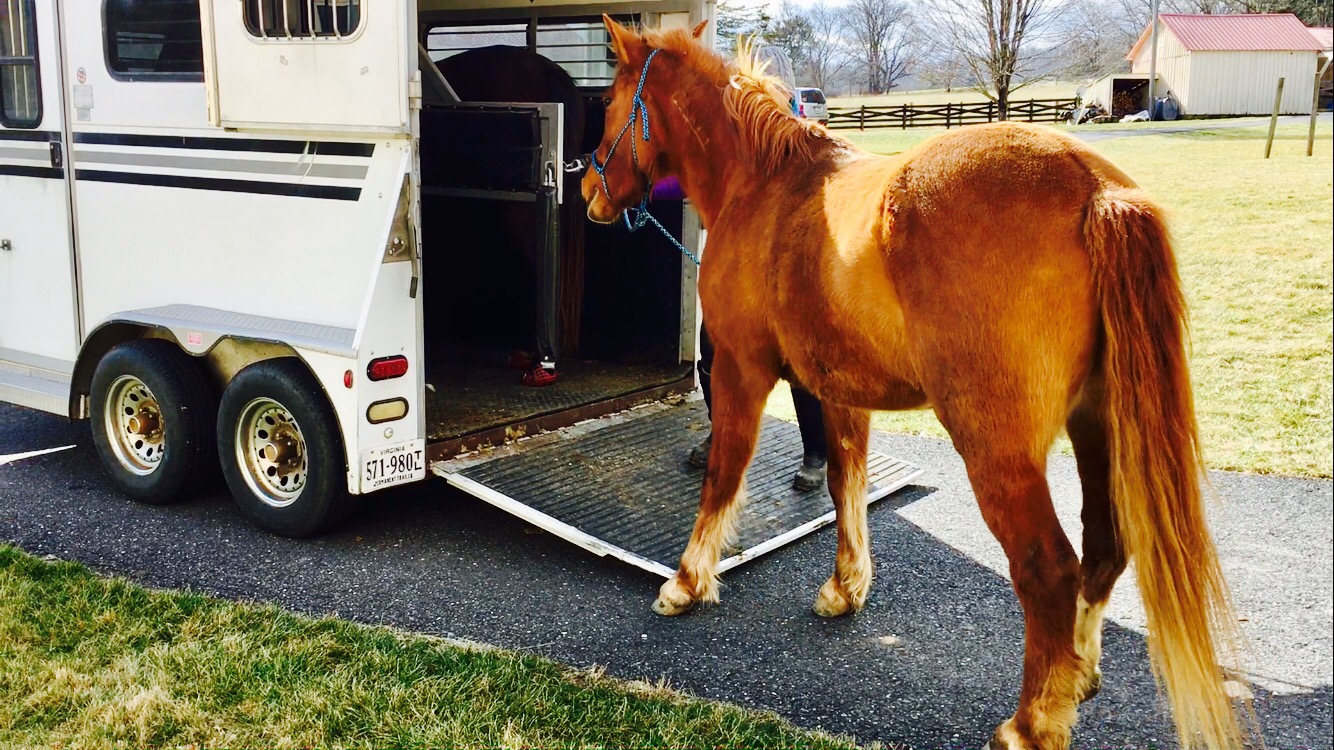
#2 Feeding on the trailer 

I’m not into horses working for their food or using treats to train. Doesn’t mean I think no one should but it isn’t generally in line with what I am trying to do. 

That being said I starting looking creatively at how to get her comfortable on the trailer and decided in her case feeding her there might be a multi-prong solution. 

Most importantly food on the trailer has made getting on the trailer ‘her idea’. I will always believe this is best practice if you can find a way. 

Today I didn’t ask her to load at all. I put her food right inside the ‘box’ and she walked up and took a few bites. Then I asked her to back off the ramp and moved the food in a few inches. She was dying to get back up there. 

It was her idea. 

I let her come up and take a few more bites then backed her again. 

Moved the dish a few more inches. 

She came right up but now had to stretch a little more. She still was willing but it wasn’t as easy. 

Back up – once more. 

I put the bowl in the center. This means she really can’t reach it without two feet inside the box. 

I believed this was harder for her to accept but not too much pressure for her to work out. 

Then I got in the trailer and watched. 

It was fascinating to see her WANT to get on the trailer but feel like she wasn’t sure she could handle it. It put me in a different role- one that helped her instead of forcing. 

Now it was a puzzle that she could solve and I watched her work it out. 

Sometimes she came up and ate for about a minute or two. Then she’d back off – I always allowed her to back off but she would step right back to the edge. Her mind was in the trailer. 

At one point she started looking to the outside sides of the trailer – instead of not allowing it I watched her. She was right that the food was ‘right there’ but inside the box. She was sorting out the puzzle. 

No – there wasn’t a way to get the food from either side. 

After some exploration there I helped her out by showing her once again where the food was and she did come back up. 

Heart through the trailer window.

We were done when she finished the bowl.

Half way in was all she really could stand so I’ll take it today. 

She worked out the puzzle and faced her fears which became less important than breakfast each time. And she couldn’t be too stressed out while she was eating which leads to the other positives to this method in her case. 

Eating keeps her head lower while focused on the food bowl- lower head usually means lower adrenaline.  Also if she can eat while on it she can begin to relax and stay longer without realizing  she should panic. 

If I had to load her and force her on to save her life I could do it, but I don’t chose that as the way to get her willingly loading and working together with us. 

It’s amazing to me how quickly force can destroy a human-equine relationship with a lot of damage to repair over a long time. And by force- it depends on the horse to define it… each horse has a different threshold and it doesn’t take what humans consider abuse to be equine force. This is why learning to really read each horse is so important to me. 

I still miss a lot but it’s what makes the difference between success and struggle.


By the way Khaleesi is also being fed on the trailers ‘off’ side right now to make her able to load as easily on the left as the right. 

As for Susan’s solo ride, I am pretty confident that will be soon. Heart is frequently separated from the herd and is basically ok with Susan as her leader. One of these hand walks Susan will just hop on and feel right about it. 

As for the electric pen, there is a small strand in the field right now blocking their favorite corner. Mid month I plan to cross section the field in prep for spring grass and these should at least give her the chance to understand the e-fence. Next will be to set it up in the farm (safe zone) and introduce her as an enclosure and see how she does. Other mustang owners say this wasn’t an issue for them. The horses are so smart they tend to get it quickly and as long as they have food to munch are pretty content to be still and relax. I think we’ll be ok here too. 

On the trail she’s doing great. She’s willing and calm, relaxed and forward. We extend her ride each week and did about 6 miles Wednesday. We’ve been adding some trot intervals so by next month she should have no trouble doing a pretty flat 13 miles at walk-trot with a group of intro riders. 


So really it comes down to the trailer. I can’t know yet how she’ll progress. She tends to be willing and smart and learn quickly but this confinement is worrisome for her which isn’t as simple as being a quick learner.  

We will have to see. It will happen in its time- by the end of the month or not I can’t say!

Scoots 

Monday, January 30, 2017

Back to the details that keep us moving toward 100… which means 50 in just over a month. 

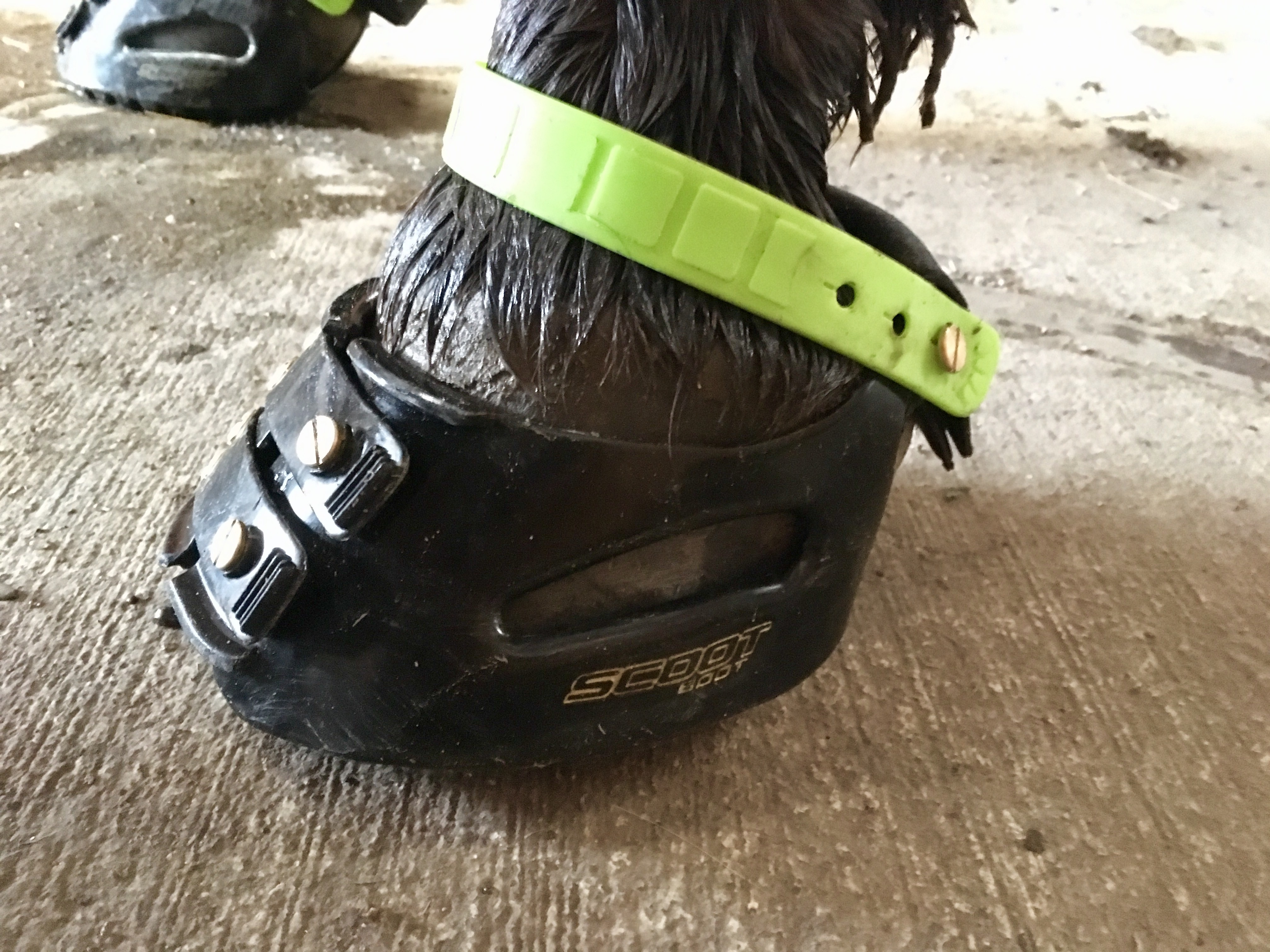
My size 3 scoot boots arrived last week and I believe they fit. They are just tight   enough to be snug but not to cause pressure or rubbing. 


I love the design. They are one piece with  the ‘anklet’ strap so there isn’t anything to come apart- no bottom shell to end up lost on the trail. No Velcro to collect dirt and mud or freeze.

They are the easiest I’ve used to put on and take off. 

I pull them off and drop them in a bucket of water while I untack and they seem to clean themselves – no scrubbing necessary. 

But do they stay on?

So far yes. 


I started with a couple mile waking ride with Susan and Heart and had no trouble.  

Susan and Wild Heart getting on trail and she’s doing great!

Then the stars finally aligned and we did a decent 13 mile ride with various footing, walk-trot-canter in intervals, crossed the Jackson River 3 times, encountered some deep sucking mud and 100% boot success: back and front. On her back feet I still have the renegades and they seem to be working. 

On the renegades I use a few layers of vet wrap to snug the boot in width just a touch and also give it a little grip that helps keep them from twisting in a canter or mud. –Thanks for the tip Lynne!

I heard the peanut gallery (Facebook hoof boot page) called my farrier, and taken matters (per his advice) into my own hands. I have been shortening her toes on all four encouraging her hoof shape to more round than elongated oval and it seems to be helping. 

I have no idea what he will say when he sees her feet 😳 But at the moment at least I can ride and my boots are working!


If the scoot boots continue to work on her fronts I’ll replace the back boots as well but they get expensive so we’re sticking with what we have at the moment as long as we don’t lose one!

This is the first riding since Khaleesi’s mystery lameness. The short walk was to be sure she was ok, then we did the 13 mile harder loop to test it. 


She had seemed fine by the weekend previous so if the ride lamed her again it would at least give me information to work with when my vet comes in February. 

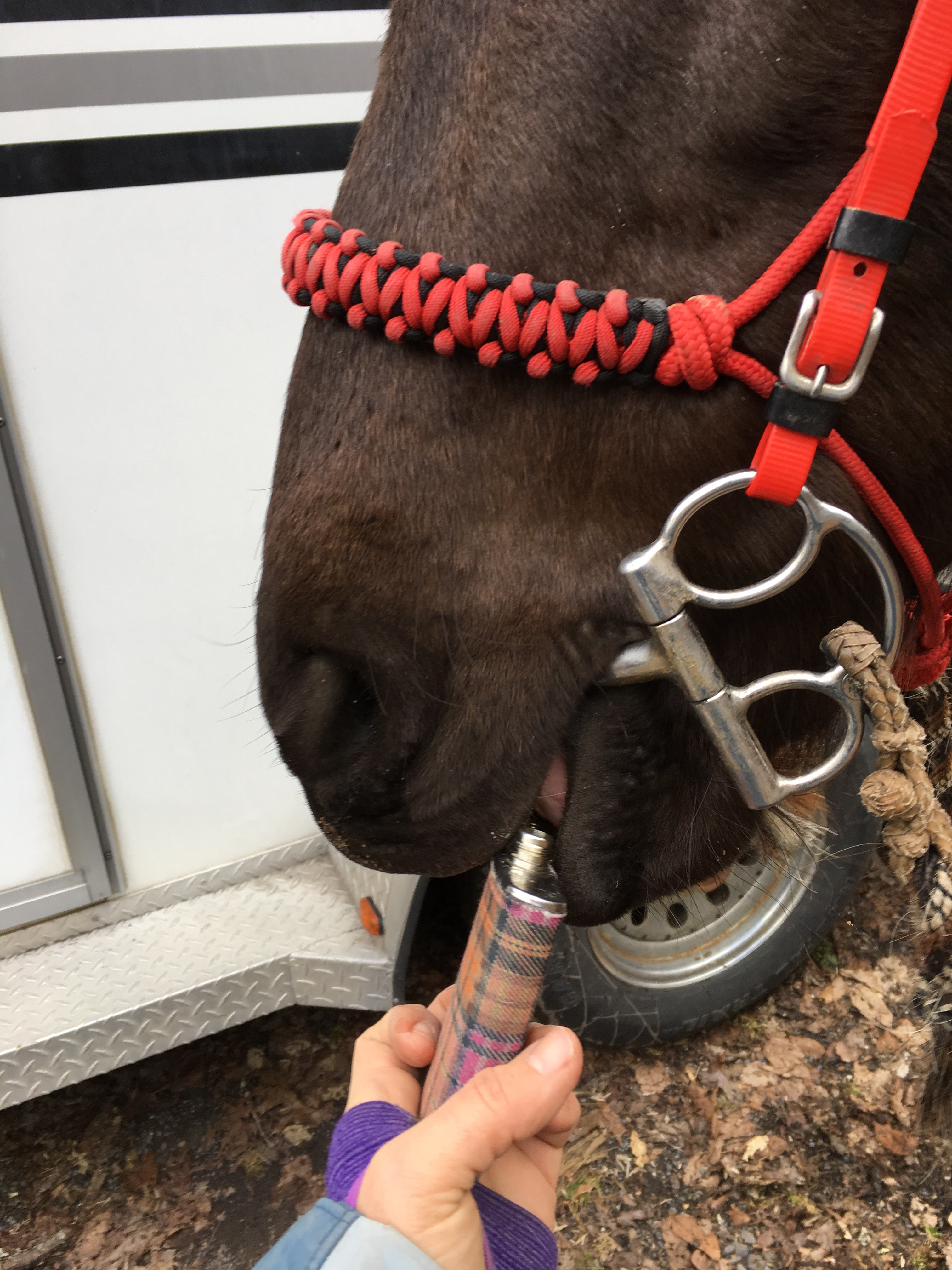
Winter is flask season and K always curious asked to try some of the cinnamon apple whiskey… she insists she’s old enough 🙂

I also am still playing around with my saddle- rough hair puzzle. On the walk ride I didn’t use a pad at all. The Phoenix Rising has a sheepskin bottom and CAN be ridden without a pad. Her back was smooth and even after the walk. 

On the 13 mile I used the pad Phoenix Rising sells to match the saddles that I’d bought way back with my first PR for Faygo.
Day after she was sound and her back was perfect. I didn’t get much sweat out of her (she’s still I incredibly fit- even with the lack of ‘hard’ work this fall and winter) but no rough hairs, no sensitivity after the ride or the next day. Her legs felt tight and cool and she came to the gate to greet me hello which tells me she was also happy. 


I plan to get up to 20 miles or so in the next couple weeks. Thankfully winter agrees with Faygo and for a summer ‘off’ and only getting out once a week she too is doing well and was a good training partner for now. 

We don’t have impressive speed but that is not a concern with K for now- I know she has it in her when she needs it. 

If the weather cooperates I will try to get a ride in with a horse that will inspire her to get her moving.