Saturday, October 21, 2017
The last post Against the odds I said I was looking forward to a miracle or a lesson. In fact I got both. The lessons can wait a day or so until I collect my thoughts but a shorter review on the big question of the hoof boots seemed like a great post to get up right away.
The boots worked 100%.
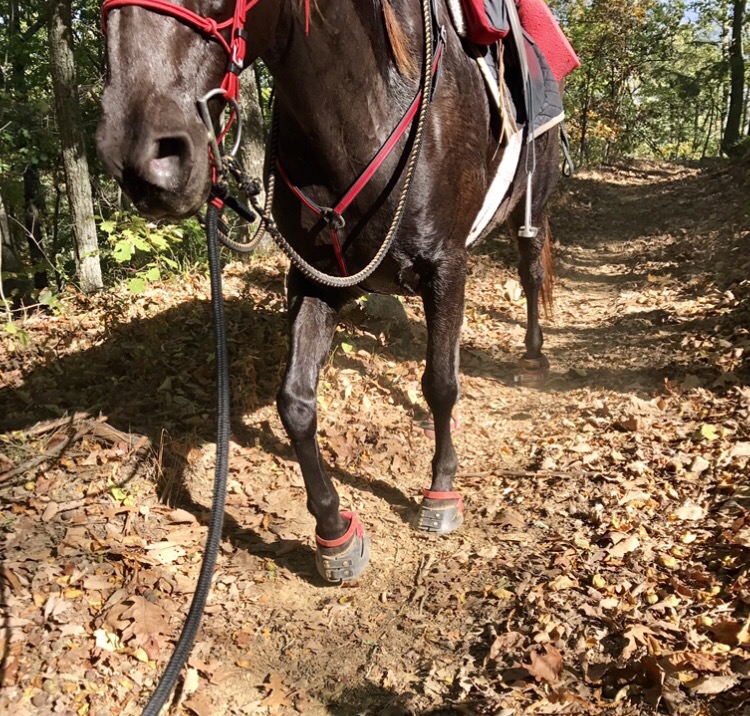
I am blown away actually. I didn’t lose one boot the entire 50 miles.

The were two separate incidents of a front twist – both times the left front. The first at mile 18 coming into the first vet check. It was a long gravel downhill then pavement. Not certain when it happened but it wasn’t twisted long. It was so close to the vet check I walked the rest of the way in once I got off to fix. The second around mile 42 on grass between some trotting and cantering. I felt something off and began to panic no no not lame now!!!! And looked down to see the boot had twisted. Hopped off to fix and back in business.
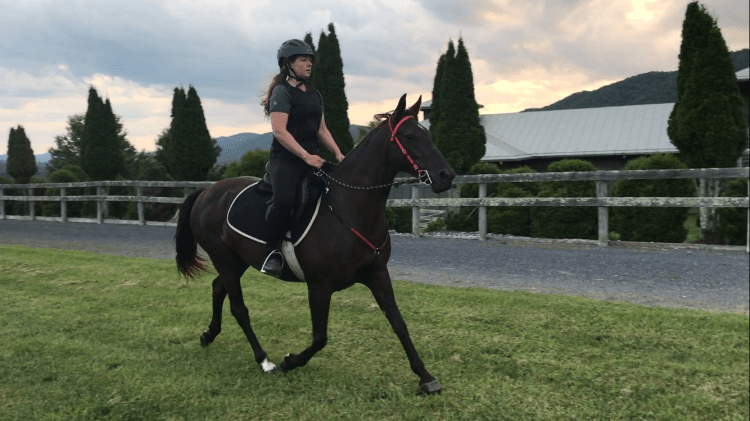
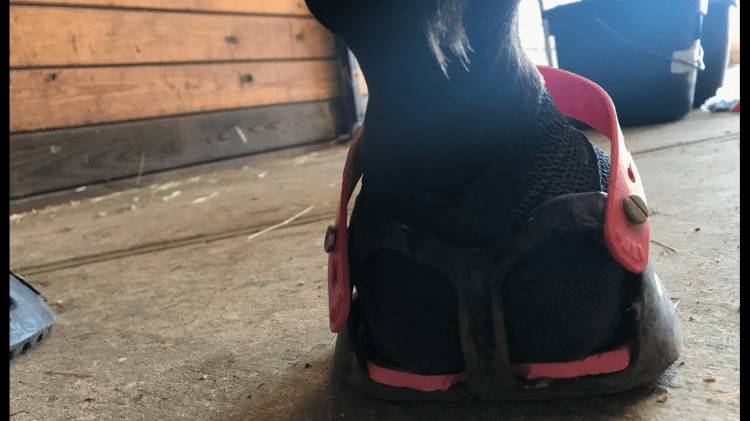
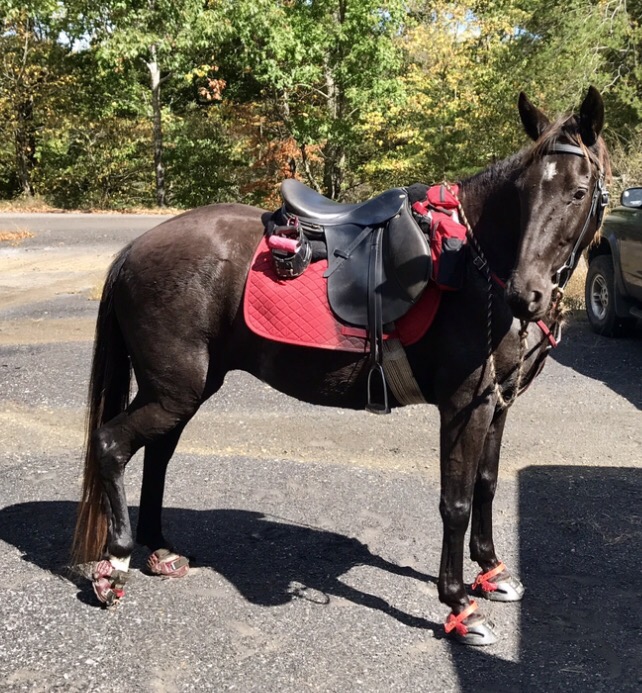
The fronts I used the Scoot Boots that have been working for us since spring.
The rear ended up a combination. I began with the Scoot Slims and they stayed on the entire first loop as well. When I vetted in there was very slight questionable gait issue. The vet held the card and suggested we come back in a few- this isn’t unusual for a something questionable in a check.
I pulled the boots and a couple of us checked her feet and legs- all looked fine. I trotted her barefoot for a ‘wandering’ vet who knows us — actually he’s the first vet I met at my very first endurance ride when I vetted in Faygo… and asked an informal opinion. He checked her over and thought she was sound.
Went back barefoot and trotted her again for a re-check and the vets decided it was a little ‘odd’ but not truly ‘off’.
I’m not afraid to bail on a ride if it’s best for my horse but my gut told me to keep going. I also thought: if something is wrong I need to see it to help fix it. Mystery potential lameness doesn’t give me much to work with. I’d either see her do fine or I’d make it worse to help me pinpoint what’s going wrong.
Also- her heart rate was stellar which told me that she wasn’t likely in pain. When I pulled at the OD her heart rate was running high and this was before she was lame (in fact she never went lame because I didn’t continue with a pulled shoe and a boot rub from an incorrect pad).
This didn’t seem like that. No heat, no elevated heart rate, she was eating and drinking like mad… to me she seemed fine.
However: as the original vet first thought it was a hind that was off I decided to try going back to the renegades on the hind just to be safe. I had three loops so could rotate between hind boots with whatever worked best
The Scoot Slims didn’t cause an issue that I’m aware of- I just haven’t had the time with them to really put them to the test. They are too new as they just released the slims weeks ago.
As the next vet check Khaleesi looked sound without question so I opted to stick with the renegades on hind for the third loop.

I never had a hind boot issue on trail in either boot style. Not with twisting and never coming off- we navigated some rough terrain and went in every speed and gait through the almost 12 hours.
So I took on some pretty long odds and I feel got the miracle I’d hoped for.
Quick disclaimer– I finished very last on Friday with only about 5 minutes to spare. This tells you the speeds I was traveling overall were very conservative comparatively. Early in the day she was ‘flying’ (for us) through the rocks like I’ve never seen- but that changed over the day as the rocky trail continued there is fatigue and also some sensitivity that can build up. Still she moved through the rocks better than she has in the past without question.
I don’t push her anymore on rough trail. I learned my lesson once when I just about destroyed her feet in my ignorance at Iron Mountain 2016. I would rather not finish than put her there again. I only ask that she keep moving and she does.
A a few things I’ve learned in my boot journey:
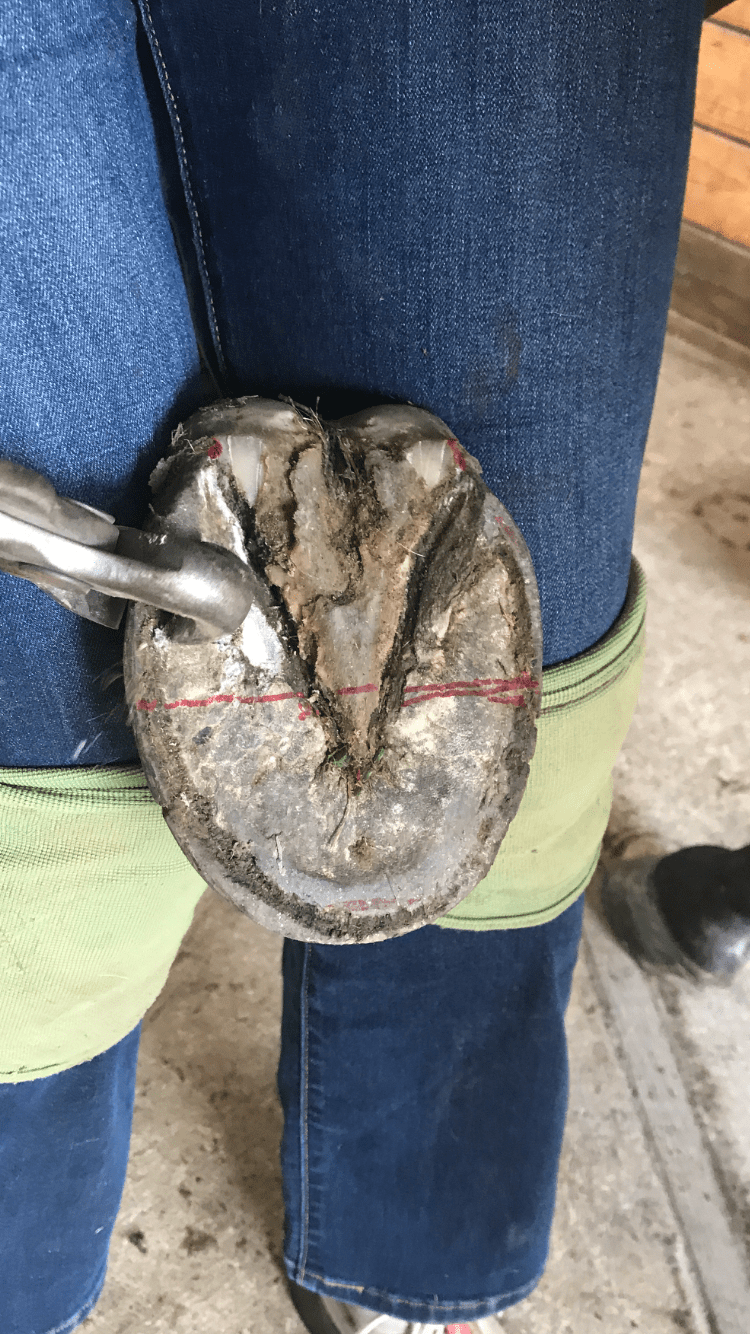
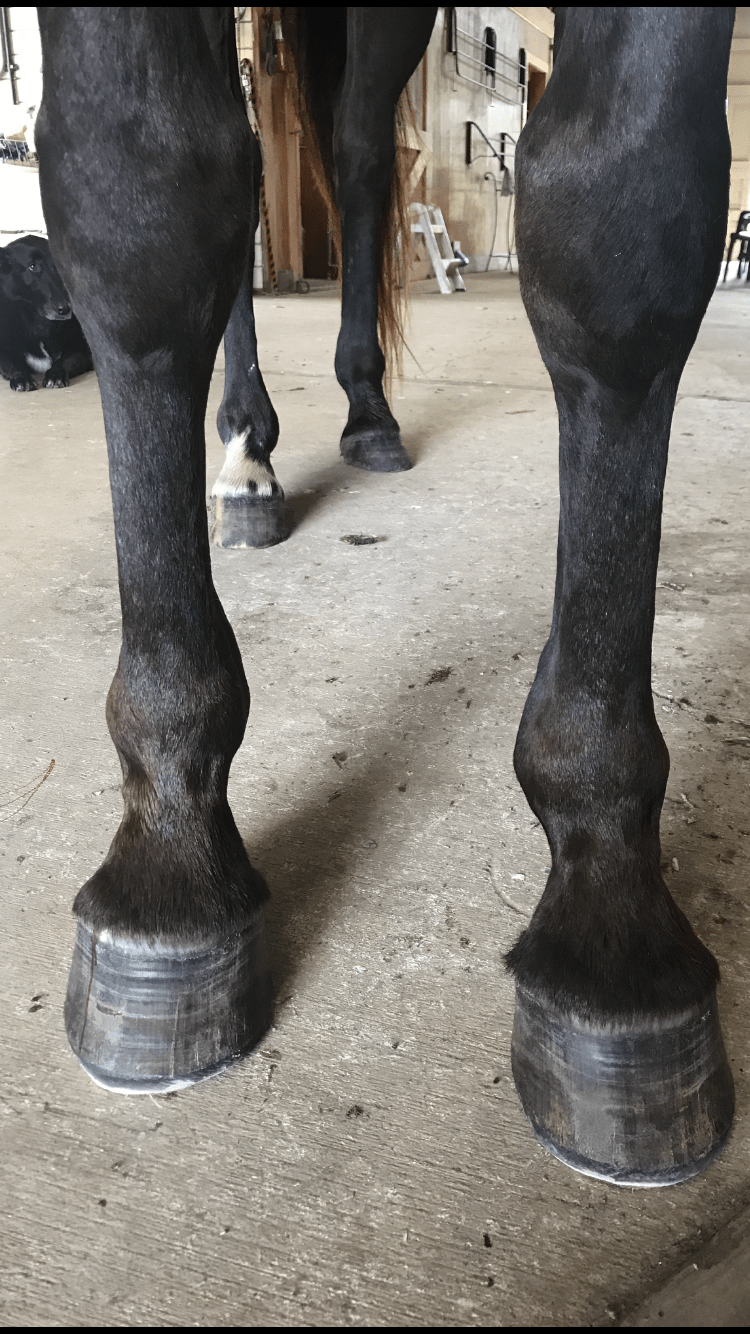
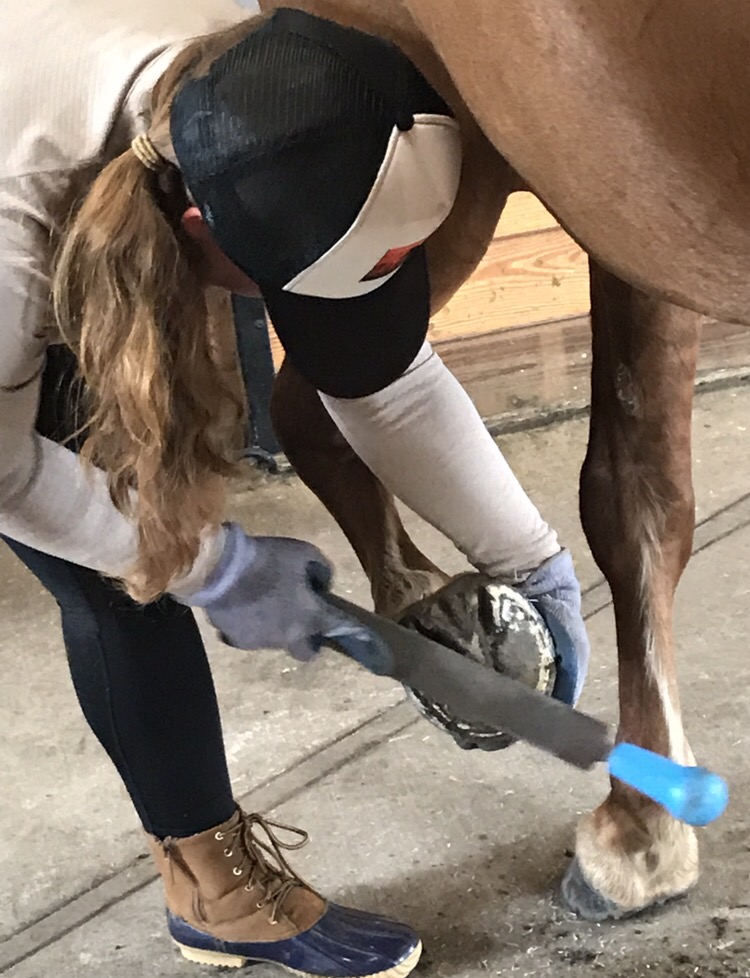
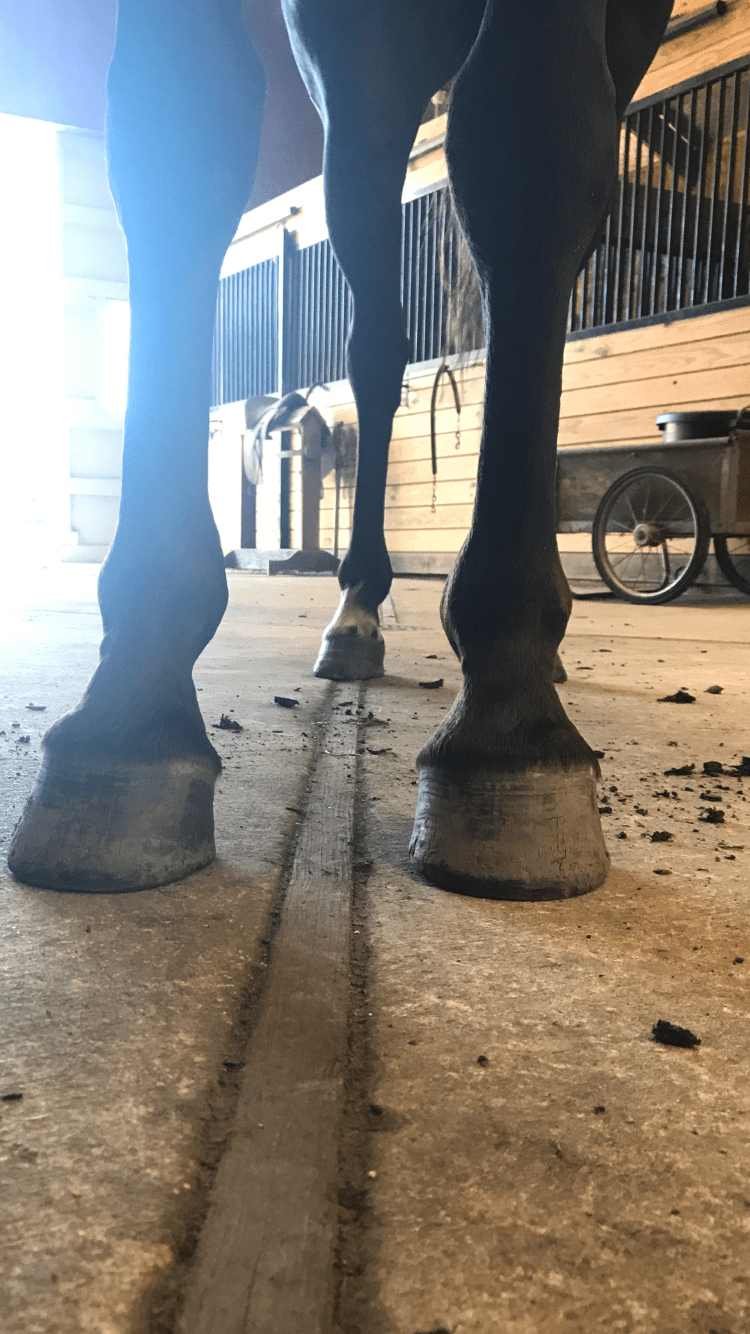
- Trim is vital, key, and necessary. Without a good barefoot trim you cannot keep boots on reliably. People used to say this to me and I did not really understand. For some reason farriers are leaving a lot of toe on horses. I’m not saying they’re wrong but I am saying I don’t really understand it now that I’ve learned what I know now. When you look at a balanced foot having a midpoint and then half the foot in front and half behind it should be somewhat clear where the toe is supposed to be. I had x-rays in the winter after spending some time filing her toes back myself over weeks – and the x ray showed still a LOT of toe left out in front. Boots are not simple with a good trim but they are about impossible in varied gaits/terrain without one. If someone with an experienced eye tells you your heels are too high and your toes are too long they are probably right if you want to use boots.
- Nutrition is imperative. I’m not saying go for every hoof supplement (I am in a less is more approach) but try to feed smart. Grass is great but it can also be the enemy if it’s too rich and creating sub-clinical hoof issues. In my case we also had a hind gut absorption issue that I think probiotics helped fix. It’s very individual and also takes some trial and error. Shocks to the system can screw up healthy hoof growth from vaccines to chemical wormers to periods where the gras is too rich. Just be aware.
- Find the boots whose design you like and start there. I’ve seen that not every horse works every boot style. Trying them out can be expensive and takes time. If one doesn’t work consider trying another. I think it’s worth it.
- Your horse might need some time to figure out how to move in them. If you have a ride where a canter or some hard terrain pulls them off- consider a few more rides in them to see if your horse might get better at moving better in the boots.
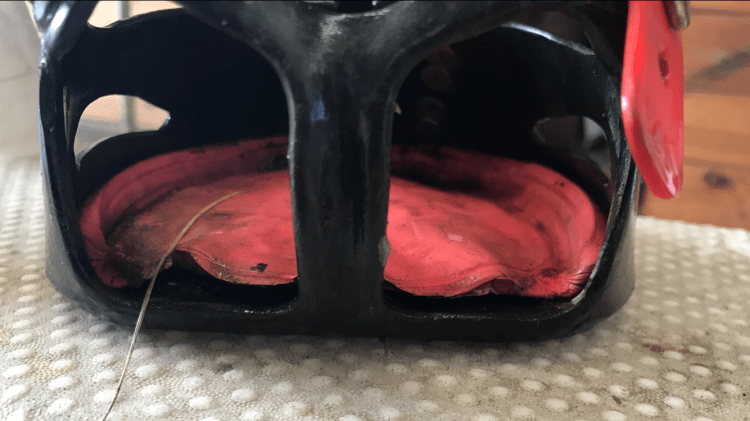
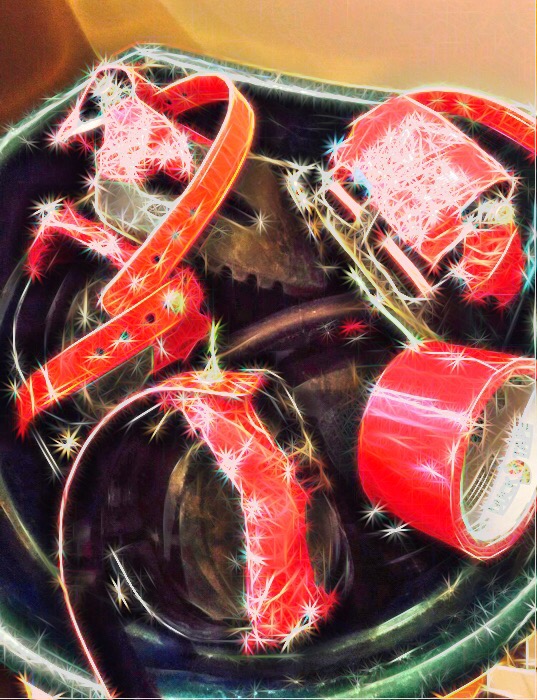
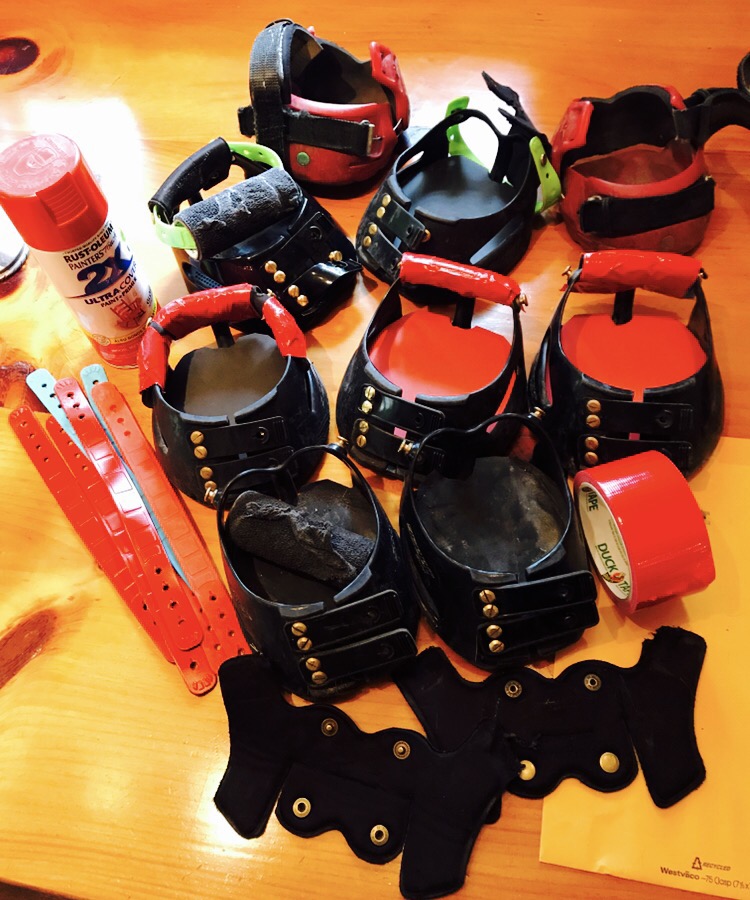
- Modifications are awesome. They can take a good thing and tweak it so it works even better for your needs. Small things like a pad, layer of vet wrap or athletic tape on the hoof, custom fitting with adhere in a too wide boot or in my case the duct tape collar on the boot can be just the touch to go from mostly good to true success. Check in with groups who are hoof boot savvy for creative ideas.
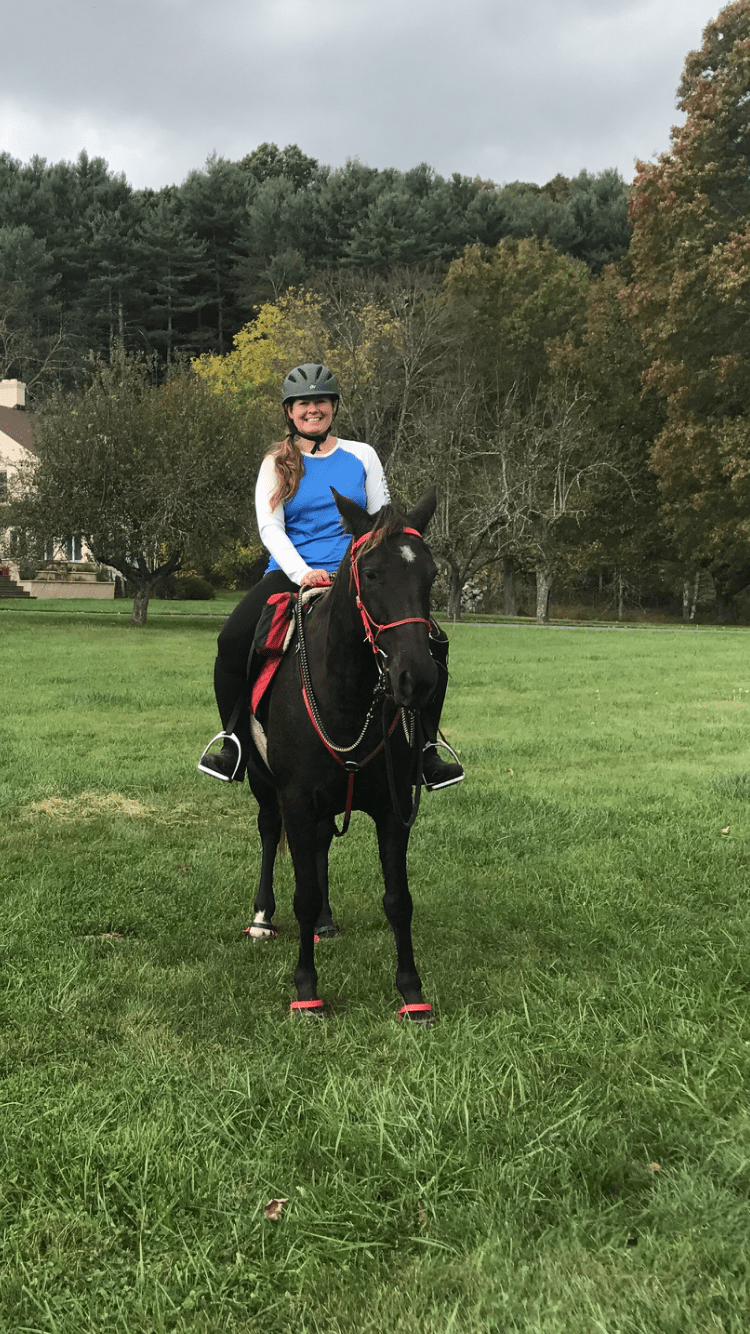
- If you ride on trail do SOMETHING to make the boots HIGHLY visible. Spray paint, bright duct tape, anything. This makes it very quick to see if the boots are on while riding and if one comes off you’d be shocked at how sometimes you KNOW it’s RIGHT AROUND HERE- but you sill can’t find that black boot in the leaves. The process to get started is already costly- it’s more expensive when you lose them!
- When you find what works get a spare or two. Always carry at least one along – laws of life say if you’re prepared you won’t need it. 😁
Making boots work takes patience and some ‘longsuffering’. I had given up on the process already once before when it just wasn’t working for me and was frustrating enough to just ask for metal shoes to make life easier.
 <<<
<<<
only reason I really dedicated myself to this was from necessity. I knew my horse's feet were not doing well in metal shoes and they continued to decline. This horse has been great for letting me know what doesn't work. She does not suffer quietly. That's a good thing- it may take me some time to sort out what makes her comfortable, but I'd rather learn that than get by and have her just fill in and work through it only to have her break down later on.
Also though initially it can be costly to try and lose boots, in the end it's getting less expensive for me: I now maintain my own trimming every couple of weeks doing a little here and there instead of waiting a whole cycle then making big changes to the hoof. My knowledge will save me money on trim visits and only have my trim mentor come out at certain intervals to check how they look. Also metal shoes and pads can get expensive too. If my boots hold up and I don't lose them they are more cost effective.
This is the long range view and have a decade plus horse for me. And though some have been smart to find a horse bred or naturally suited to this sport, I've got a genetic mutant that I think can be a solid endurance horse and will eventually get through a 100 safe and sane but she needs some extra attention to detail that others may not. I love everything about her but she's not tearing up the rock mountain trails on rock crusher hooves. Yet…..
I am thrilled (and a little surprised) that my boots are becoming truly viable especially for training miles and even in competition.
I love my Scoot Boots and though I may play around with renegades on the hind at the moment as I sort out if she needs a little more heel protection on the hinds on the worst of terrain- I'm still going with the Scoots to see if they end up doing the job just as well as they are a simpler boot and I love the no Velcro and no wires.
I cannot see the future yet and it's possible I may end up using shoes on some of the hardest rides then pulling them right after.
I saw a few metal shoes out there on the trail discarded on the rocky passes. One thing I really appreciate is that I was able to make a change on this ride without a farrier. It's much easier to throw on a replacement boot than get a new shoe at a vet check or especially on trail. I don't think metal on 3 and a boot on 1 is going to end up good for the horse over long miles so I appreciate the ability to have control with a strap on boot.
If that system can get working well it's actually a big advantage.
Thanks Scoot Boots! It's really changed the options for me and my mare. The blog they put out has very interesting information about going and staying barefoot along with hoof health insights. It was a blog entry by a thoroughbred owner who’d been told her horse would never be sound barefoot that truly inspired me to try something very different and I love how great her feet are looking now!



 Third and hopefully the most important: my front Scoot Boots have a solid training track record.
 My rear boots are unfortunately still in ‘beta’ testing mode and this is because the slims took so long to release I haven’t had the time I need to play with options over miles.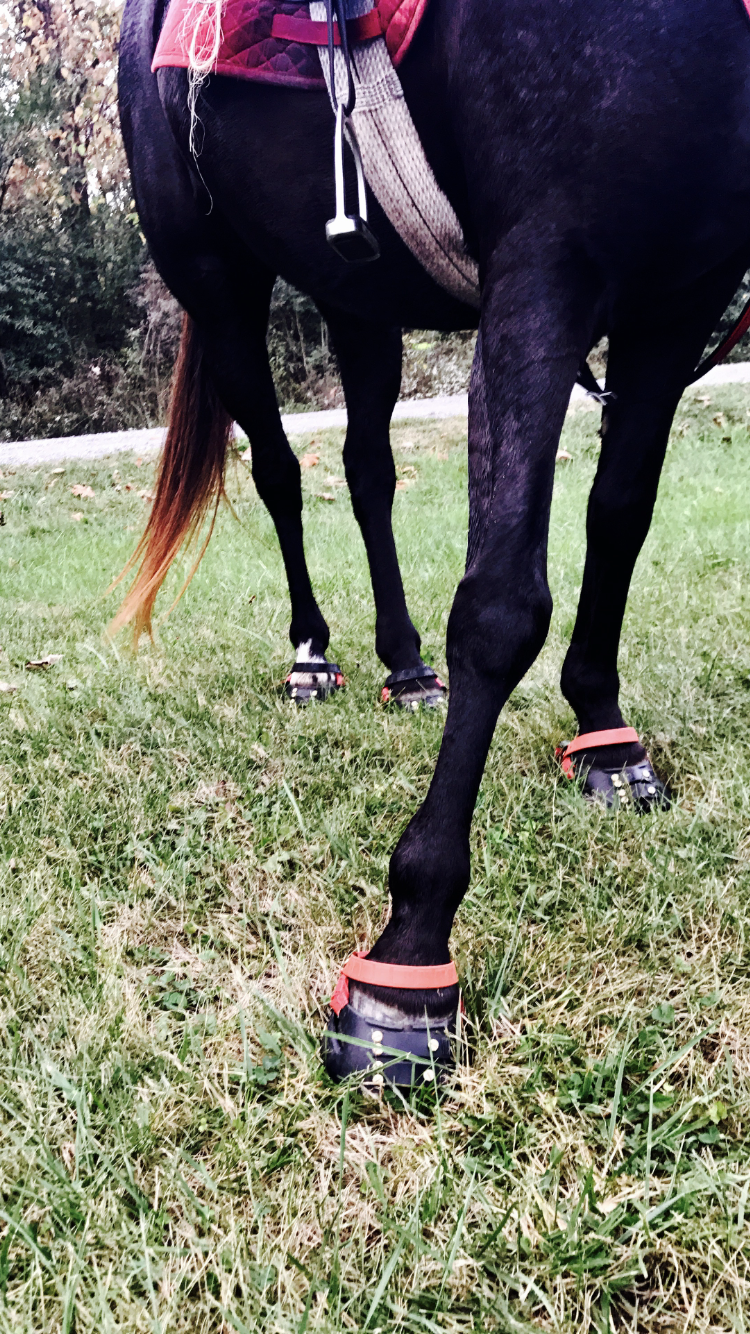
 The other part of the plan is to ride alone. I may need to stop and deal with a boot and I don’t want to feel pressure of holding anyone up as I do what I need to do- conversely there may be places I can make up time that may be different from needs other horses have (this has happened to me on past rides where K was super slow on rocky places but had plenty in the tank to canter on the good footing- but the team we’d hooked up with ‘didn’t canter’ … it ended up ok but made me nervous with the clock...)
 <
<




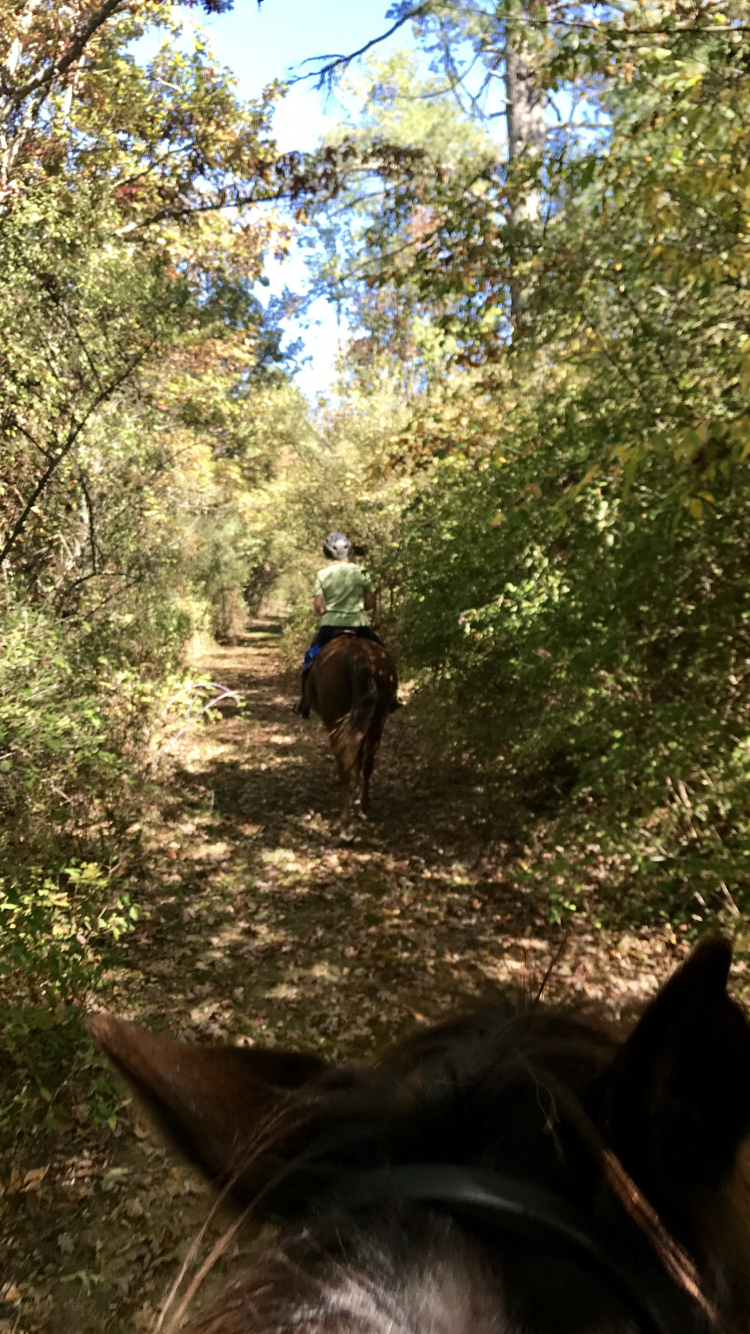


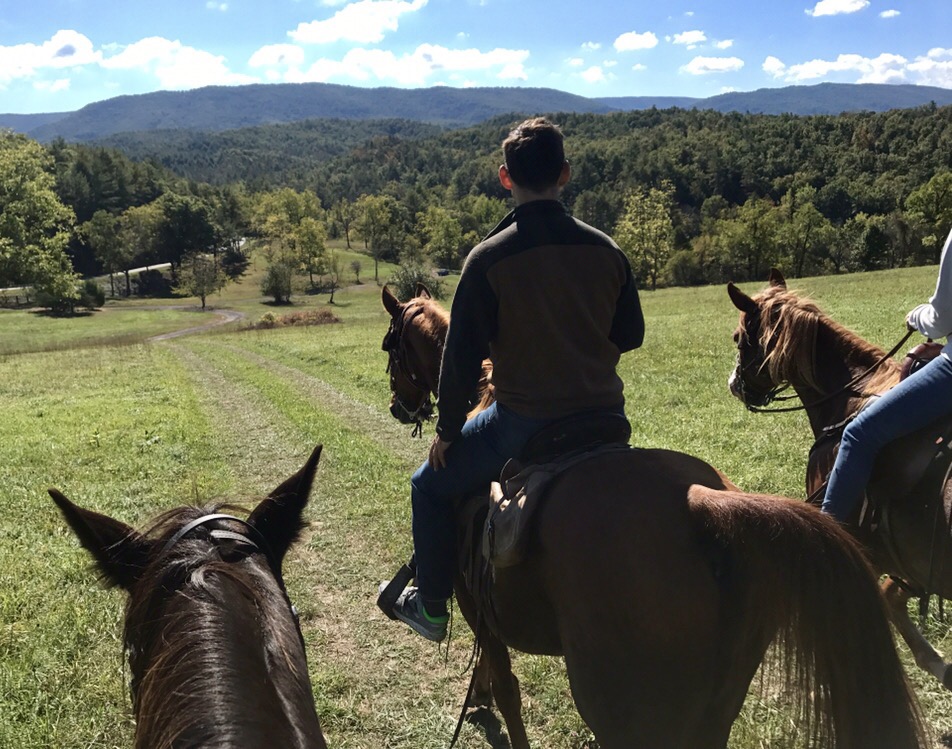
 When the footing and circumstances allowed (when she was checking in with me and not assuming take off) I occasionally did encourage her to run – and as fast as she could get her legs to go! Try as she might she is just not as fast as the old gelding but we had fun. It’s good to push the limits once in a while physically.
 It develops patience, character and faith.
 It is exciting to see the light. However I don’t want to lose sight of the lesson that it’s during that uncomfortable waiting period where you grow. It’s where you stay the course or bail out.
 Noah was told to build a boat and wait for rain (which had never happened previously). It was 120 years in between and I’m sure everyone thought he was a looney toon. He didn’t even know what rain was. That would be uncomfortable.
 To the initial point- my equine example is basically trivial. My horse rebuilding from the inside out and missing some riding days as I worry if it’ll take two years for her feet to grow in right isn’t even close to significant in the world as human trafficking or war refugees. But going through the process has been a reminder.
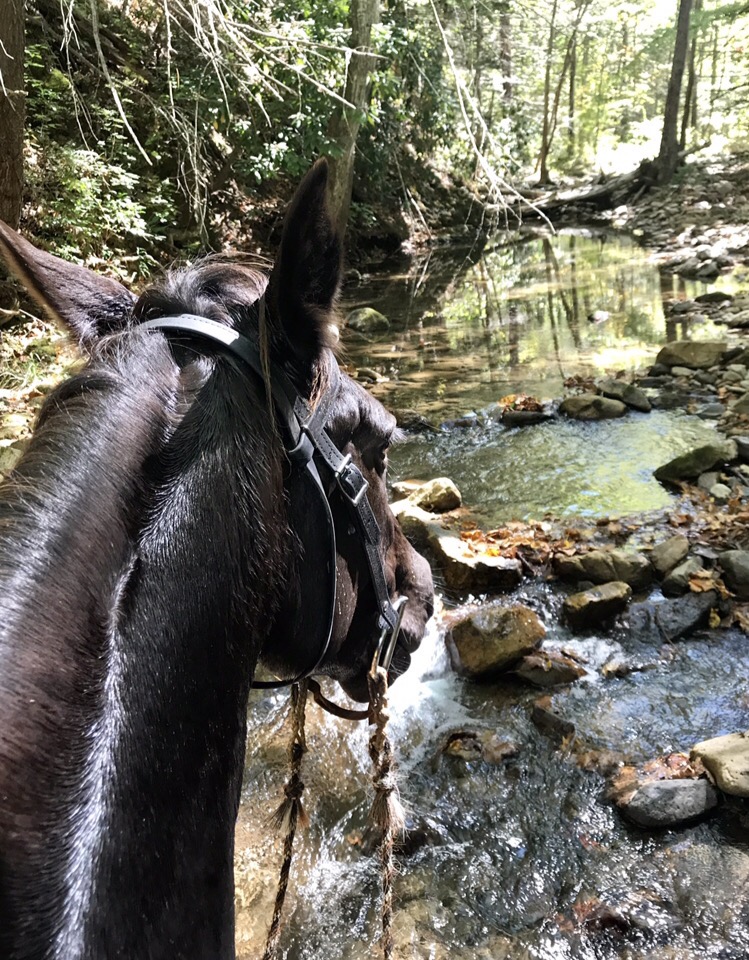 Because don’t get me wrong- it’s all about the horses, but at the end of the day I think we’ll find that it really wasn’t about the horses at all.
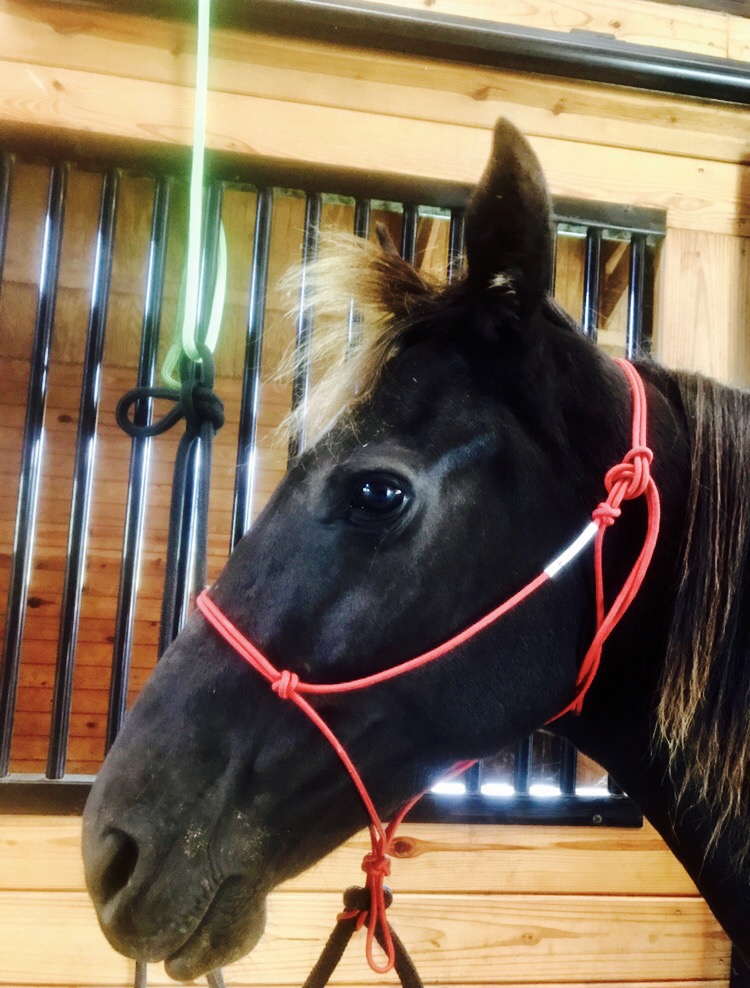
 If they get thin (no evidence this is a concern anytime soon) they’ll get more coolstance which adds fats and protein.
 She is growing more (faster) and healthier hoof this year and the soles are really starting to look good! Her hoof tends to grow out instead of underneath her (conical) genetically which (if I over simplify) stretches the sole out instead of holding natural concavity.
 The two things I’m working on the most with her front feet are constantly keeping the toe from getting long (every cm creates hundreds of pounds of additional pressure on the leg’s suspensory system) and helping remove any dead sole underneath that may create sole pressure without taking too much that she needs to develop healthy hard sole.
 She hasn’t been completely sound if I ride her barefoot (like in the grass in the yard) but she’s also not lame. She’s fine… then she’s not fine… then she’s ok then she’s not quite ok… sometimes I’m certain I’ve turned into a lameness hypochondriac and am creating issues that don’t exist!
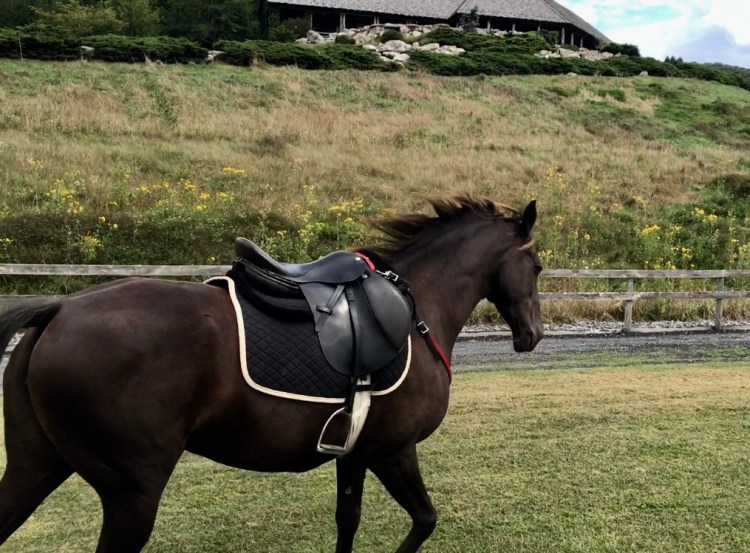
 The scoot boots are doing a terrific job and I’ve added easycare pads and modified the back and rear sides per a cool video I saw recently on Facebook.
 I didn’t have rubbing issues but this can only help- especially as I begin to take them over longer distances when the rubbing could present even if my shorter rides haven’t created issues.
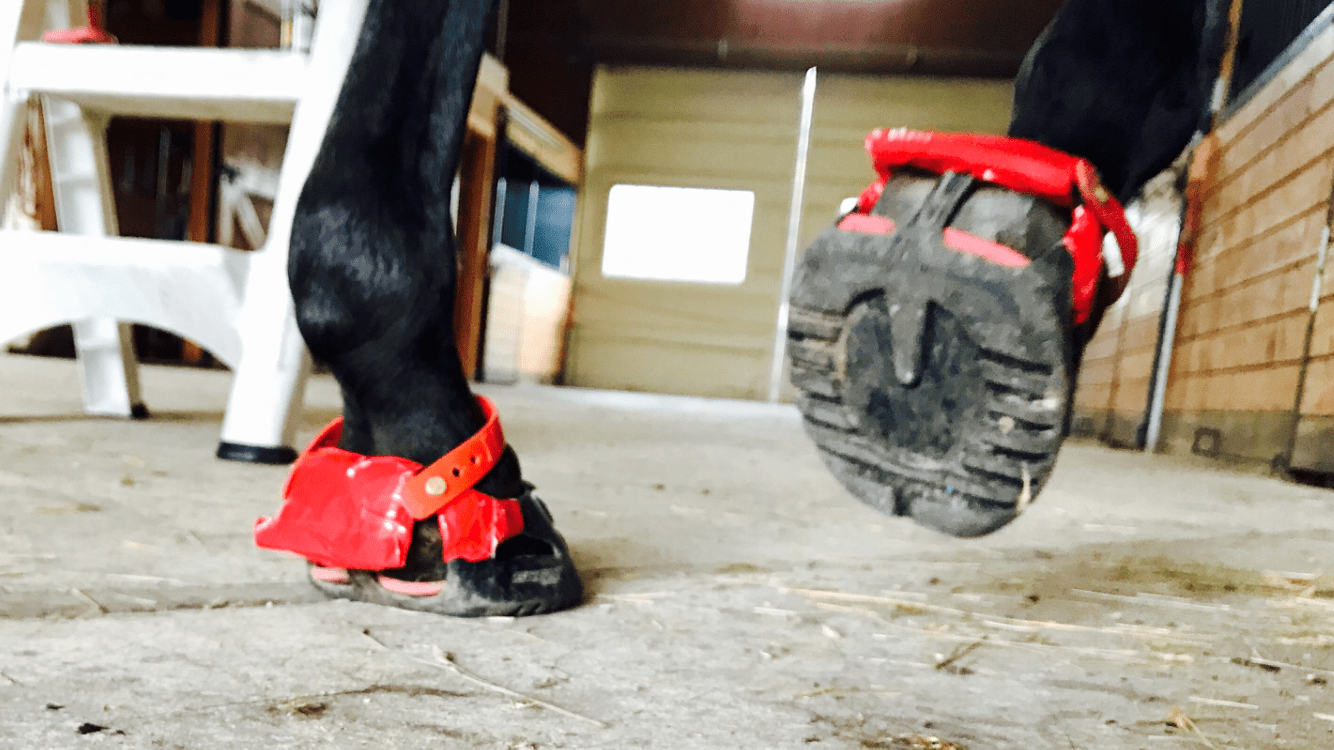 Anyone using scoots who wants to check out the modified design can see it here:
  I decided to get out and ride through whatever it was that seemed to be nagging at me. Stop overthinking. Throw on those boots and pads and get back on the trails.
 She’s half past 7, I’ve now helped sort out the tack and health/feet issues that were functional but not ideal in the past. I increased her fitness and got my riding sorted out.
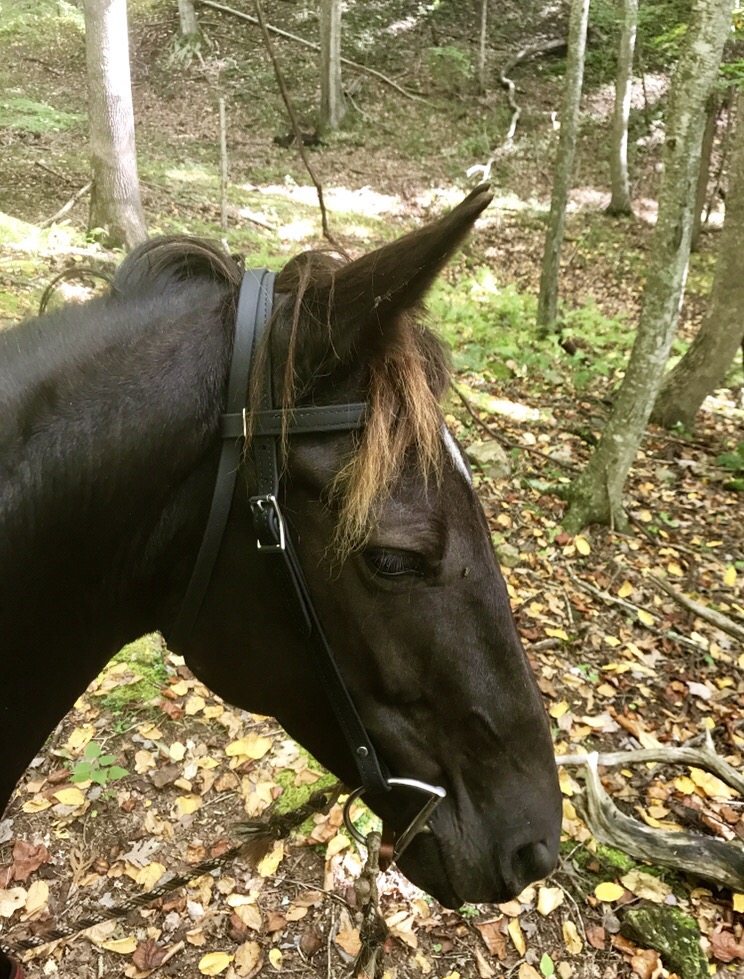 I’m thrilled for her to have an extra gear to use especially heading toward a 100 mile ride at some point. I’ll take every advantage I can get and having more ways for her to use her body is just that.